Why Sensory Play Is Important for Toddlers

Understanding Sensory Play and Its Role in Early Development
Sensory play, which engages a toddler’s senses through activities involving touch, sight, smell, sound, and sometimes taste, is widely recognized as an essential component of early childhood development. During the formative years, sensory experiences contribute significantly to the brain's growth, laying a foundation for more complex cognitive and motor skills.
Neurological Benefits of Sensory Stimulation
By interacting with various textures, colors, and materials, toddlers activate multiple regions of their brain simultaneously. This multisensory engagement promotes neural connections that are crucial for processing information efficiently. Without sufficient sensory input, these neural pathways might not develop optimally, potentially leading to delays in speech, coordination, or social interaction.
Enhancement of Motor Skills
Gross and fine motor skills, often developed through manipulating objects during sensory play, benefit from tactile feedback and hand-eye coordination practices. For instance, activities such as playing with water, sand, or dough require controlled movements, thereby strengthening muscle control and dexterity.
Cognitive Growth Through Exploration
When toddlers explore different sensory materials, they begin categorizing and making sense of their environment. This form of active learning encourages problem-solving and decision-making abilities. Moreover, sensory play enhances attention span and curiosity, both vital for future academic success.
Emotional and Social Implications
Sensory activities also serve as outlets for emotional expression and regulation. For example, repetitive motions or soothing textures can calm a distressed child, allowing them to manage feelings like anxiety or frustration more effectively. Additionally, when children engage in sensory play together, they develop social skills such as sharing, empathy, and communication.
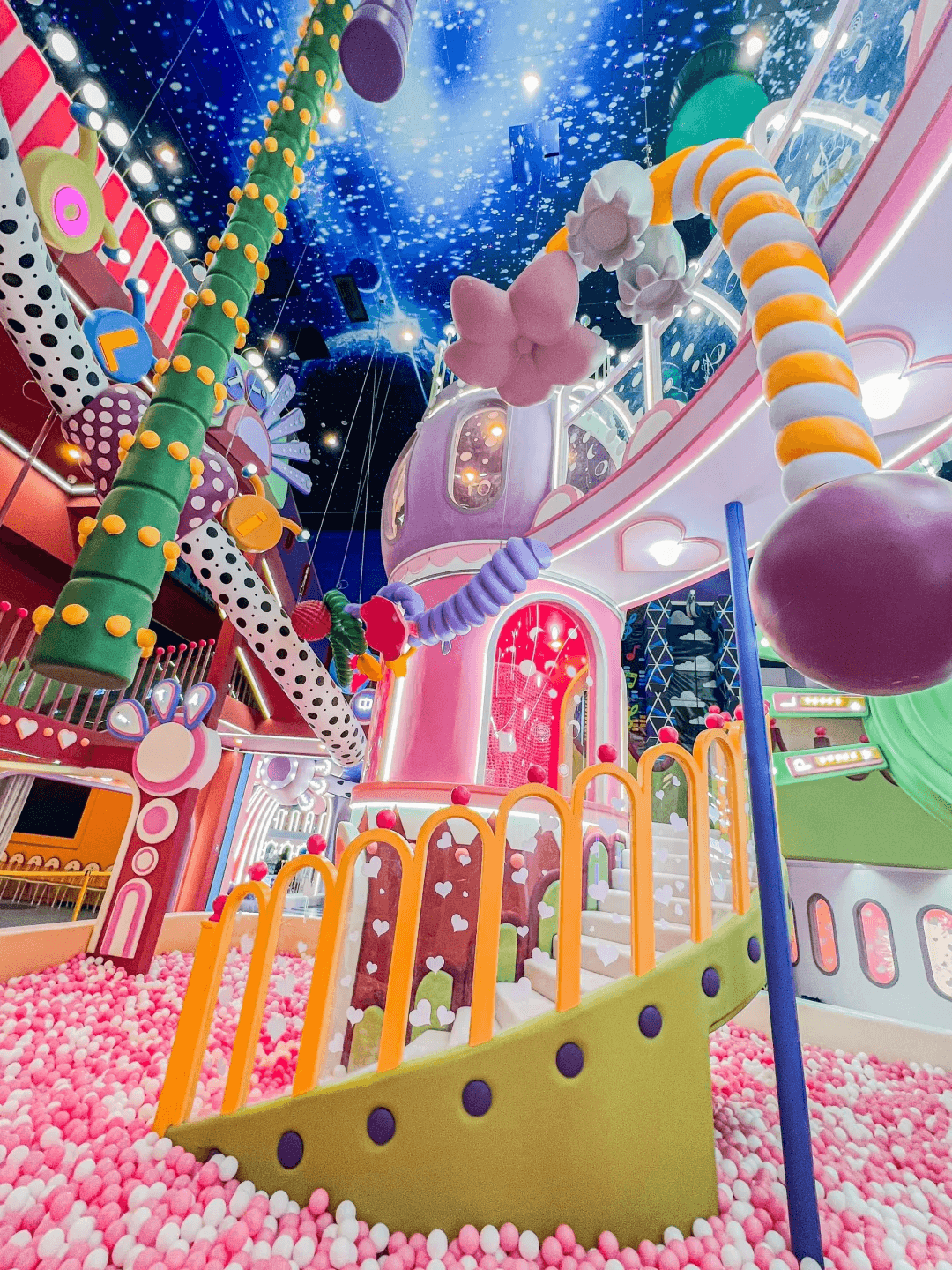
The Role of Sensory Play in Language Development
Interacting with diverse sensory experiences provides toddlers with vocabulary related to textures, temperatures, shapes, and more. Describing these sensations with caregivers or peers facilitates language acquisition and expressive communication. Brands like Coolplay have pioneered educational toys designed to stimulate sensory exploration while supporting language milestones.
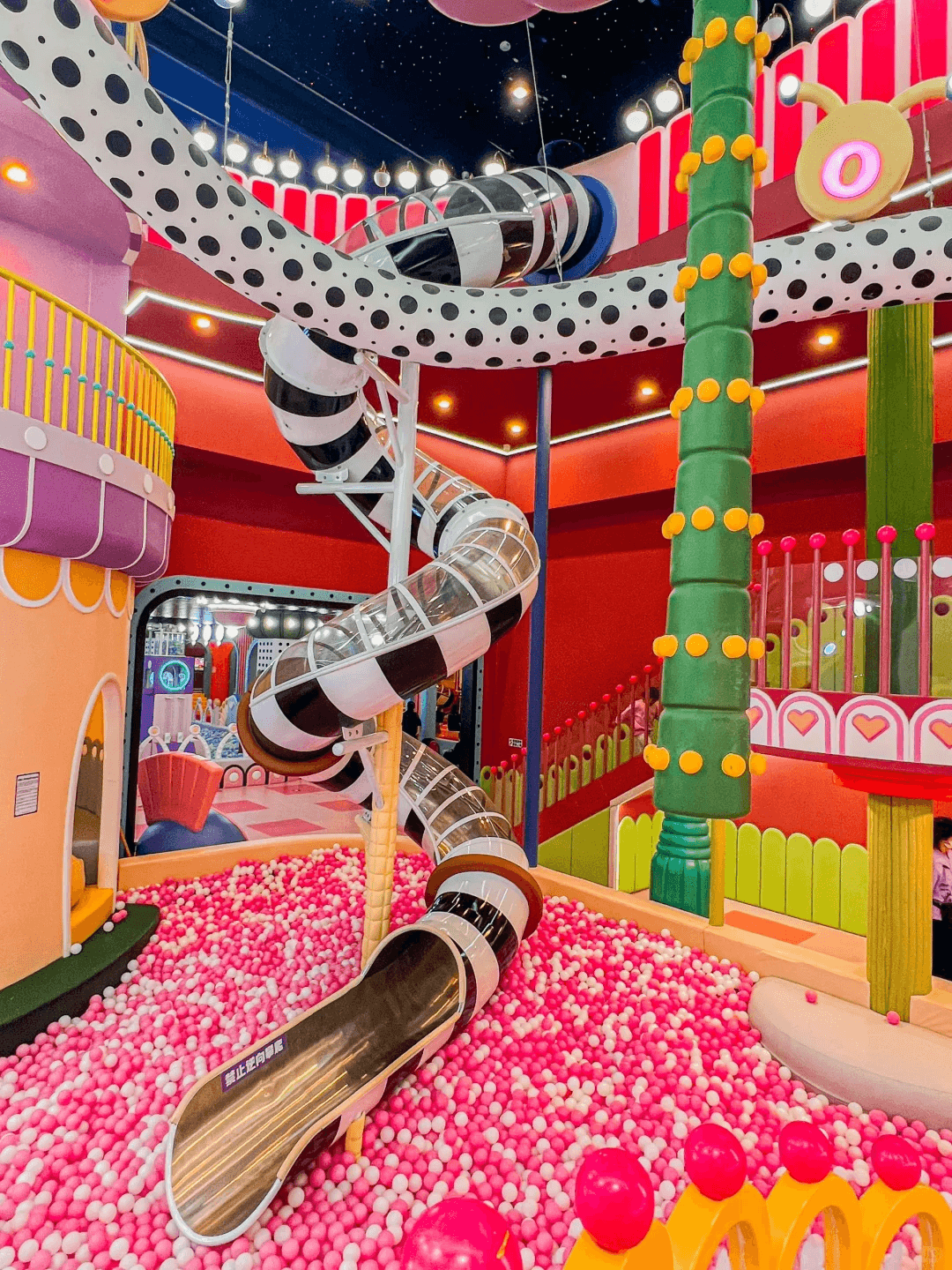
Incorporating Sensory Play into Daily Routines
Integrating sensory play doesn’t require elaborate setups; simple household items often suffice. Water tables, textured balls, finger paints, and musical instruments can all be incorporated to provide varied sensory experiences. The key lies in supervision and ensuring materials are safe and age-appropriate, fostering an environment where natural curiosity leads learning.
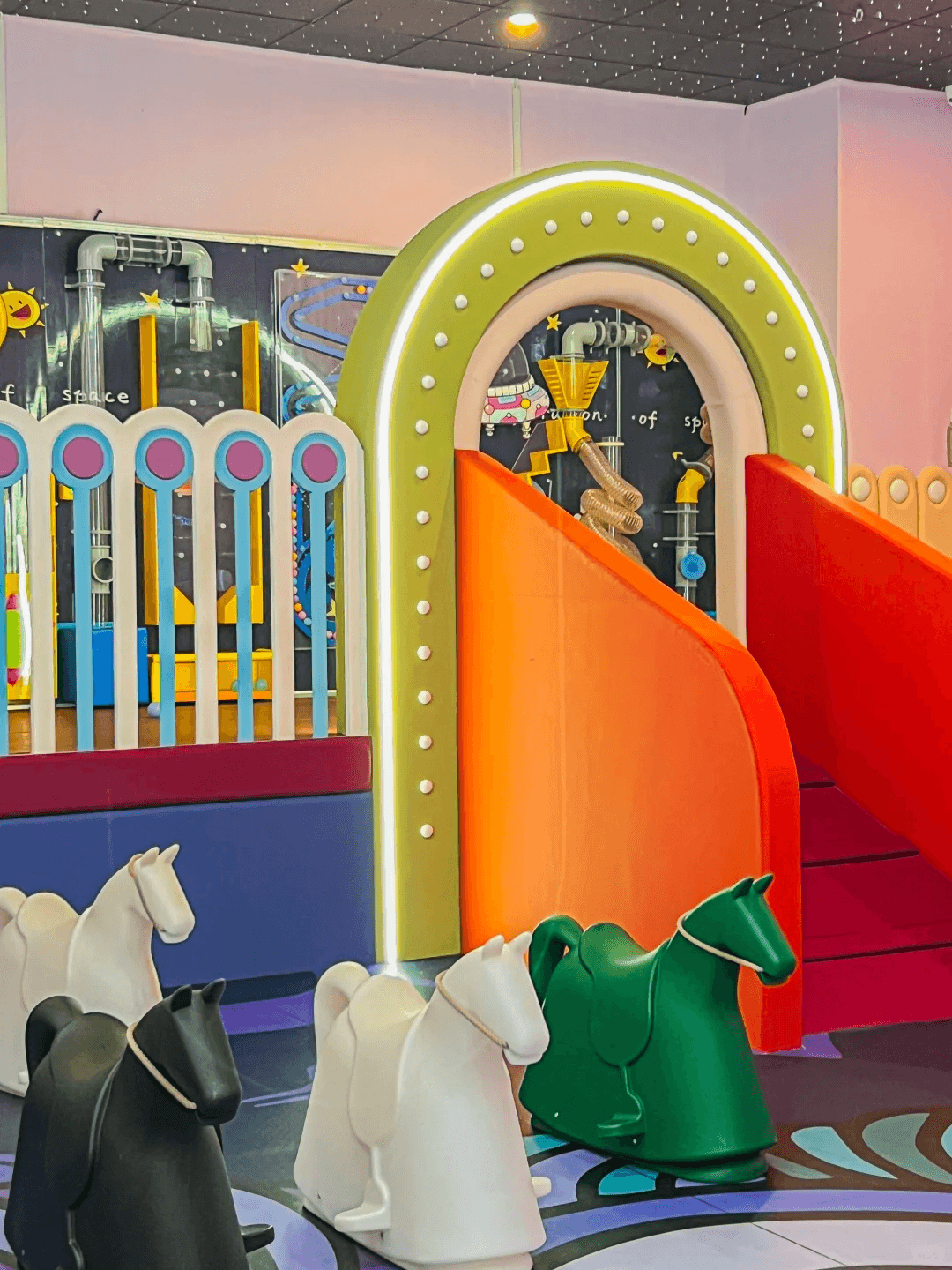
Balancing Structured and Unstructured Sensory Activities
While structured activities guided by adults can target specific goals, unstructured play allows toddlers to experiment freely, enhancing creativity and independence. A balance between both kinds nurtures holistic development, giving toddlers opportunities to master skills at their own pace.
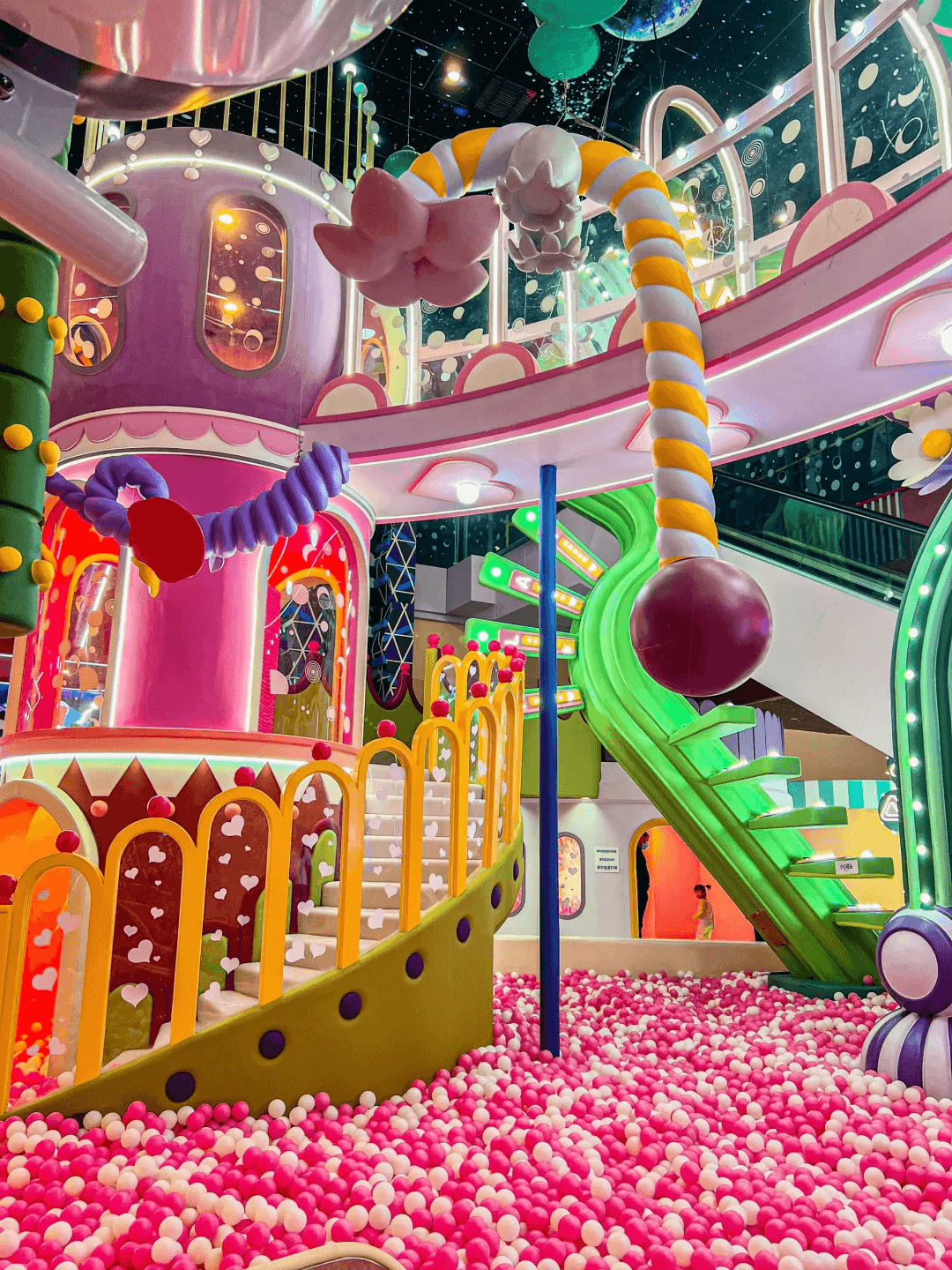
Considerations for Children with Sensory Processing Challenges
It is important to note that some toddlers exhibit heightened sensitivity or under-responsiveness to sensory stimuli. In such cases, careful adaptation of play activities becomes necessary. Professionals recommend using controlled sensory inputs and gradually increasing complexity to accommodate individual thresholds without overwhelming the child.
Supporting Families Through Sensory-Friendly Products
Recognizing varying sensory needs, companies like Coolplay have introduced products specifically engineered for children with sensory processing differences, offering textures, weights, and sounds that soothe rather than overstimulate. These innovations contribute meaningfully to inclusive developmental support.