
Why FECs Are Growing Fast Worldwide
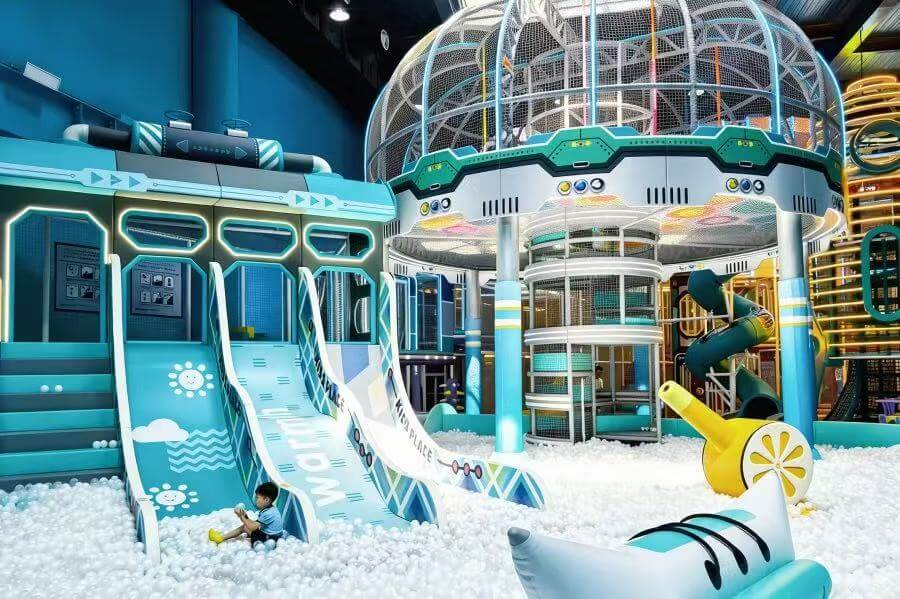
The Rising Popularity of Family Entertainment Centers
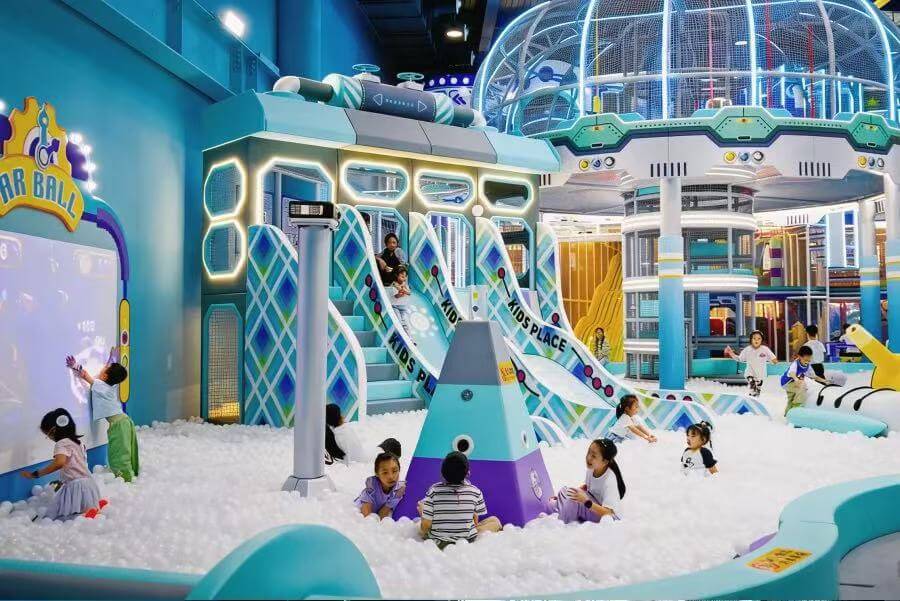
Family Entertainment Centers, or FECs, have been gaining momentum worldwide, transforming the landscape of leisure and recreation. From sprawling indoor amusement parks to compact arcade zones, these venues are redefining how families spend quality time together. But what exactly fuels this rapid growth?
Diversification of Attractions: Beyond Traditional Amusements
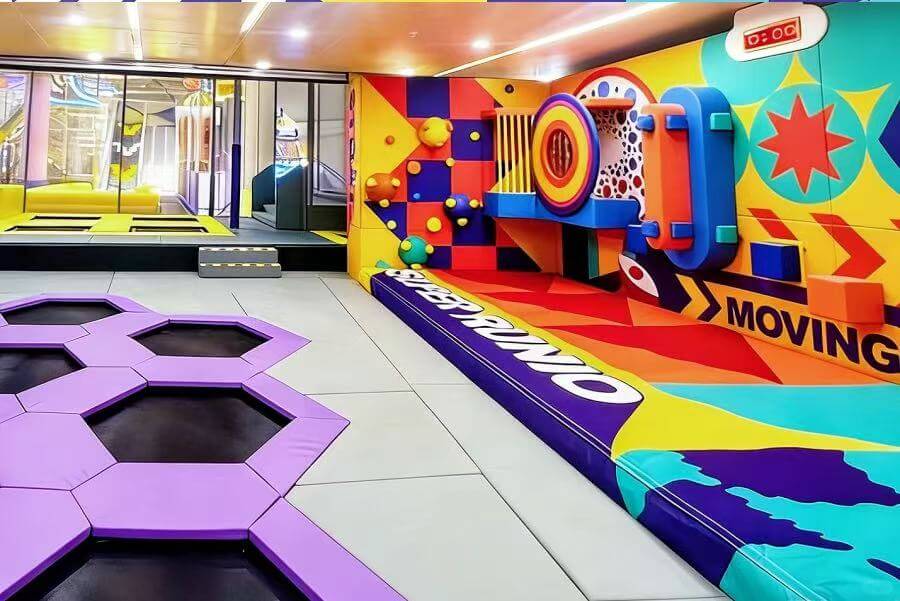
One key driver is the broadening scope of attractions within FECs. Gone are the days when these centers were just about a few arcade machines and a snack bar. Today's FECs integrate cutting-edge technology with classic fun—virtual reality zones, laser tag arenas, bowling alleys, immersive 4D cinemas, and even trampoline parks. This variety appeals to multiple age groups simultaneously, creating a one-stop destination for entertainment.
For example, brands like Coolplay have been at the forefront, seamlessly blending interactive gaming experiences with family-friendly environments. Their approach emphasizes engagement across generations, making their venues popular choices in diverse markets.
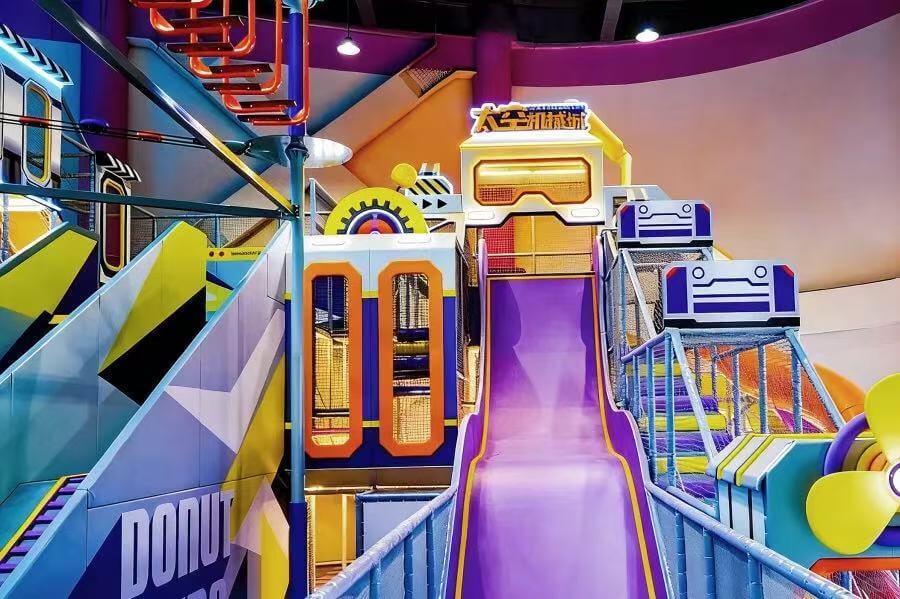
Changing Consumer Behavior and Lifestyle Trends
Modern consumers value experiences over material possessions. The desire for shared memories and social interactions has surged, especially as digital technologies often isolate individuals physically. FECs tap into this trend perfectly by offering spaces where families can disconnect from screens and reconnect with each other.
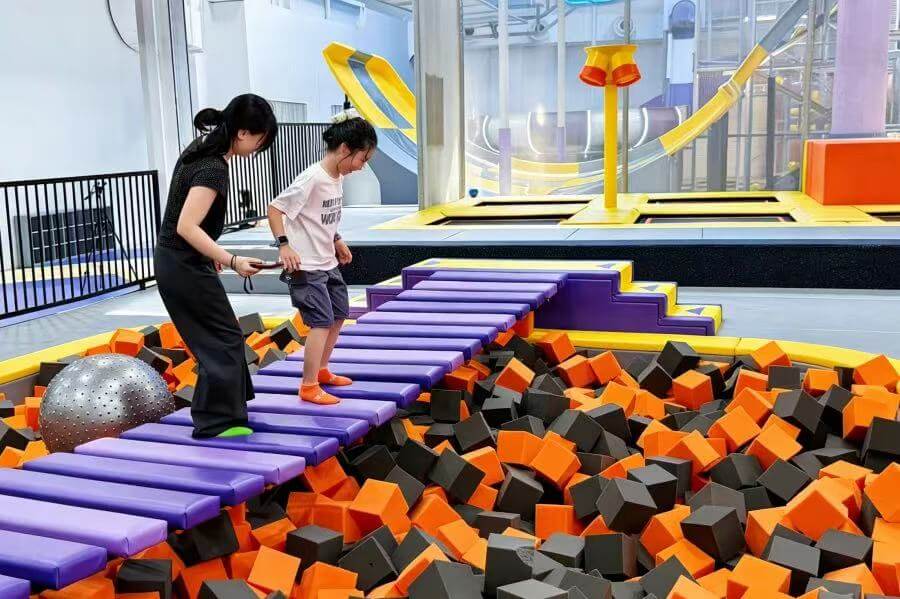
Moreover, urbanization and hectic lifestyles have limited outdoor recreational options for many families. FECs provide a controlled, safe environment that caters to convenience and accessibility, essential factors for busy parents and guardians. It's no surprise that these centers are thriving in densely populated cities around the globe.
Economic Accessibility and Strategic Pricing Models
Price sensitivity often determines entertainment choices. Fortunately, many FECs adopt tiered pricing models, including hourly rates, pay-per-play, or all-inclusive passes. This flexibility opens doors for broader demographics. You don't have to break the bank for a few hours of fun; instead, you get options tailored to your budget.
Especially in emerging economies, affordable FECs serve as attractive weekend destinations, boosting local tourism and community engagement. It's a win-win situation—visitors enjoy great value, while operators benefit from steady foot traffic and repeat customers.

Technological Innovations Driving Engagement
Technology plays a pivotal role in elevating the FEC experience. Integration of augmented reality (AR), gamification, and interactive digital leaderboards keeps visitors coming back. These elements not only enhance play but also foster friendly competition and social bonding.
Apart from entertainment tech, operational tools such as CRM systems and data analytics allow operators to optimize marketing efforts and personalize guest experiences. Coolplay’s use of real-time feedback mechanisms and dynamic content updates exemplifies how embracing technology translates into sustained growth.
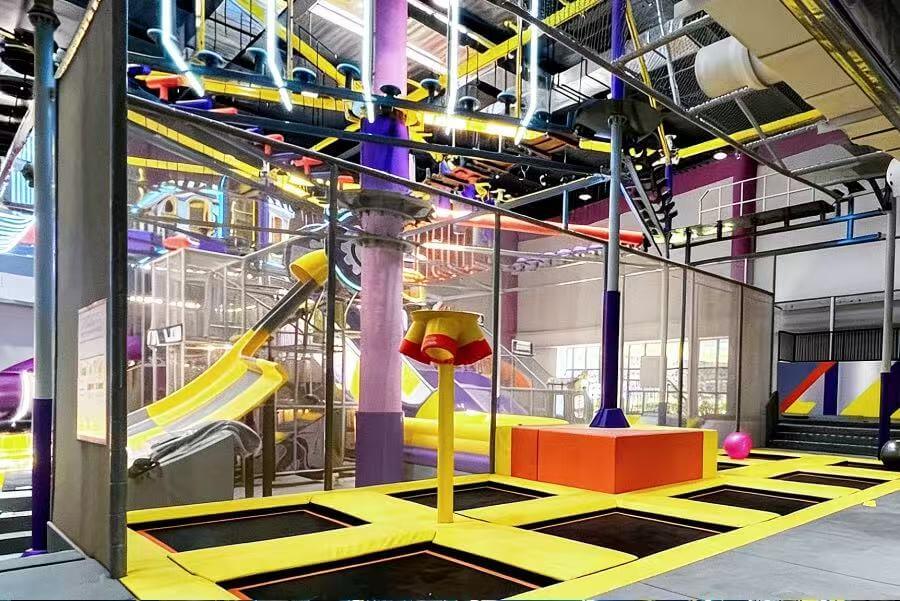
Adapting to Health and Safety Concerns
In light of recent global health events, many entertainment venues faced unprecedented challenges. However, FECs quickly adapted by implementing rigorous hygiene protocols, contactless payment systems, and crowd management strategies. These measures restored consumer confidence and ensured safety without compromising fun.
Additionally, air filtration advancements and spatial reconfigurations now make these centers more comfortable than ever, attracting cautious families eager to return to indoor activities.
Strategic Location and Community Integration
Location matters greatly in the success of FECs. Operators tend to situate centers near shopping malls, residential complexes, or major transport hubs to maximize visibility and accessibility. This strategic placement encourages spontaneous visits and prolonged stays.
Furthermore, many FECs actively engage with their local communities through partnerships, themed events, and educational programming. Such initiatives build brand loyalty and transform venues into cherished neighborhood staples rather than mere commercial establishments.
Looking Ahead: Challenges and Opportunities
Despite their robust expansion, FECs face challenges, including high upfront capital costs and the need for constant innovation to keep pace with evolving consumer tastes. Also, competition from home-based entertainment technologies remains fierce.
Yet, the industry’s ability to reinvent itself—evident in how brands like Coolplay continually upgrade their offerings—signals a promising future. As social dynamics evolve and demand for experiential leisure grows, FECs are poised to become integral pillars of global entertainment ecosystems.