
Sensory Wall Panels for Indoor Learning Centers
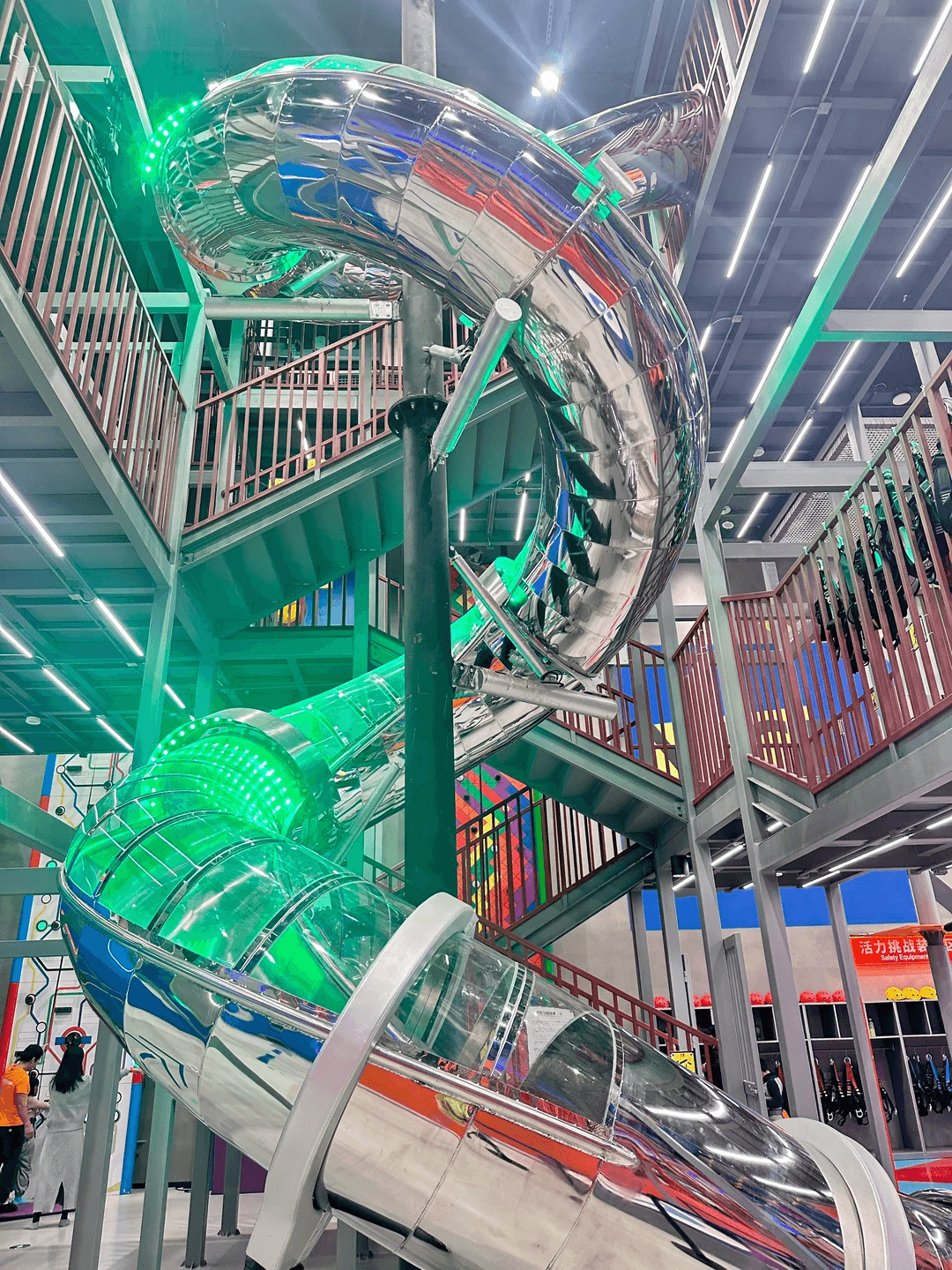
Why Sensory Wall Panels Matter in Indoor Learning Centers
Walk into any indoor learning center and you’ll notice that kids aren’t just sitting still — they’re exploring, touching, and interacting. This is no accident. Sensory wall panels play a crucial role here. They engage multiple senses simultaneously, helping kids build cognitive skills and fine motor coordination.
Unlike traditional toys scattered around, these panels are fixed installations that encourage continuous interaction without the usual clutter. Plus, their presence subtly invites children to explore textures, sounds, and visuals all at once—an immersive experience that standard walls can’t offer.
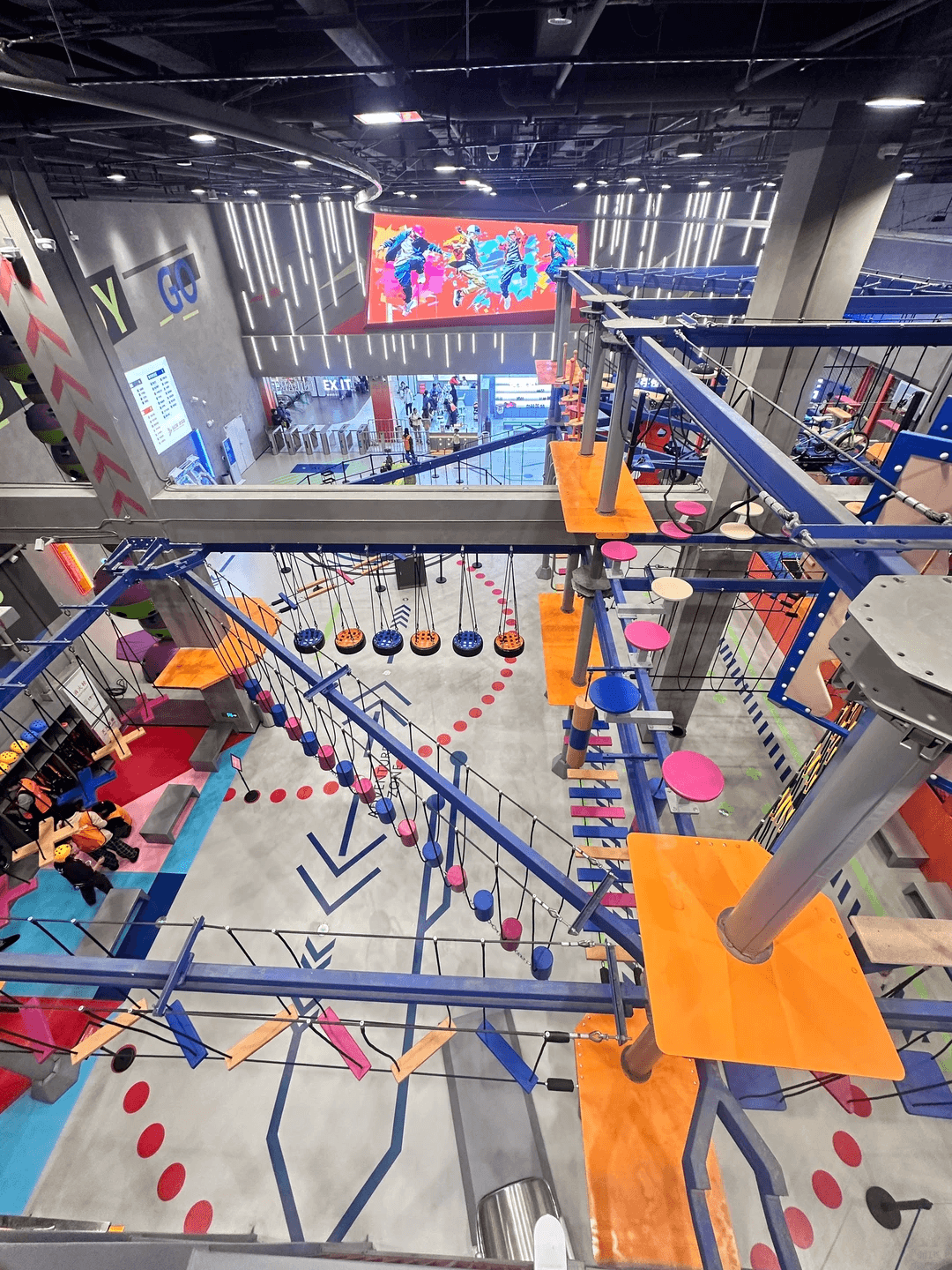
The Science Behind Sensory Engagement
Sensory stimulation isn’t just fun—it changes how brains develop. When children touch different fabrics or manipulate knobs and switches on sensory panels, their neural pathways get strengthened. This makes learning stickier, if you will. The enhanced neural connectivity leads to better problem-solving and social skills.
It's fascinating how something as simple as a textured panel or movable elements on a wall can influence brain chemistry, encouraging dopamine release and promoting concentration. That’s why educators and designers often push for these installations in early childhood programs.
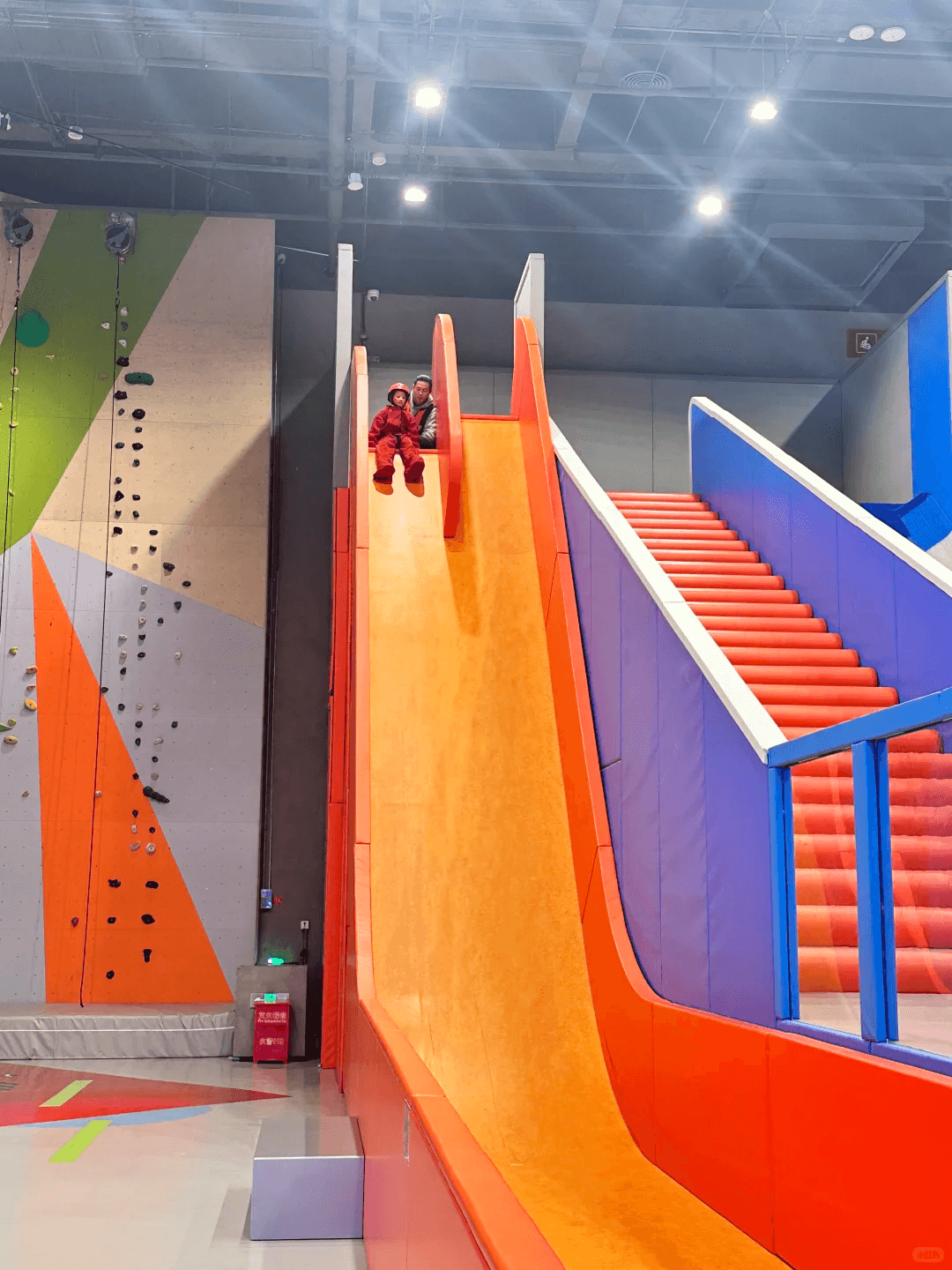
Design Considerations for Effective Sensory Panels
- Material choice: Durability is king. These panels must withstand rough handling yet remain safe—non-toxic paints, smooth finishes, and impact-resistant frames are a must.
- Variety of stimuli: Incorporating tactile, auditory, visual, and even olfactory elements can make a big difference. Think textured surfaces with embedded sound devices or colorful patterns that change under different lights.
- Accessibility: Panels should be reachable for kids of all ages and abilities. Adjustable heights or angled designs help include everyone.
Innovative Features On The Rise
Now, this is where things get interesting. Emerging sensory wall panels sometimes integrate tech components—LED lights, motion sensors, or even apps that interact with the physical elements. These hybrid models add layers of engagement previously unseen in basic setups.
For example, Coolplay recently introduced panels with modular sections, allowing centers to customize based on developmental goals. You can swap out parts depending on what skills need focus, making your space both dynamic and future-proof.
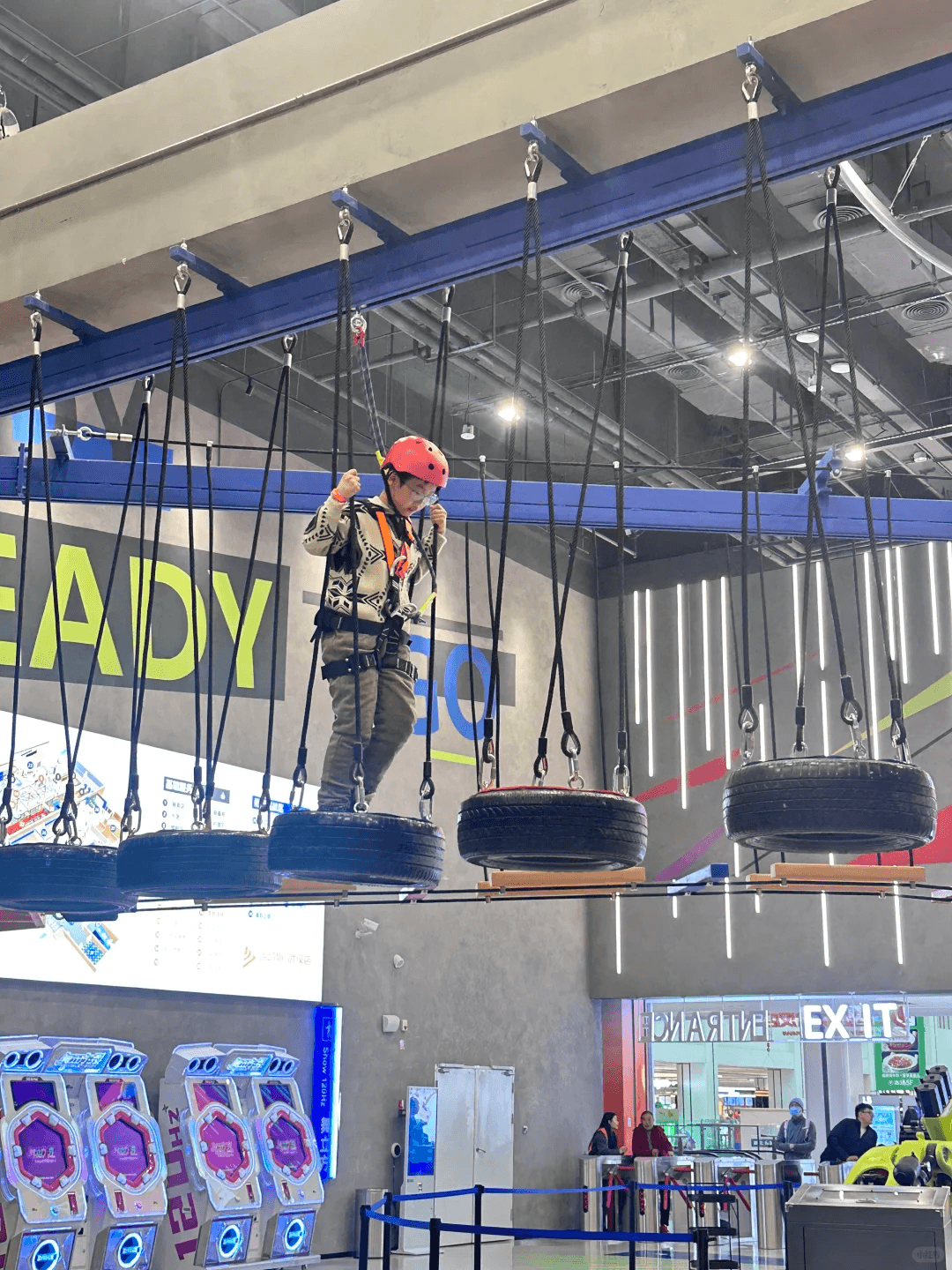
Installation Insights: What to Keep in Mind
Installing sensory wall panels might seem straightforward but skipping some steps can mess up the whole experience. First off, ensure the mounting surface is sturdy enough. Loose panels are not only annoying but also unsafe.
Next, think about the flow of traffic and sight lines. Position the panels where natural light enhances visual aspects and where kids can gather without crowding. Also, consider noise levels; some auditory features might overwhelm if placed near each other.
Maintenance and Longevity Tips
No one wants to replace or repair panels every season. Regular cleaning—preferably with gentle, non-abrasive agents—and routine checks for loose parts can extend the lifespan dramatically. Remember, sensory panels take a beating; plan for wear and tear from day one.
Documenting maintenance schedules may sound like extra work, but it pays off by preventing small issues from snowballing into costly repairs.
Final Thoughts: Making Your Space More Than Just Walls
Incorporating sensory wall panels transforms indoor learning centers from mere rooms into vibrant ecosystems tailored for growth and discovery. By engaging kids directly through touch, sight, and sound, these panels become much more than decor—they're tools for development.
So, whether you’re designing a new facility or upgrading an existing one, don't overlook the potential impact of well-crafted sensory walls. And hey, if you’re looking for reliable options, brands like Coolplay offer innovative solutions worth checking out.