
Sensory Play Solutions for Limited Spaces
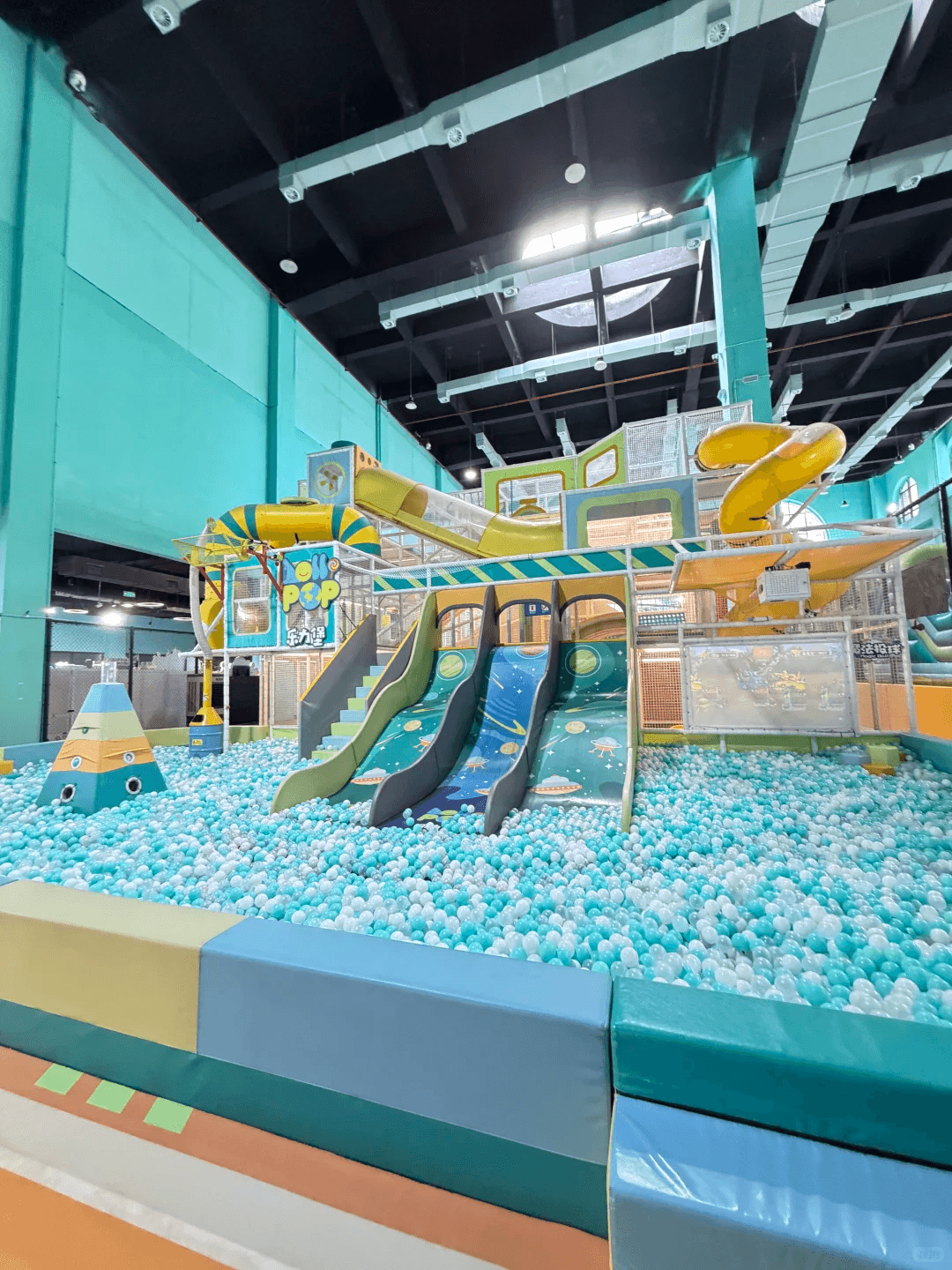
Choosing the Right Sensory Activities for Tight Corners
When space is at a premium, crafting sensory play areas can feel like a puzzle. But hey, it’s not impossible! The trick lies in selecting activities that are compact yet stimulating. Think about things like tactile bins filled with rice or beans—these don't take up much room but offer a world of texture exploration.
Also, consider wall-mounted options. Yep, vertical space isn’t just for shelves. You can install sensory boards or hanging fidget toys that engage kids without cluttering the floor. These solutions keep the sensory experience alive even in the smallest nook.
Utilizing Multi-Functional Furniture
One savvy tip from my years working with limited spaces? Opt for furniture that pulls double duty. For example, ottomans with storage inside can hold sensory materials discreetly. Plus, kids can use them as seats or platforms during play. It’s like having your cake and eating it too—or in this case, having space and sensory fun!
Portable and Collapsible Sensory Tools
Portability is a game-changer. Items that fold away or pack up easily free you from the tyranny of permanent setups. Foldable mats with different textures or small, pop-up tents work wonders—bring them out when needed, stash ‘em when done.
Brands like Coolplay have some neat portable sensory kits that balance quality and convenience perfectly. They’re designed for both indoor and outdoor use, so versatility is their middle name.
Incorporating Everyday Objects
Sometimes, the best sensory tools are hiding in plain sight. Household items like scarves, sponges, or wooden spoons can become tactile treasures. This approach reduces expenses and sidesteps storage headaches.
- Scarves: Great for visual tracking and soft touch exploration.
- Sponges: Useful for water-based sensory play.
- Wooden spoons: Perfect for rhythm and auditory stimulation.
Creating Zones Within Small Spaces
Even in cramped quarters, zoning is achievable. Use rugs, pillows, or screens to define sensory corners visually and physically. This helps children mentally transition into play mode without needing a big area.
Light strips or color-changing lamps can also delineate zones cleverly, adding a layer of sensory input via lighting changes. Just be mindful of cords and safety when setting these up.
Minimalist Approach to Sensory Materials
Less is definitely more when juggling limited space and sensory needs. Pick items that engage multiple senses simultaneously. For instance, a weighted lap pad offers deep pressure input while being compact. Similarly, aromatherapy diffusers provide olfactory stimulation without bulk.
Maintaining Engagement Without Overwhelm
Finally, it's important to rotate sensory materials regularly. Keeping the same toys or tools out all the time might lead to boredom, but constant excess can cause sensory overload—nobody wants that. A curated rotation schedule works wonders here.
Pro tip: Label boxes or containers by type or theme, making swaps quick and easy. That way, you can switch between tactile, auditory, or proprioceptive experiences effortlessly, maximizing impact in minimal space.