Is Soft Play Safe for Kids? A Parent’s Guide to Peace of Mind
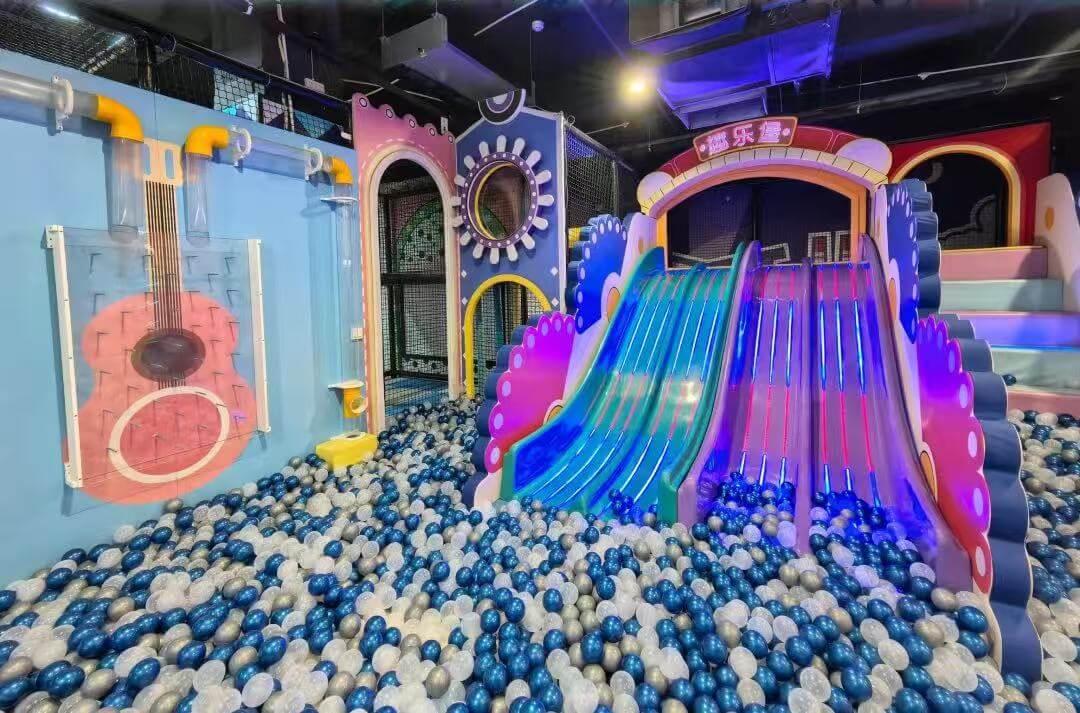
As a parent, few things bring more joy than watching your child laugh, explore, and burn off energy—especially in a space designed just for them. Soft play centers have become a go-to destination for rainy days, playdates, and moments when you need a break from the chaos of home. But one question lingers in every parent’s mind:
Is soft play actually safe for kids?
If you’re wondering about soft play safety for toddlers, or how to keep your little one safe at a soft play center, you’re not alone—this is one of the most common questions we get from fellow parents.
The short answer? Yes—when done right, soft play is one of the safest environments for young children to play, learn, and socialize. But like any activity involving kids, it’s not without its considerations. In this guide, we’ll break down the safety of soft play, address common concerns (like soft play safety for babies and toddlers), and share practical tips to ensure your child stays safe while having a blast. Whether you’re a first-time parent or a seasoned pro, this guide will help you feel confident the next time you take your kid to a soft play center.
Why Soft Play Is Designed for Safety
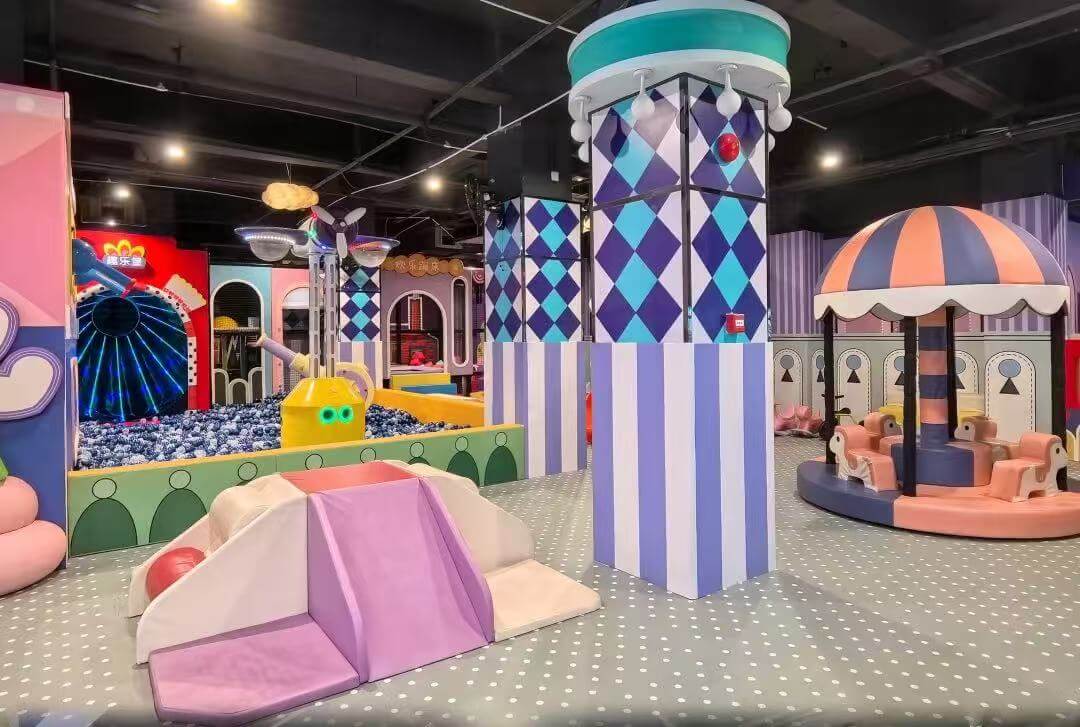
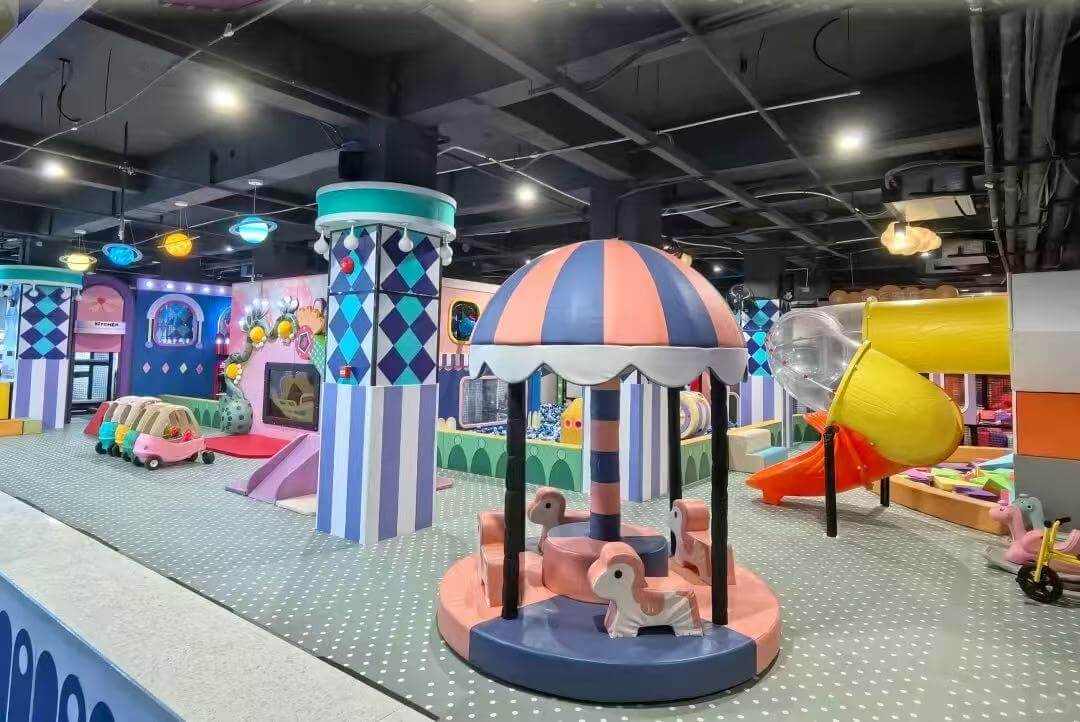
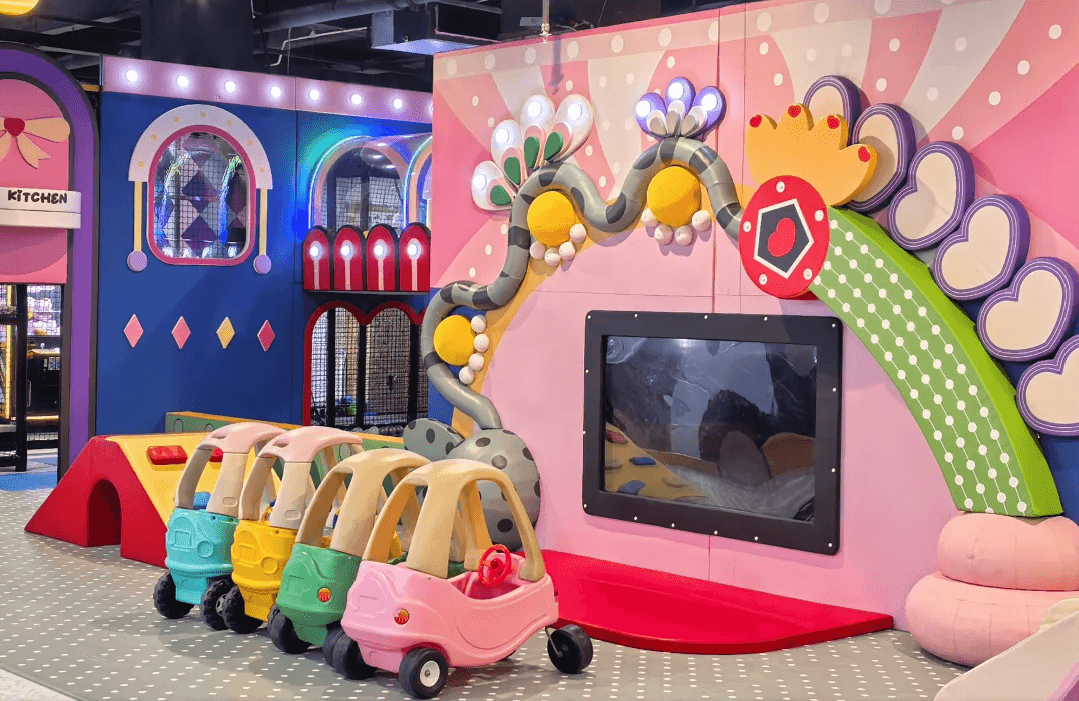
Soft play centers are engineered with one primary goal in mind: keeping kids safe while they play. Unlike traditional playgrounds with hard surfaces (think concrete, wood chips, or metal equipment), soft play uses padded mats, foam blocks, inflatable structures, and soft fabrics to cushion falls, bumps, and tumbles—all of which are inevitable when kids are running, climbing, and jumping. This is why so many parents choose soft play for their toddlers and young kids: it’s a low-risk way for them to be active without the fear of serious injuries that come with hard playgrounds. If you’re searching for safe soft play options for your child, understanding how these spaces are designed will put your mind at ease.
Here’s how soft play is built to protect your child—from the materials used to the layout of the space, every detail is intentional for soft play safety for kids of all ages:
-
Padded Surfaces Everywhere : Floors, walls, and even the equipment itself are covered in thick, shock-absorbent foam or soft vinyl. This means if your child trips while running or slips off a slide, they’ll land on a surface that minimizes impact—reducing the risk of bruises, scrapes, or more serious injuries. This is a game-changer for soft play safety for toddlers, who are still learning to balance and often take tumbles.
-
Age-Appropriate Zones : Most soft play centers divide their space into sections for different age groups (e.g., 0–2 years, 3–5 years, 6+ years). This ensures younger kids aren’t knocked over by older, more energetic children, and that equipment is sized correctly for little bodies (no oversized slides or climbing frames that are too tall for toddlers). This simple layout choice is key for soft play safety for babies and toddlers, who are more vulnerable to accidents with older kids.
-
Regular Inspections : Safety-focused centers inspect their equipment daily for tears, loose parts, or damage. Foam
-
Non-Toxic Materials : Reputable soft play centers use non-toxic, BPA-free, and lead-free materials for their equipment and padding. This is crucial, as young kids often put their hands (and sometimes toys) in their mouths—you don’t want them exposed to harmful chemicals. When looking for safe soft play centers for your child, always ask about the materials they use to ensure they prioritize your kid’s health.
-
Regular Inspections & Cleanliness : Safety-focused soft play centers inspect their equipment daily for tears, loose parts, or damage—because even a small tear in foam padding can create a safety hazard. They also prioritize cleanliness, which is another part of soft play safety for kids (germs can spread easily in play areas!). Look for centers that clean and sanitize equipment regularly, especially high-touch surfaces like slide handles and foam blocks.