Indoor Soft Play Equipment Buying Guide
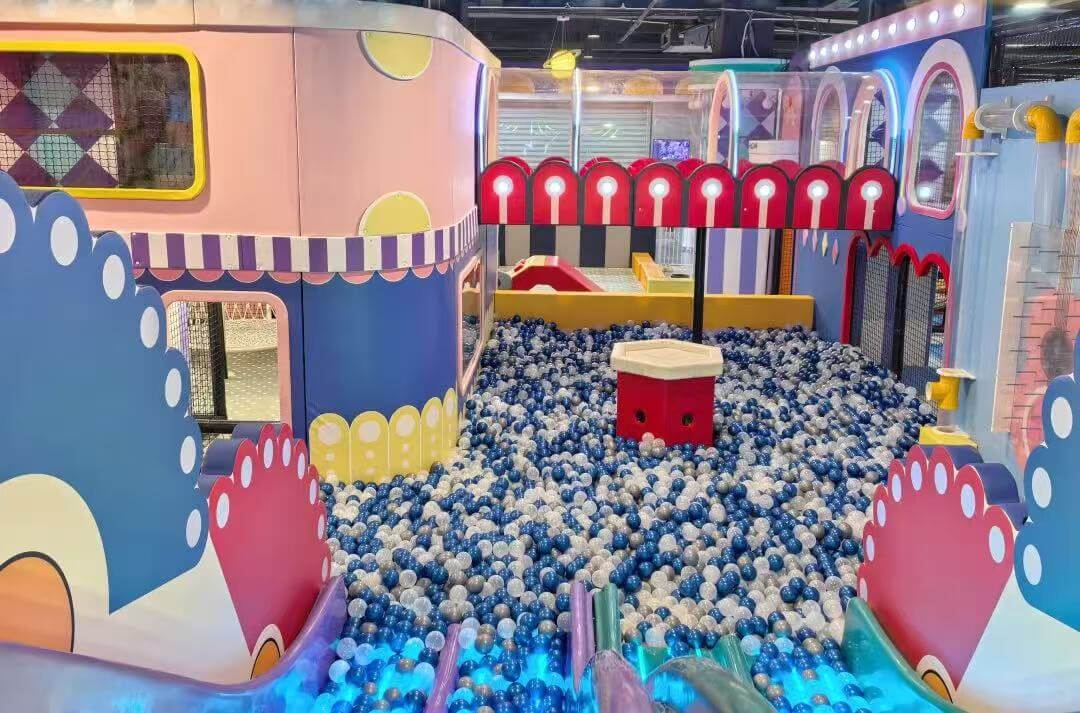
Buying indoor soft play equipment is a key step when opening an indoor playground, daycare play area, kids café, or family entertainment center. The right equipment improves safety, maximizes space, and attracts more families. A well-planned purchase also helps control costs and ensures long-term durability.
This indoor soft play equipment buying guide explains what to consider before choosing a supplier and how to select the best equipment for your project.
Step 1: Define Your Play Area Size
Start by measuring your available space. Indoor soft play equipment is usually designed based on square meters rather than individual pieces.
Typical size ranges:
- Small toddler play area: 30–80㎡
- Medium indoor soft play: 80–200㎡
- Large commercial playground: 200–600㎡
- Family entertainment center play area: 600㎡+
Knowing your space helps suppliers create an optimized layout.
Step 2: Choose Target Age Group
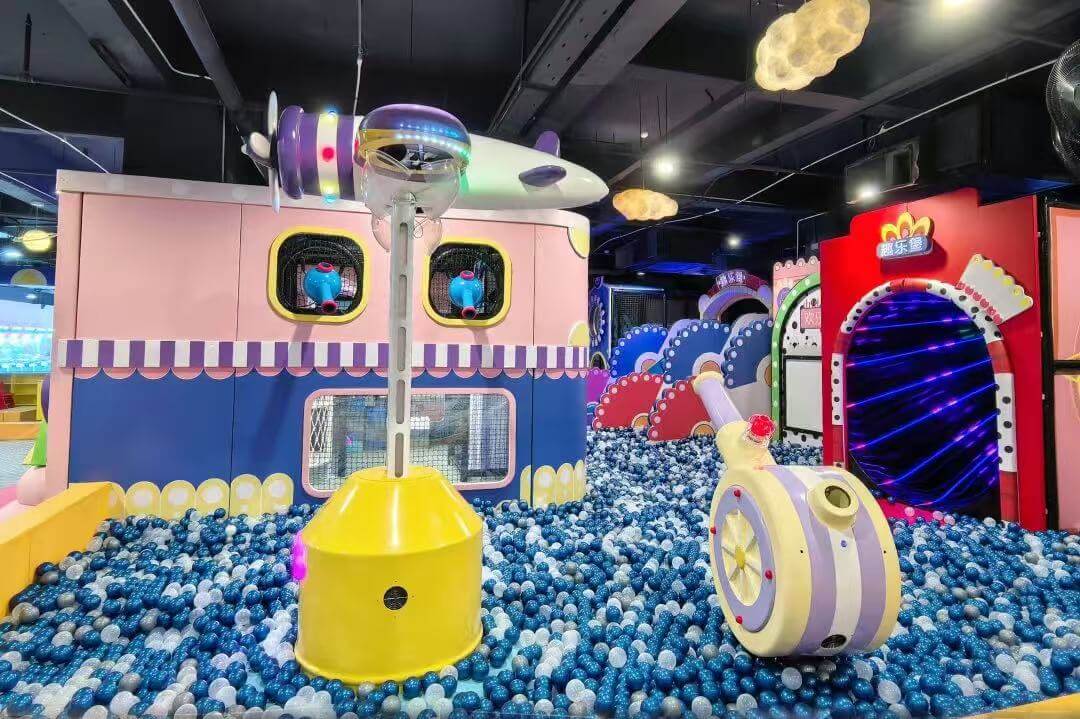
Soft play equipment should match your target customers.
Toddler Soft Play (1–3 years)
- Soft blocks
- Mini slides
- Ball pits
- Low climbing elements
Kids Soft Play (3–8 years)
- Multi-level play structures
- Climbing obstacles
- Tunnels and slides
- Interactive play panels
Mixed Age Indoor Playground
- Separate toddler zone
- Larger play structure
- Family-friendly layout
Age zoning improves safety and user experience.
Step 3: Select Soft Play Equipment Components
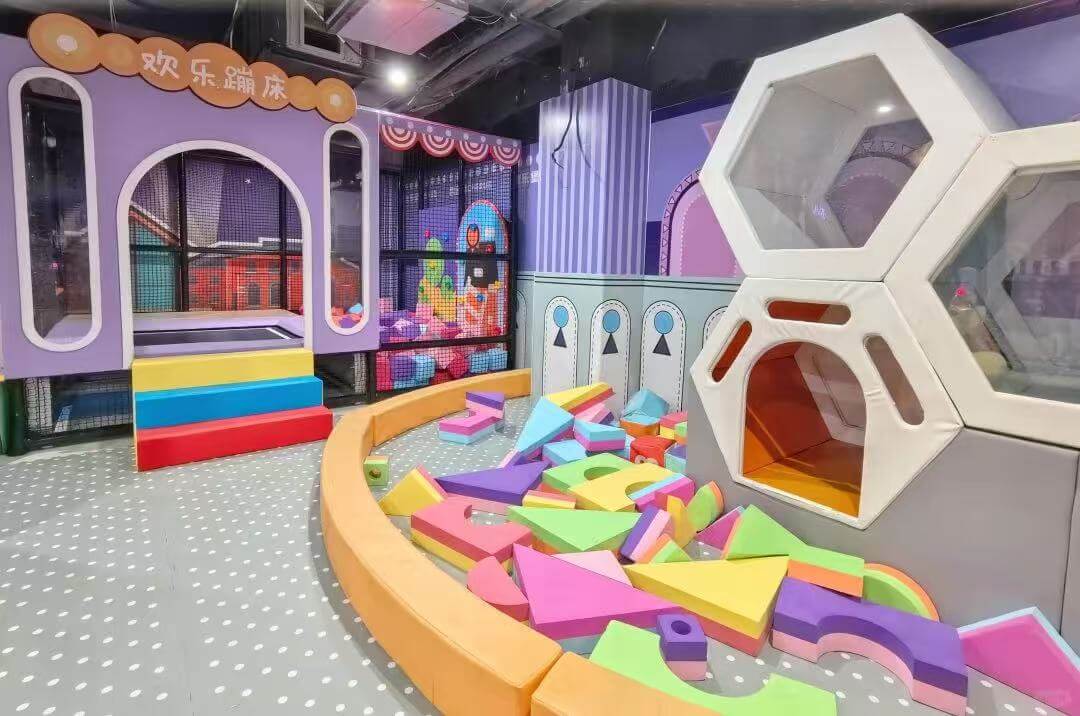
A complete indoor soft play playground may include:
- Multi-level soft play structure
- Ball pit area
- Slides (straight / spiral / tube)
- Climbing obstacles
- Soft play blocks and obstacles
- Crawl tunnels
- Role play houses
- Soft play flooring
- Safety netting
Combining multiple elements increases play value.
Step 4: Choose Commercial-Grade Materials
Quality materials ensure safety and durability.
Look for:
- High-density EPE foam padding
- Fire-retardant PVC covering
- Galvanized steel internal frame
- Anti-tear netting
- Non-toxic materials
Commercial-grade soft play equipment lasts longer and reduces maintenance.
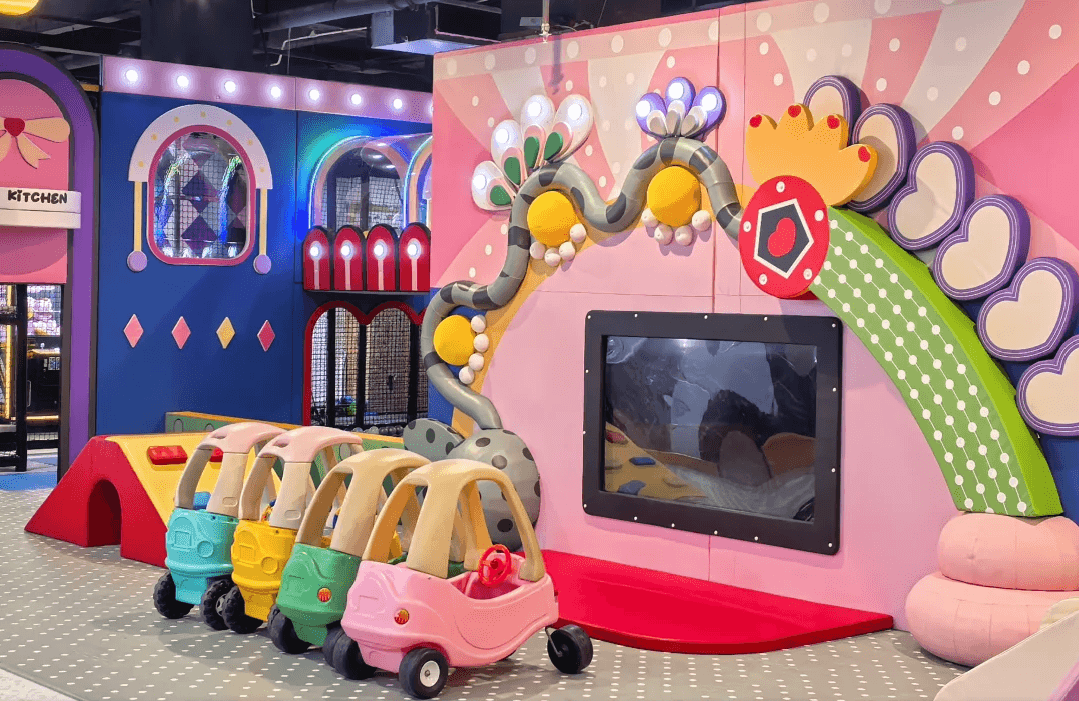
Step 5: Consider Custom Theme Design
Themed playgrounds attract more customers and improve branding.
Popular themes:
- Jungle theme indoor playground
- Ocean theme soft play
- Candy theme kids play area
- Space theme playground
- Adventure theme play structure
Custom themes make your playground stand out.
Step 6: Check Safety Standards
Professional indoor soft play equipment should comply with:
- ASTM safety standards
- EN playground standards
- Fire-retardant material requirements
- Child-safe design spacing
Safety compliance is essential for commercial use.
Step 7: Evaluate Supplier Experience
Choose a supplier that offers:
- Custom design service
- 2D layout planning
- 3D rendering
- Manufacturing capability
- Installation support
- After-sales service
Experienced suppliers help avoid design mistakes.
Step 8: Understand Pricing Structure
Indoor soft play equipment is usually priced by:
- Total square meters
- Design complexity
- Theme customization
- Material quality
- Shipping & installation
Average price range:
- Basic soft play: $100–$180 per sqm
- Standard commercial: $150–$280 per sqm
- Premium themed: $220–$400 per sqm
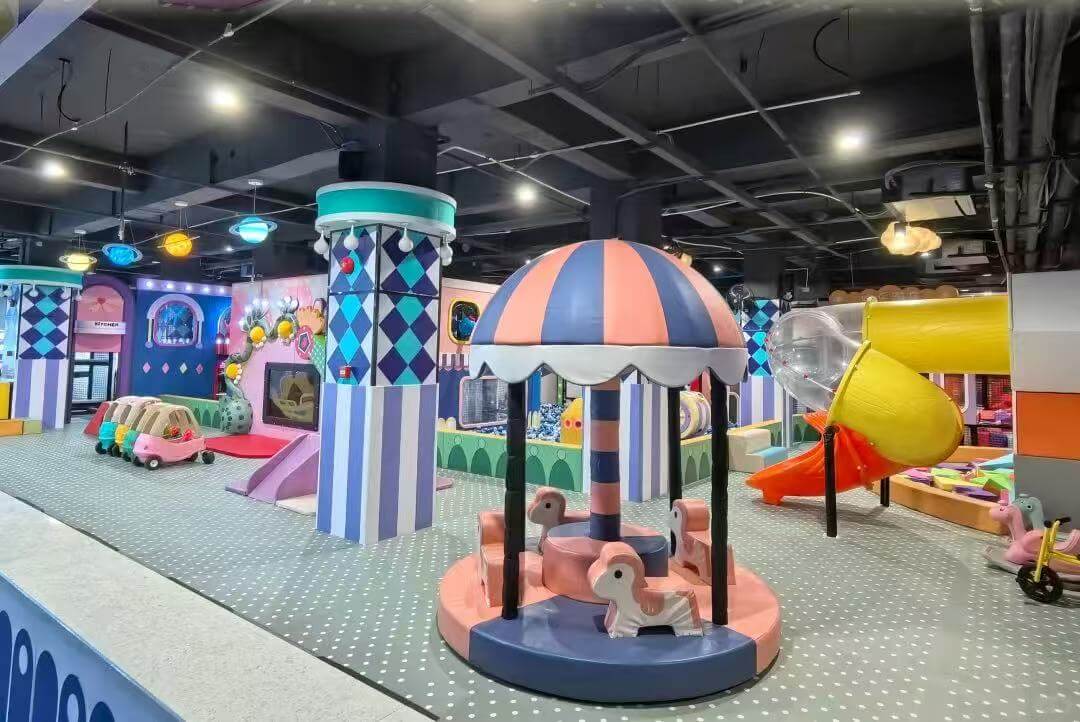
Step 9: Plan Traffic Flow & Layout
Good layout design should include:
- Clear entrance and exit
- Parent seating area
- Toddler zone separation
- Safe walkways
- Visibility for supervision
Efficient layout improves safety and customer experience.