
Indoor Boulder Wall for Kids
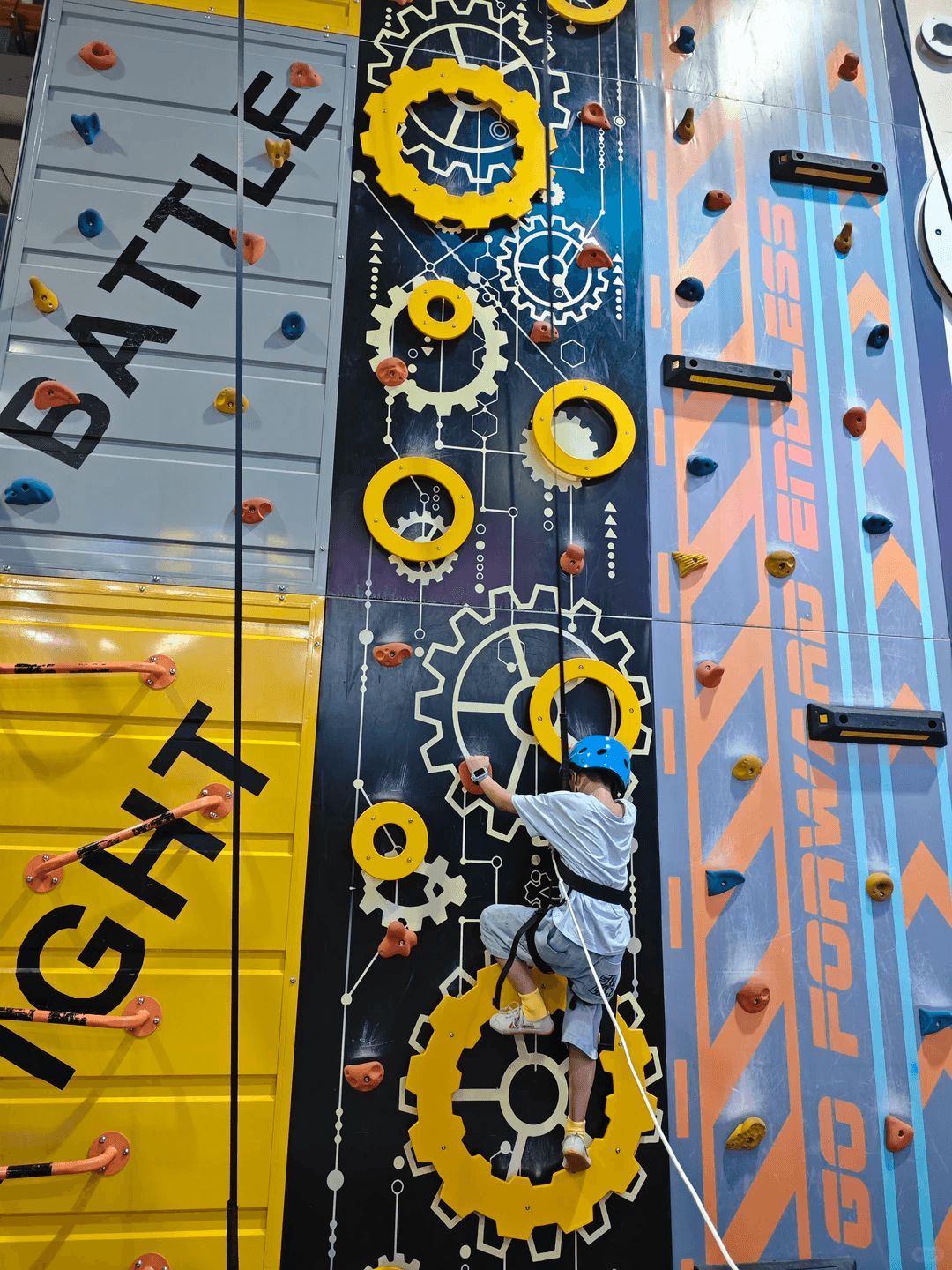
Why Indoor Boulder Walls for Kids Are More Than Just Play
Imagine a living room transformed into a miniature climbing gym, where a child named Mia scales a Coolplay indoor boulder wall with the same determination as a mountaineer tackling El Capitan. The wall is only 7 feet tall, cushioned with thick foam mats, and sprinkled with multicolored holds that challenge her grip and balance. Now, you might wonder: is this just a fun pastime or something more profound?
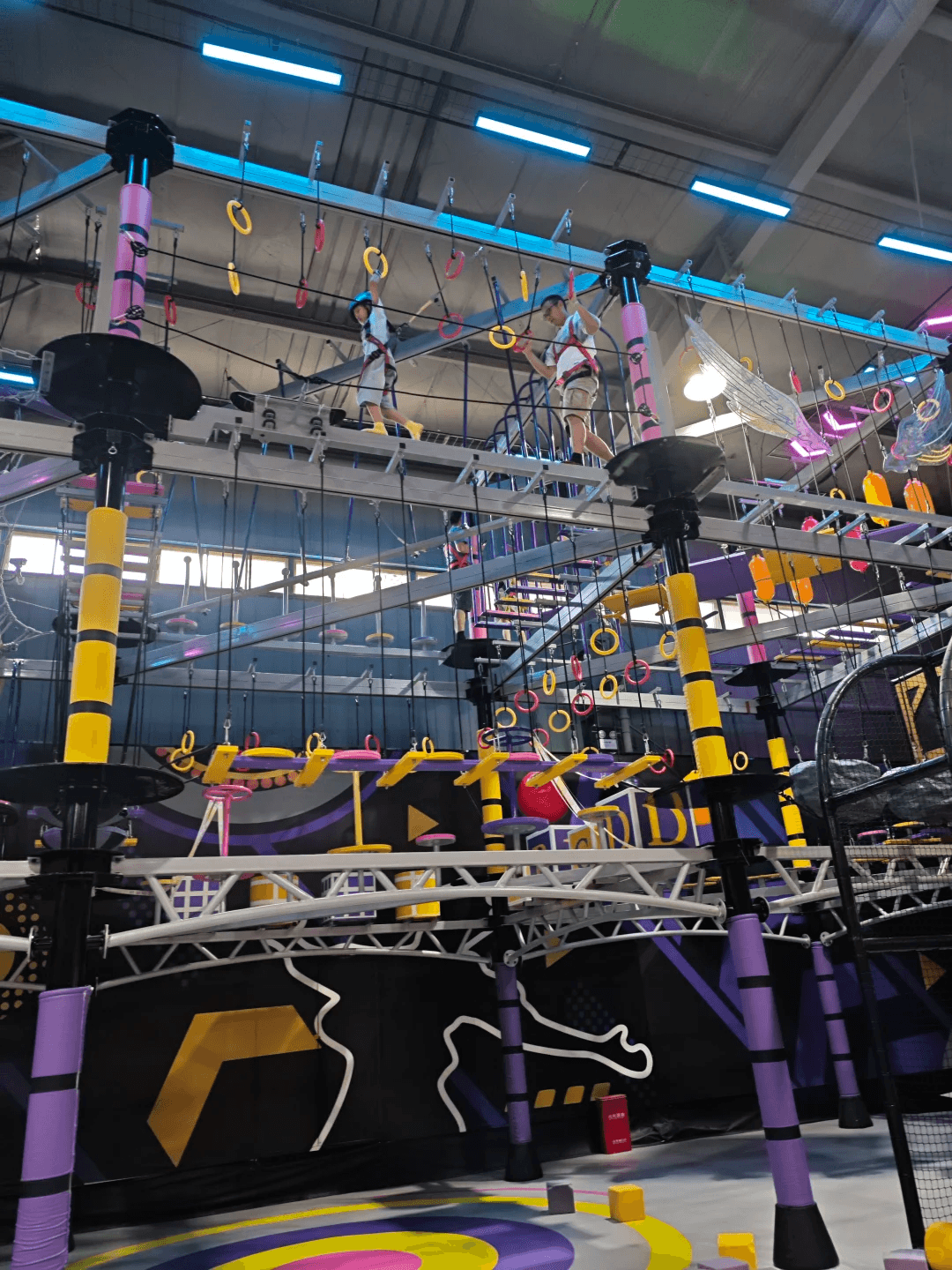
The Unexpected Physical Perks
Kids aren’t little adults. Their bodies demand dynamic movement patterns. A study conducted by the American Pediatric Orthopedic Society found that children who engage in climbing activities develop superior proprioception and fine motor skills compared to their peers who stick to conventional playground equipment.
- Balance enhancement: Climbing forces kids to constantly adjust weight distribution, improving neuromuscular coordination.
- Muscle strengthening: Not just arms—core and legs get an intense workout.
- Joint health: Unlike repetitive running or jumping, bouldering promotes joint mobility without harsh impacts.
Think about it: how often does a game specifically boost upper body strength in kids without them realizing? Coolplay walls, especially their modular setups like the “FlexGrip 2000,” are designed with kid ergonomics in mind—holds spaced at appropriate intervals that suit smaller reaches but still offer a challenge.
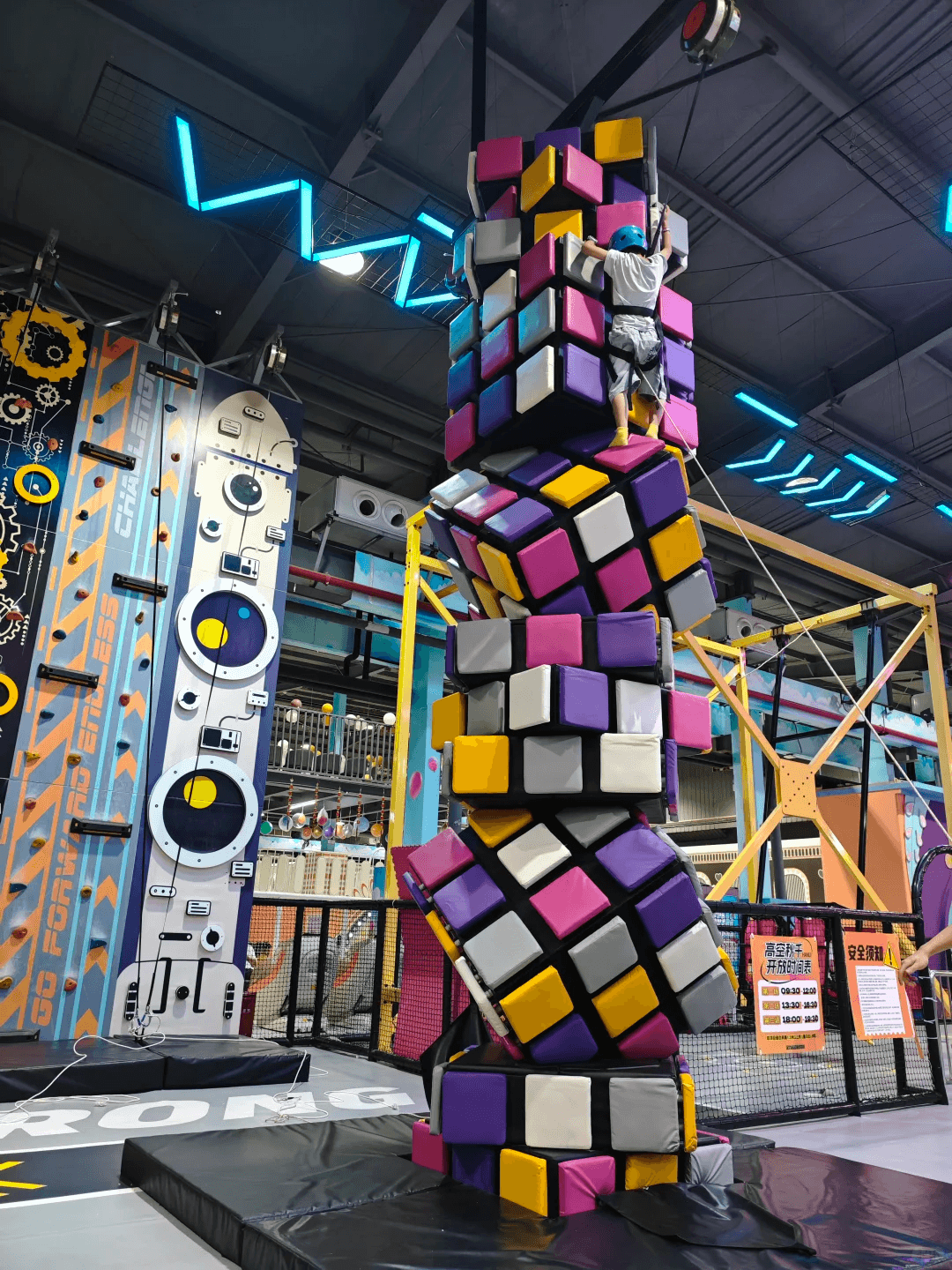
Cognitive Gains Hidden in the Grips
Here’s a counterintuitive fact: climbing puzzles are actually brain teasers. Each hold placement requires problem-solving, spatial reasoning, and forward planning. Sarah, a nine-year-old using a Coolplay setup installed in her school’s activity room, reported feeling “like a detective” when figuring out the best route.
In contrast to passive screen time, which floods the brain with rapid sensory input, bouldering demands slow, deliberate thought—a process linked to enhanced executive function in developmental psychology research. So, if parents think they’re just buying another toy, they’re gravely mistaken.
Case Study: From Couch Potato to Boulder Prodigy
Consider Lucas, a shy seven-year-old reluctant to participate in team sports. After installing a Coolplay wall at home, his confidence blossomed. Within three months, he moved from barely reaching the first level holds to completing complex routes featuring over 50 grips. His pediatrician noticed improved posture and reduced anxiety during check-ups—a testament to climbing’s holistic benefits.
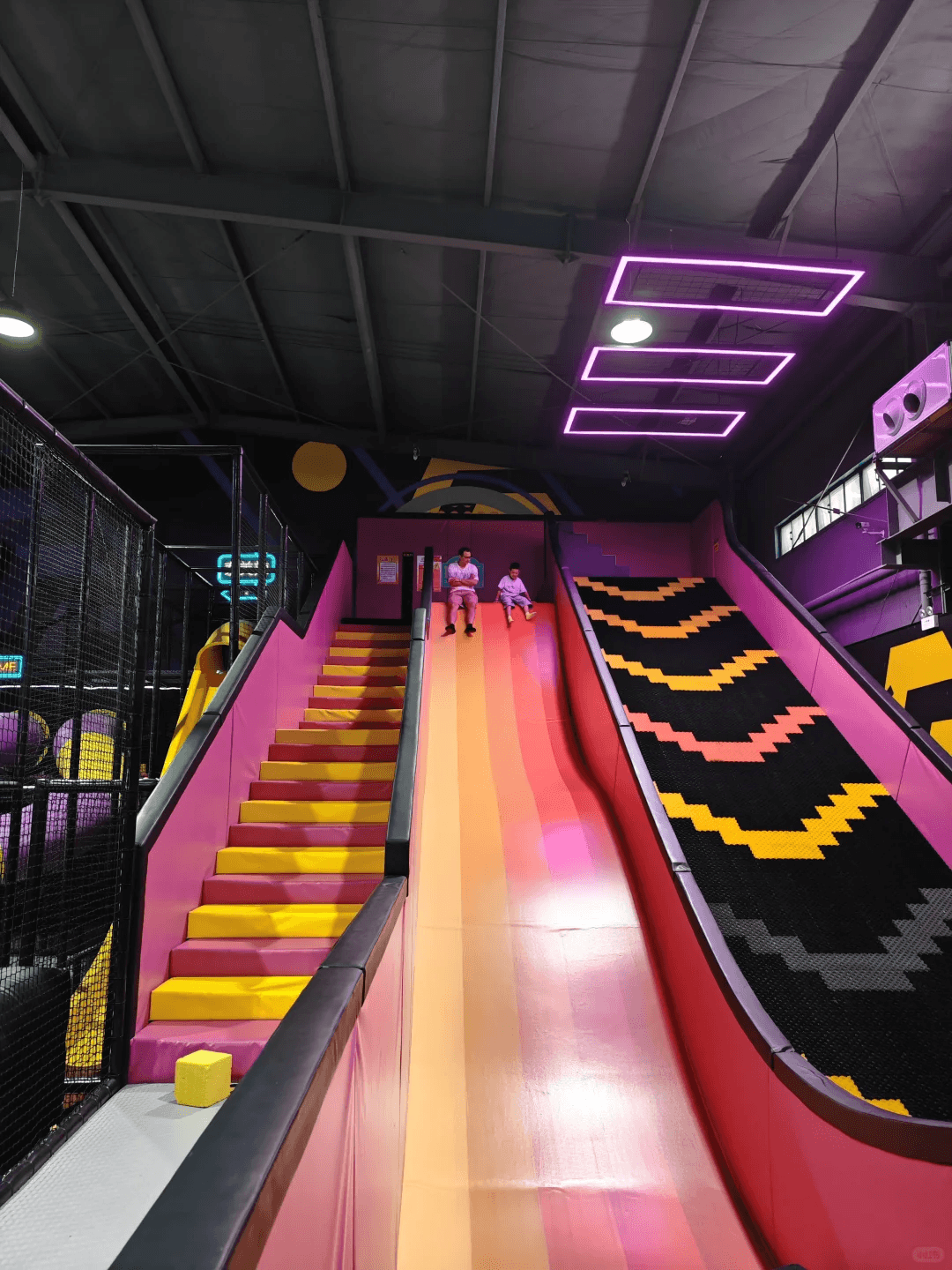
What Makes a Good Indoor Boulder Wall for Kids?
- Material Quality: Durable plywood backings combined with texture-rich holds prevent slips but remain gentle on small hands.
- Safety Measures: Thickness of foam padding beneath the wall must meet or exceed 6 inches to absorb falls properly.
- Adjustability: Modular panels that can be rearranged keep the challenge evolving as skills improve.
- Design Appeal: Bright colors and whimsical shapes encourage engagement rather than intimidation.
Many brands claim to cater to children, but few match Coolplay’s rigorous safety testing and ergonomic design. Some “budget” walls lack sufficient padding or have holds spaced too far apart, turning playtime into frustration.
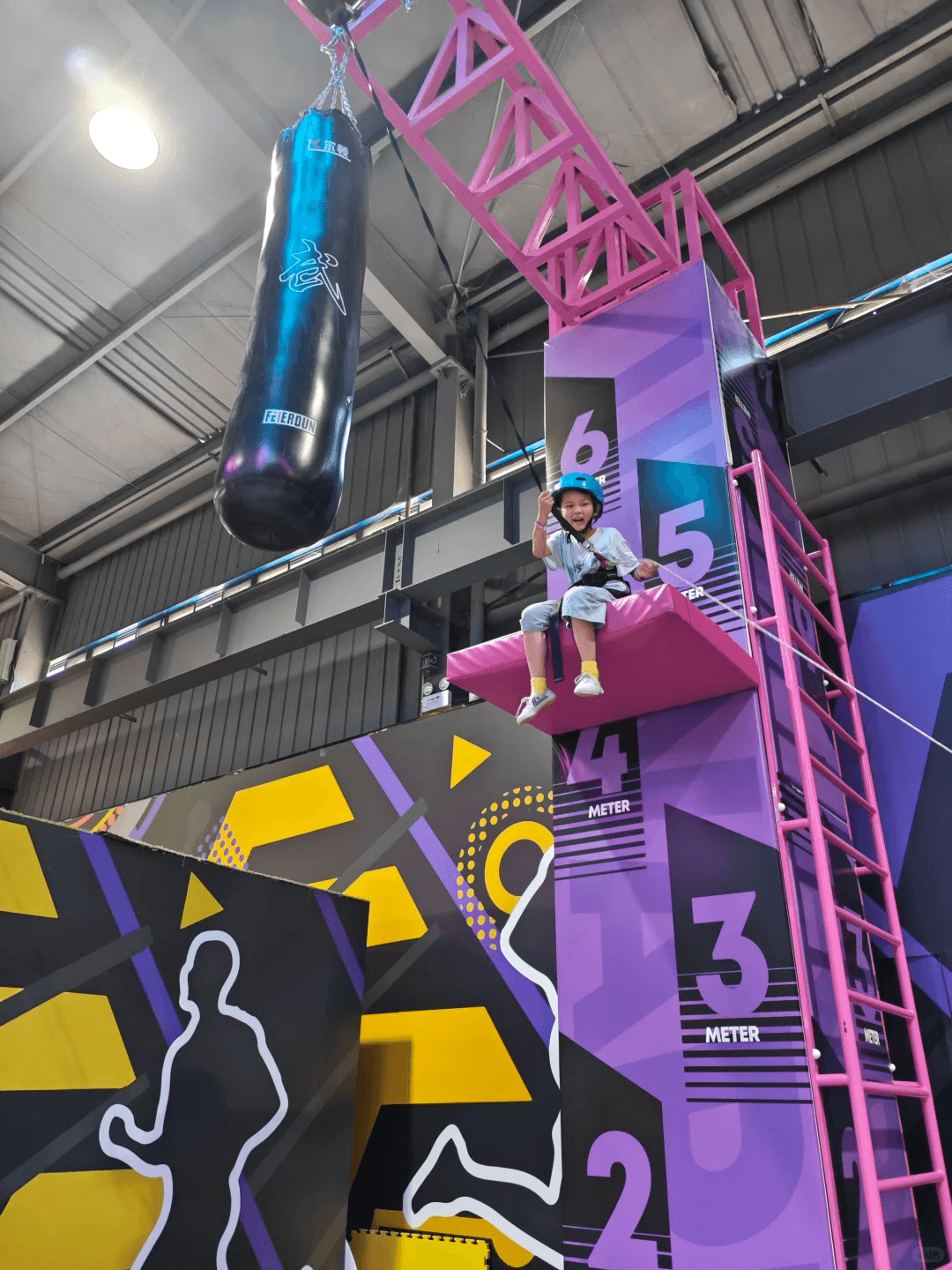
Unexpected Social Dynamics
Climbing indoors also fosters unique social interactions. Unlike traditional team sports where competitiveness can sometimes spiral, group sessions around a boulder wall promote collaborative cheering and shared problem-solving. Children learn patience, empathy, and communication—all while tackling physical challenges.
One might ask: Isn’t this better than spending hours passively watching cartoons? Emphatically yes!
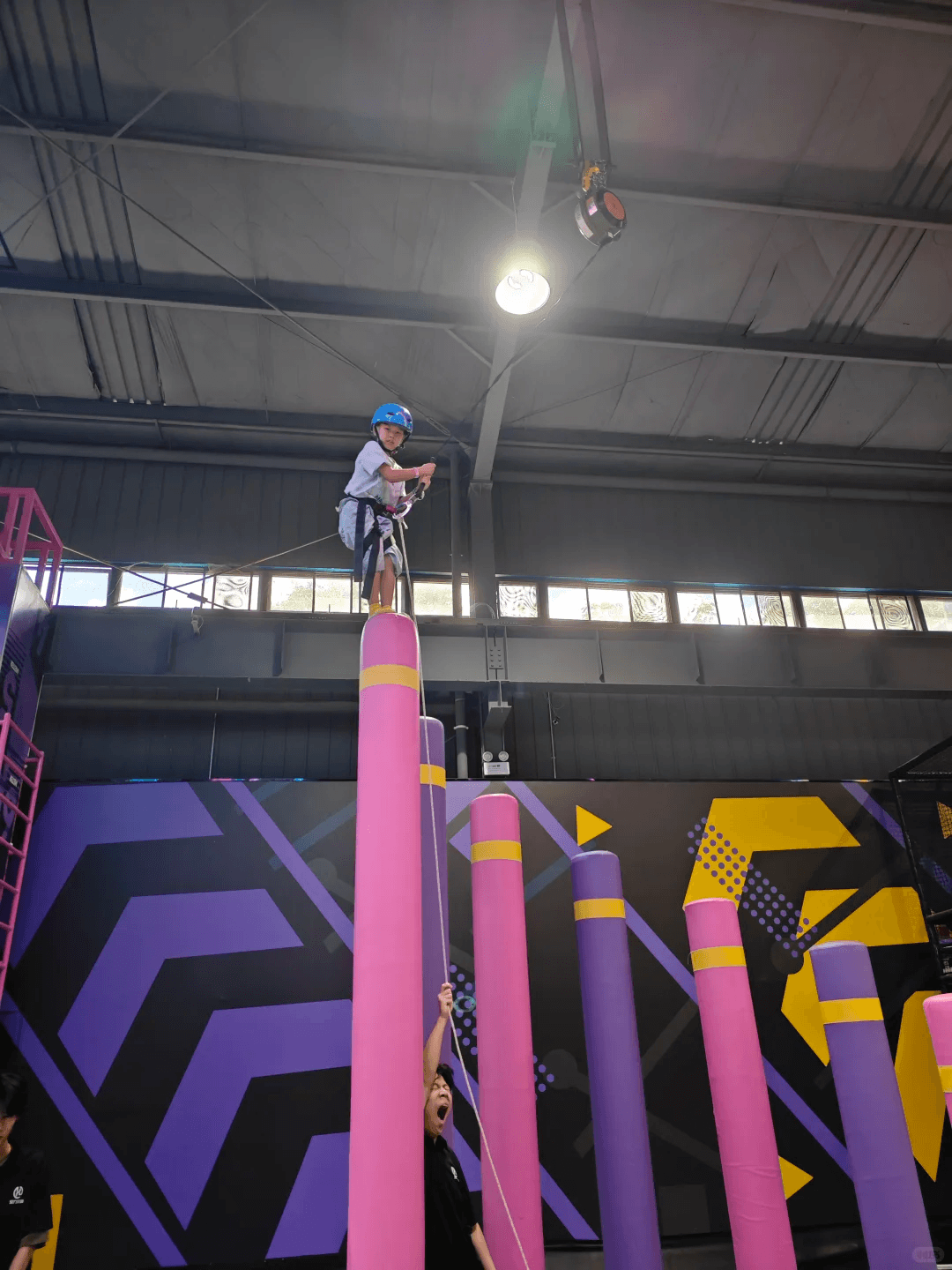
Key Takeaway for Parents
If you want your child to develop strength, cognition, and social skills simultaneously, an indoor boulder wall isn’t a splurge—it’s an investment. Brands like Coolplay make this accessible with their combo packages that include installation guides, safety mats, and interactive route cards customized by age and skill level.
Next time you catch your kiddo climbing the living room wall (literally), smile knowingly—they’re training more than muscles. They’re building resilience, creativity, and confidence one hold at a time.