How to Choose Equipment for a Family Entertainment Center
Understanding Your Target Audience
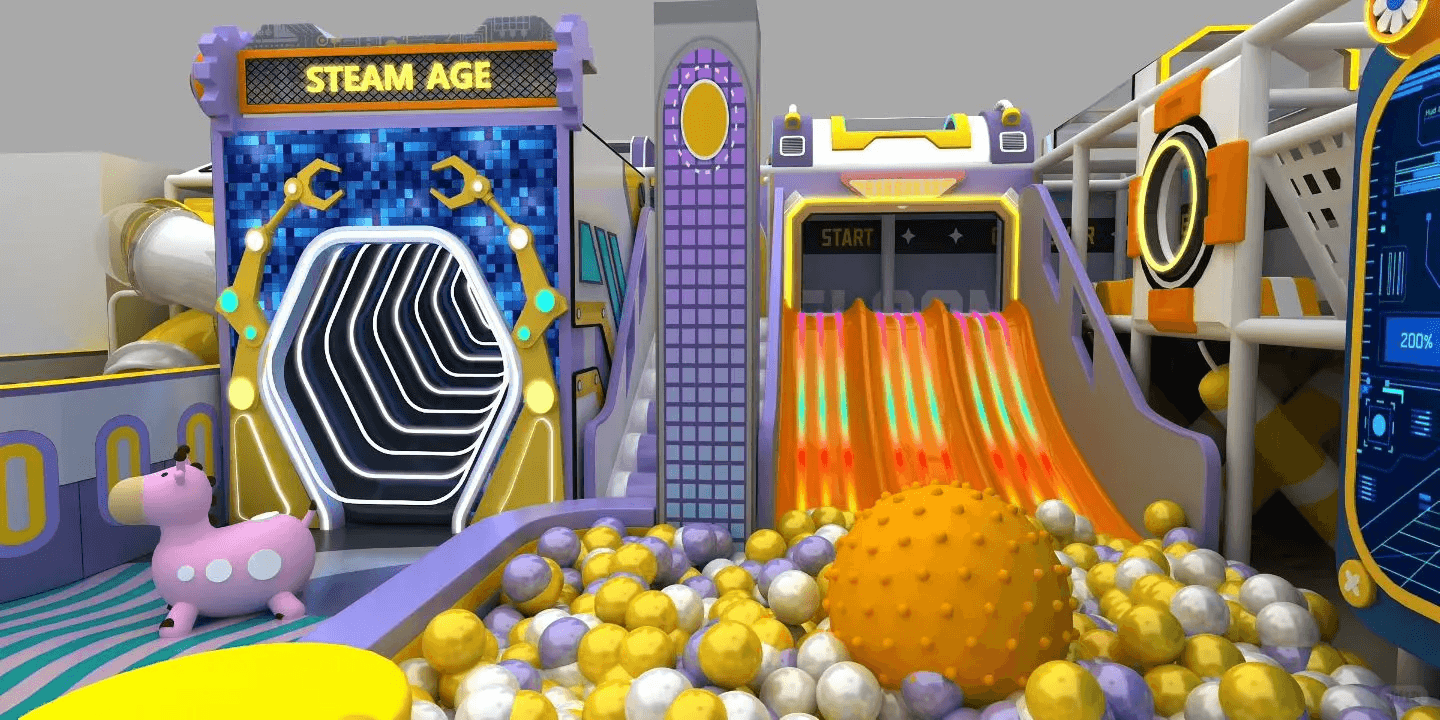
Before diving into the world of rides, arcade games, or virtual reality setups, it's crucial to understand who your Family Entertainment Center (FEC) will serve. Families come in all shapes and sizes. Are you primarily targeting toddlers, tweens, or teenagers? The age range directly influences the type of equipment you'll invest in. For example, toddler-friendly play structures require different safety standards and design considerations than high-thrill adult laser tag arenas.
Demographics and Preferences
Knowing local demographics can make or break your equipment choices. In areas with a lot of young families, interactive play zones and gentle rides might see heavy use. Meanwhile, teenage-heavy neighborhoods may skew towards competitive arcade games or VR experiences. Actually, understanding these nuances not only improves guest satisfaction but optimizes your ROI by reducing idle equipment downtime.
Balancing Space and Variety
Space is often the silent dictator when choosing FEC equipment. It’s tempting to pack your venue with every flashy attraction under the sun, but that rarely works out well. Long queues and overcrowding can sour the experience quickly.
The Role of Modular Equipment
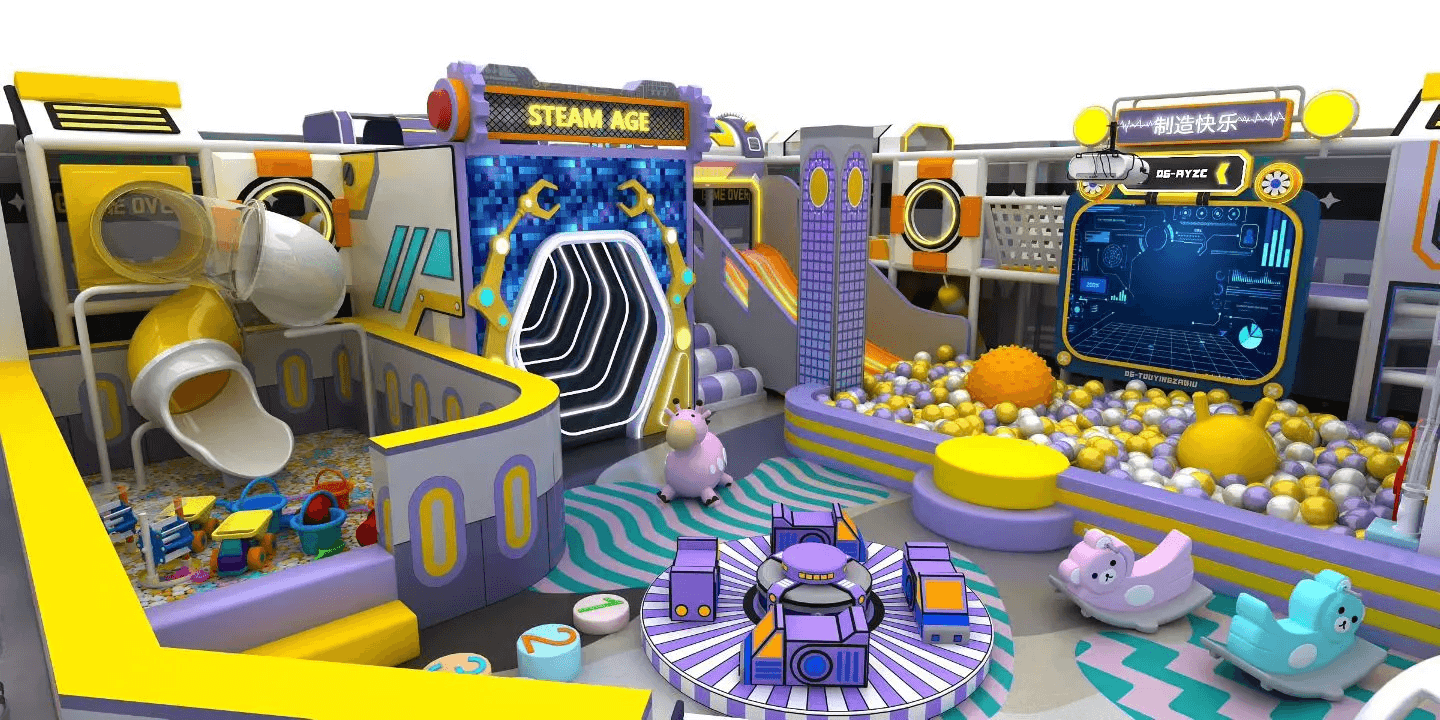
Modular play systems and multi-use arcade machines offer great flexibility. They allow you to mix and match components, adapting as trends change or as you learn more about customer preferences. Brands like Coolplay provide some neat modular options which are not just attractive but space-savvy too.
Incorporating Active vs. Passive Attractions
- Active Attractions: Includes climbing walls, trampolines, mini golf, or go-karts. These require more supervision and maintenance but tend to drive higher engagement.
- Passive Attractions: Think redemption games, simulators, or snack bars. Less physically demanding, they appeal to different visitor segments or family members waiting their turn.
Striking a good balance keeps everyone entertained without overwhelming either guests or staff.
Safety and Maintenance Considerations
Safety can't be an afterthought. From ride certifications to sanitization protocols on soft play areas, every piece of equipment must meet stringent standards. Maintenance is another beast entirely. Investing in durable, easy-to-clean gear minimizes downtime and keeps operational costs in check.
Choosing Reliable Suppliers
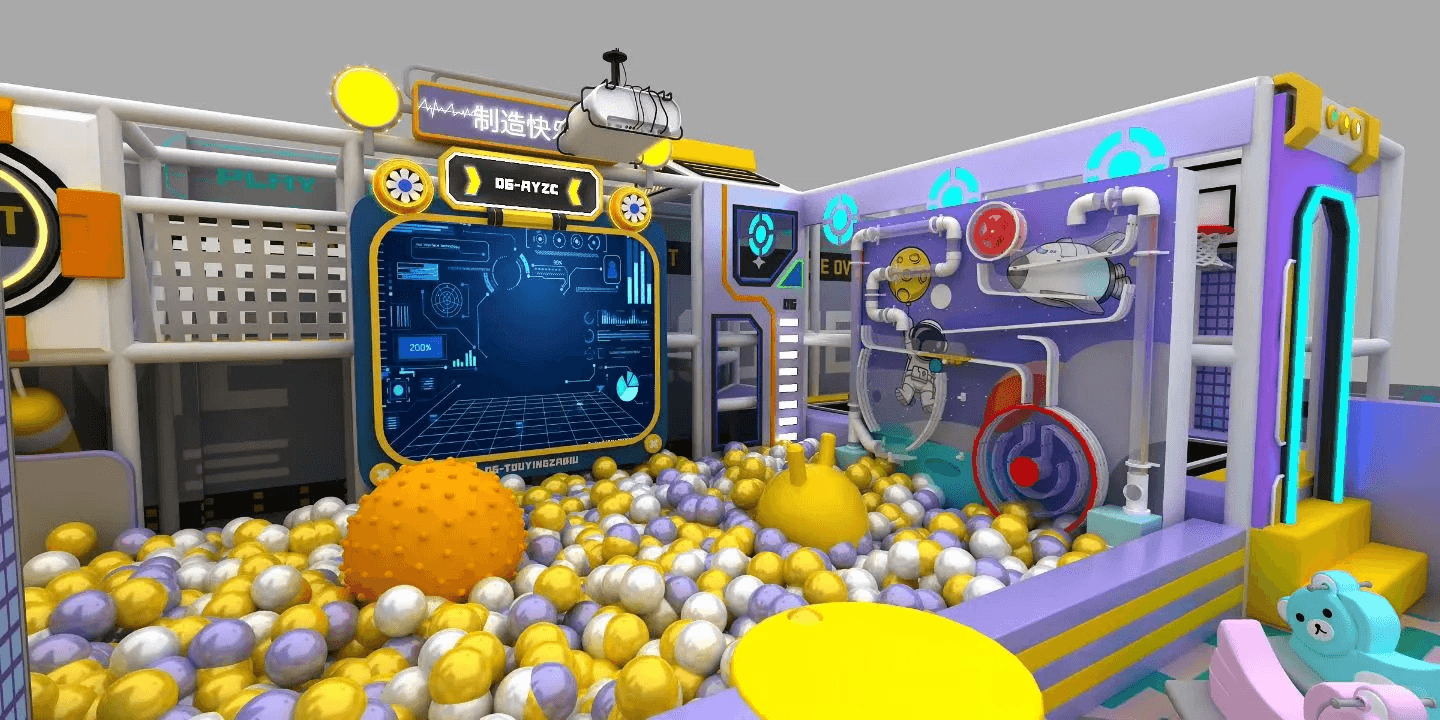
One lesson learned from decades in the industry is: vendor reliability matters just as much as the equipment itself. Coolplay has made a name for itself by providing robust products backed by solid after-sales support — a vital factor when unexpected repairs threaten your center's daily operation.
Planning for Wear and Tear
Equipment in FECs takes a beating. Kids jump, run, and sometimes get a bit rough. Expect parts to wear out and design your layout to facilitate quick replacements or repairs. This approach extends the life of your investment and keeps the play environment safe at all times.
Integrating Technology and Trends
The entertainment landscape evolves rapidly. Today’s hit could be tomorrow’s forgotten fad. Interactive digital games, augmented reality zones, and personalized gaming experiences are increasingly popular—and profitable.
Leveraging Data Analytics
Many modern FEC systems offer data tracking features, giving operators insight into usage patterns and visitor preferences. This data helps tailor offerings and schedule maintenance efficiently. Implementing such technology upfront can pay off substantially over time.
Future-Proofing Choices
Actualy, while it’s impossible to predict the next big thing in family entertainment, selecting equipment that supports upgrades or software updates is wise. This flexibility ensures you won’t have to start from scratch every few years.
Budgeting Wisely Without Sacrificing Quality
Finally, budget considerations loom large. It’s tempting to cut corners on initial purchases, but that often leads to costlier repairs or replacement sooner than expected. Prioritize investments that align with your center’s concept and long-term strategy.
Cost vs. Value
- High-quality equipment may have a higher upfront cost but often offers better durability and user satisfaction.
- Cheaper options might save money initially but risk increased downtime and reputation damage.
Finding a middle ground requires careful research and sometimes leaning on experts’ opinions. Combining this with firsthand testing—where possible—can prevent costly missteps.