FEC Layout Planning for Maximum Revenue
Understanding the Dynamics of FEC Layout Planning
Family Entertainment Centers (FECs) operate in a competitive environment where optimizing revenue through spatial design is paramount. The layout not only dictates customer flow and engagement but also influences spending patterns indirectly, making strategic planning essential for maximizing profitability.
Key Factors Influencing Layout Design
Customer Segmentation and Experience Zones
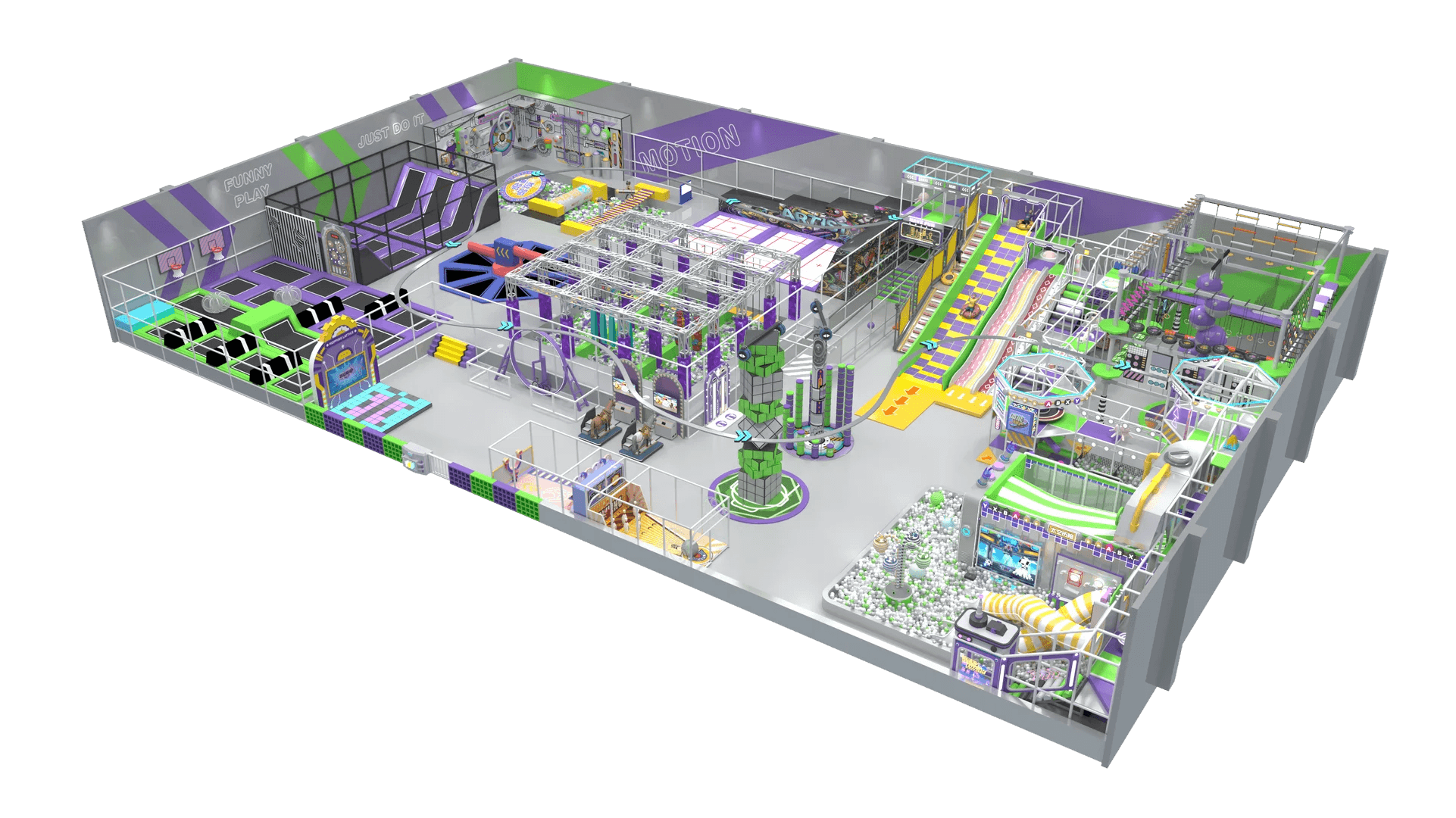
Identifying distinct customer groups—children, teens, families, and adults—helps in creating differentiated zones that cater precisely to their preferences. For instance, placing high-intensity attractions near teens while reserving calmer areas with party rooms or dining zones for families enhances satisfaction and dwell time, which in turn boosts revenue.
Traffic Flow Optimization
Efficient circulation minimizes congestion and ensures visitors encounter multiple revenue-generating opportunities. It is critical to balance open spaces with strategically placed attractions; dead ends or bottlenecks can reduce visit duration and frequency of transactions.
Revenue Maximization Through Strategic Placement
High-Yield Attractions as Anchors
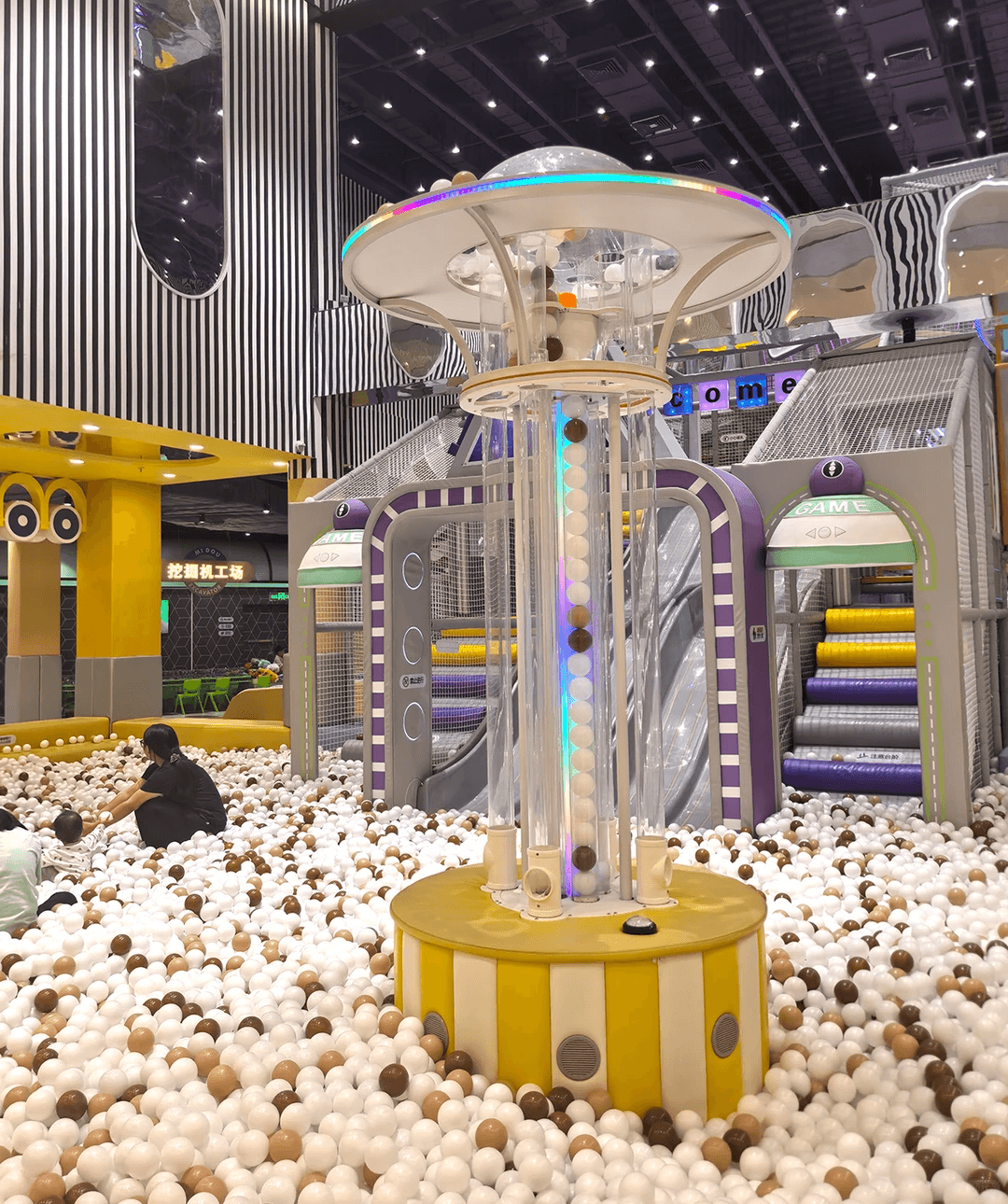
Anchoring the layout around key revenue drivers like arcade games, redemption counters, or signature rides draws traffic deeper into the facility. Coolplay, for example, emphasizes positioning these features centrally or near entrances to create immediate impact and encourage impulse purchases.
Cross-Selling and Impulse Zones
Designing pathways that lead visitors past food courts, merchandise outlets, or prize redemption areas capitalizes on unplanned spending. The psychological placement of snack bars adjacent to waiting areas or queue lines further stimulates additional sales without detracting from the primary entertainment experience.
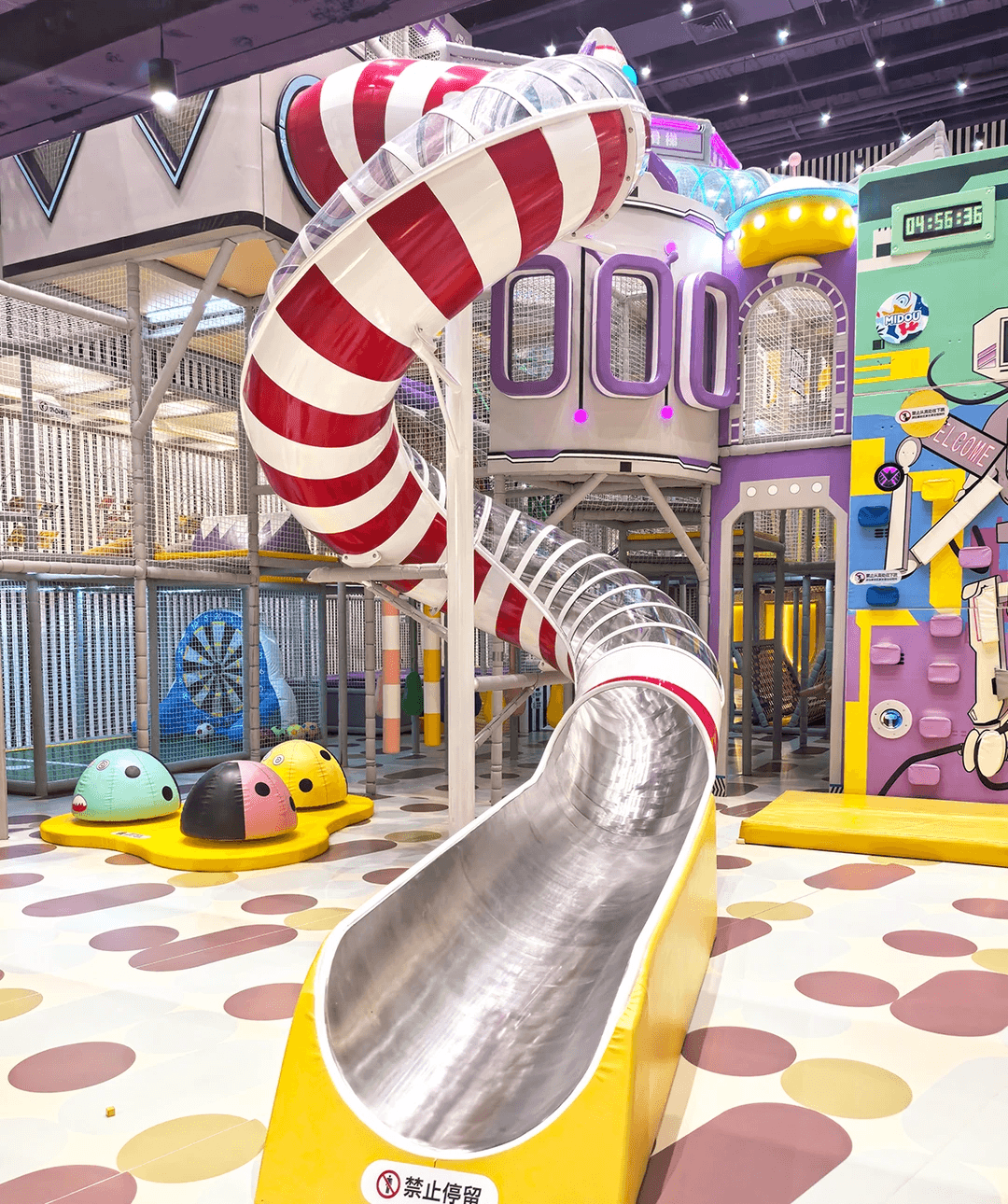
Incorporating Technology for Layout Efficiency
Data-Driven Space Utilization
Leveraging visitor tracking and analytics enables operators to refine layouts continuously. By examining heatmaps and dwell times, underperforming zones can be reconfigured or repurposed to improve financial outcomes.
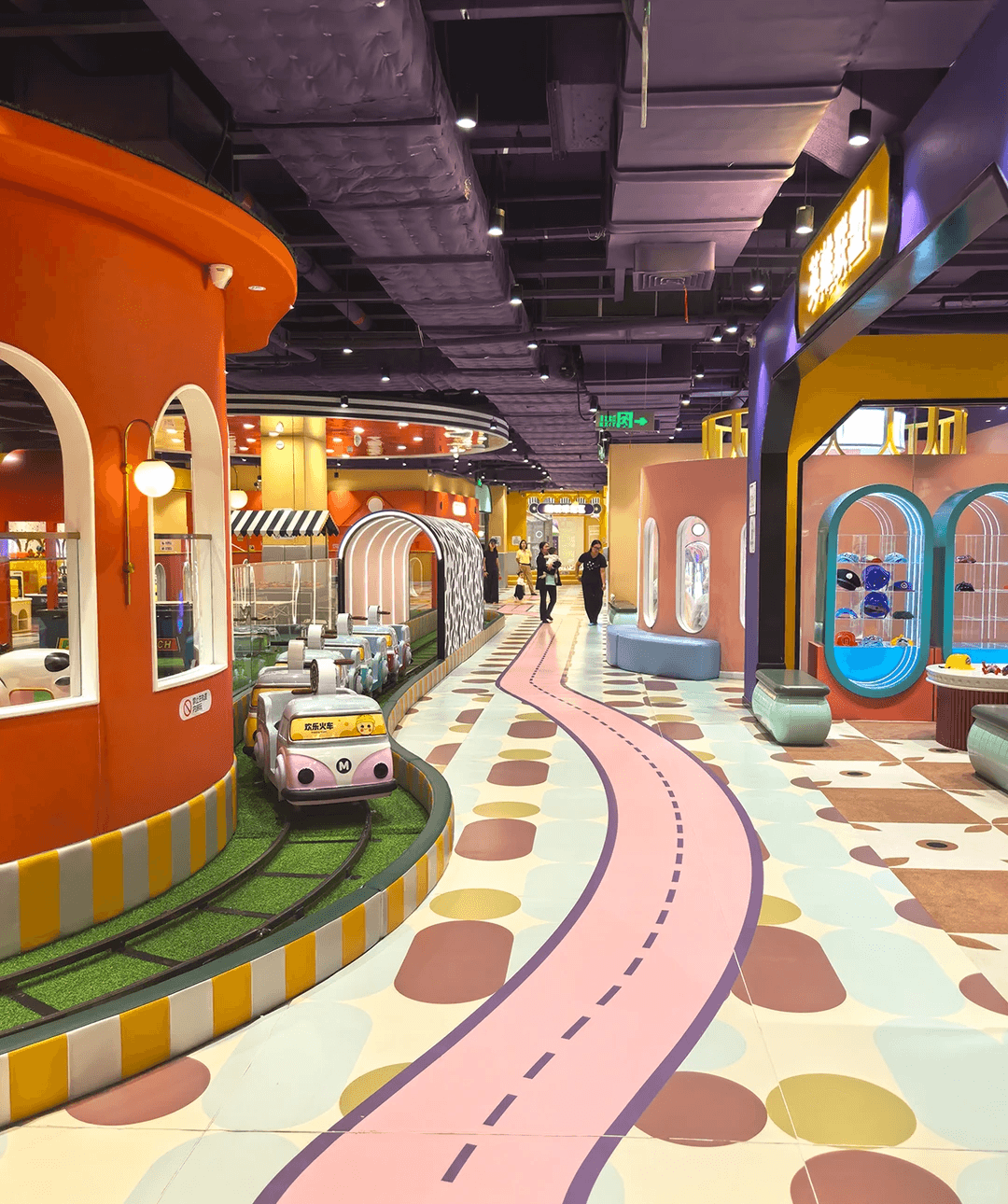
Interactive and Modular Designs
Flexible modular stations allow rapid adaptation to emerging trends or seasonal fluctuations, ensuring consistent relevance. Coolplay’s model frequently integrates interactive exhibits that can be rearranged with minimal downtime, preserving guest interest and optimizing revenue per square foot.
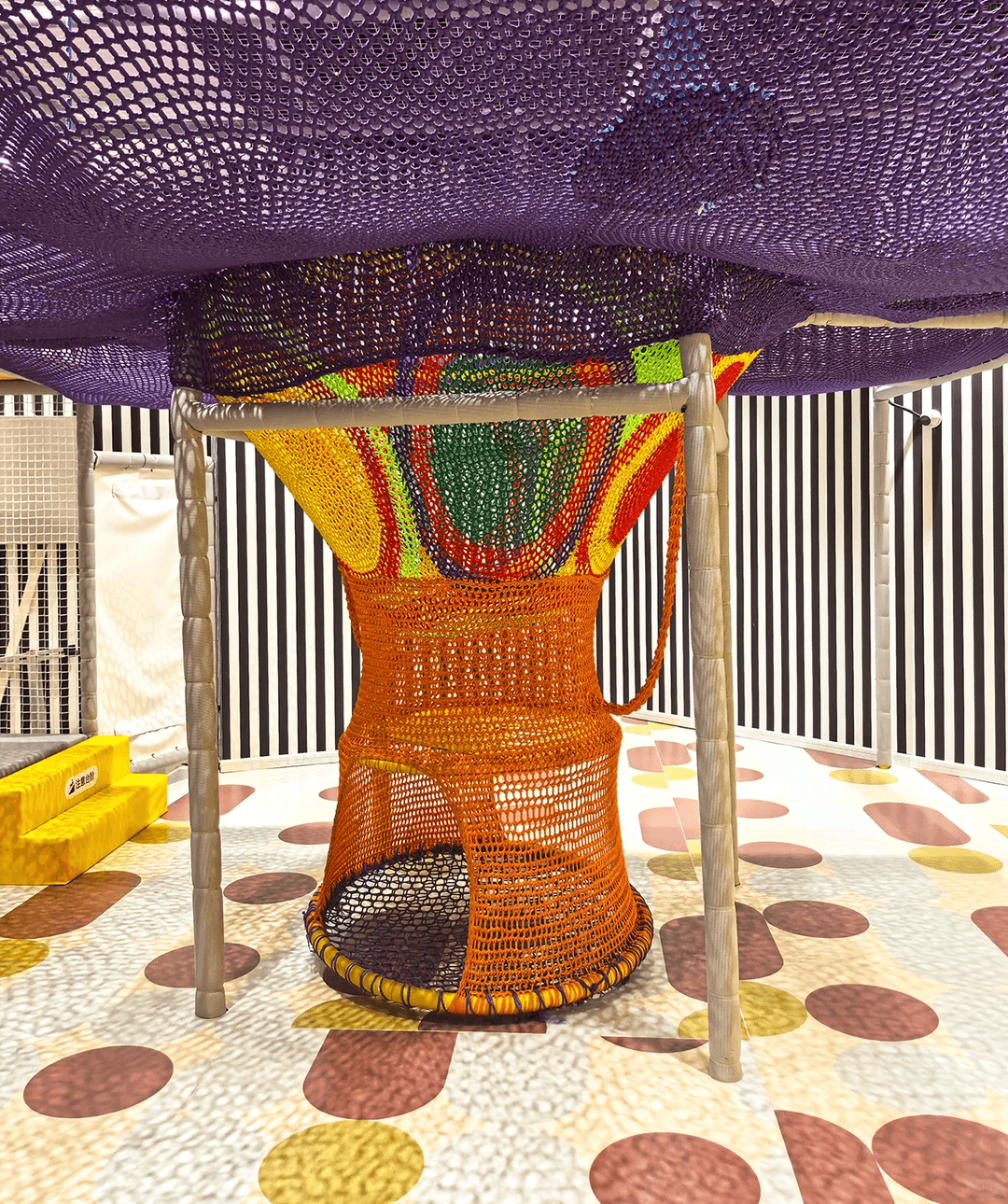
Balancing Safety Compliance with Revenue Objectives
While revenue maximization remains a priority, adherence to safety standards such as emergency exits, fire code regulations, and accessibility cannot be compromised. Integrating these requirements seamlessly within the layout prevents costly disruptions and fosters customer trust, indirectly supporting sustained profitability.
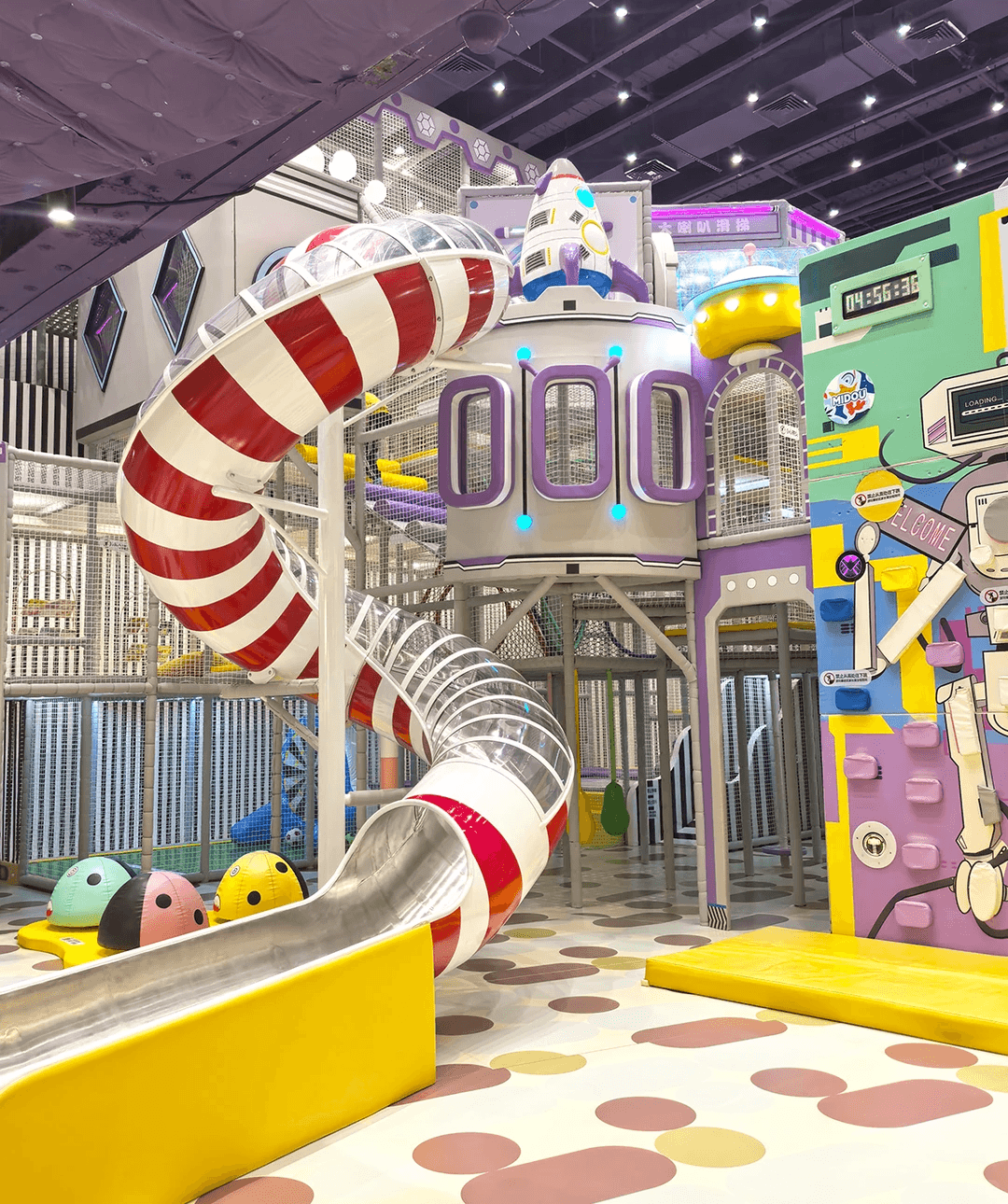
Impact of Aesthetic and Psychological Elements
The ambiance created through lighting, color schemes, and thematic decor significantly affects customer mood and spending behavior. Bright, inviting designs aligned with brand identity encourage longer visits, promoting higher transaction volumes. Hence, design elements beyond mere functionality play a subtle yet pivotal role in revenue amplification.