
FEC + Indoor Playground Combo Designs
The Unseen Dynamics of FEC + Indoor Playground Fusion
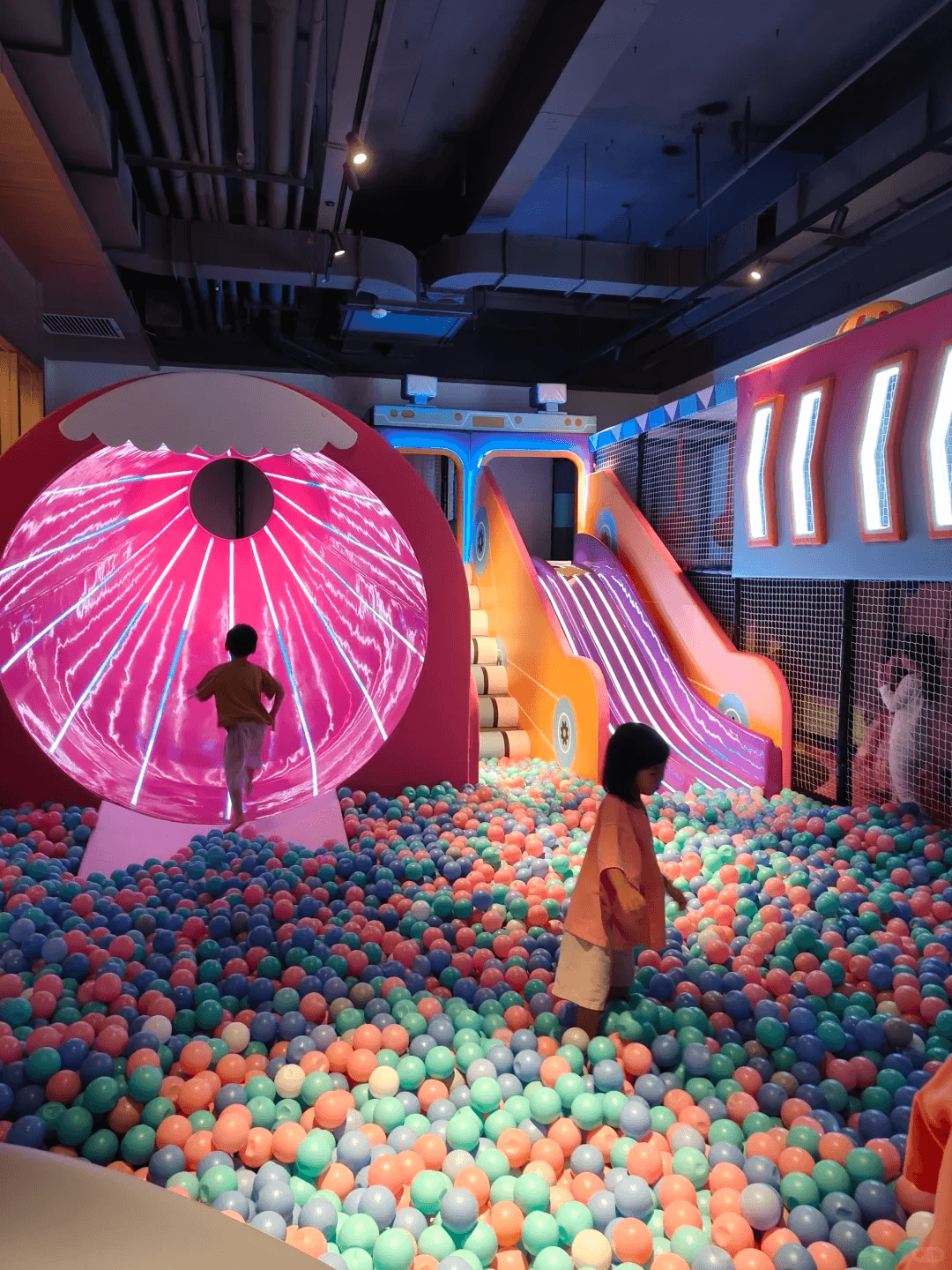
Picture this: a sprawling 12,000-square-foot venue where the hum of arcade machines blends seamlessly with the joyous screams echoing from a multi-level jungle gym. The Coolplay brand recently unveiled such a hybrid space in Houston, merging Family Entertainment Centers (FEC) with indoor playgrounds. It's not just an expansion—it's a paradigm shift.
Why Mix FEC and Indoor Playgrounds?
Traditional FECs like Dave & Buster’s or Main Event thrive on arcade games, laser tag, and immersive VR pods, catering mostly to tweens and adults. Meanwhile, indoor playgrounds such as KidZania or Monkey Joe’s focus on younger children, emphasizing physical activity and imaginative play. But what if these two realms coexist? Would it dilute either experience or create something revolutionary?
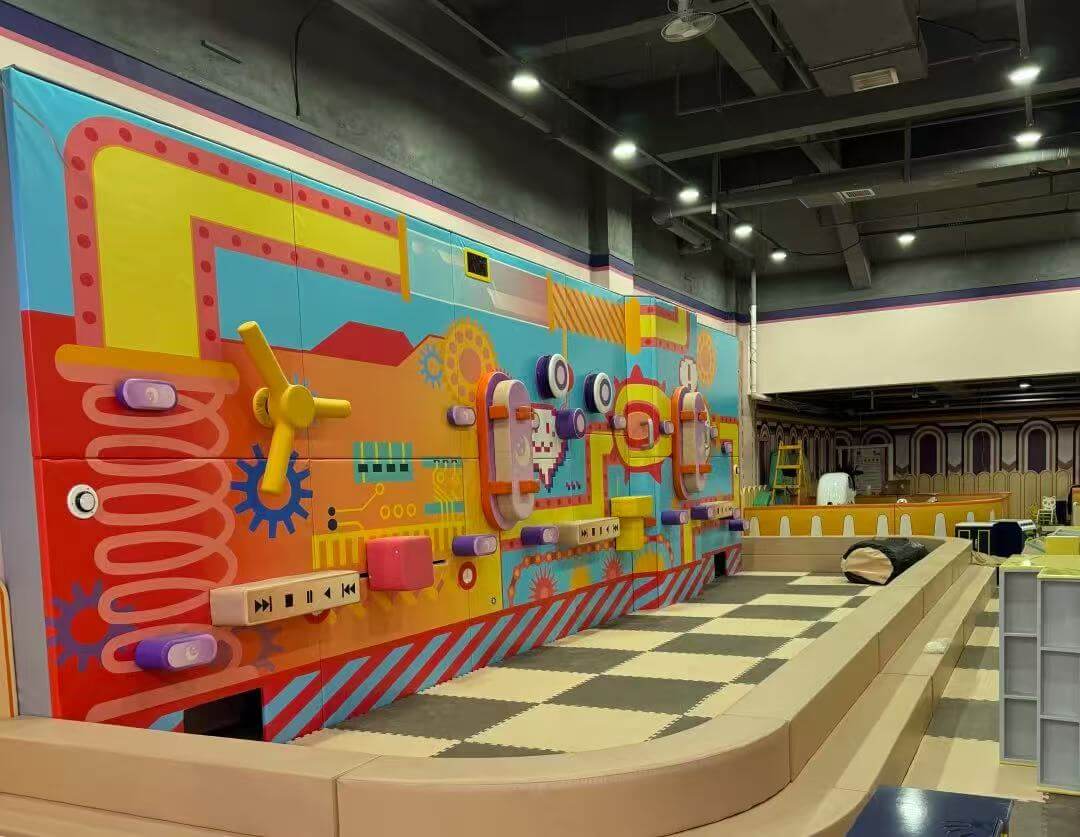
Absolutely revolutionary. Consider the Coolplay setup that integrates glow-in-the-dark climbing walls alongside redemption game zones. Kids aged 3 to 10 can simultaneously engage in gross motor skill development through slides and ropes while parents indulge in competitive air hockey challenges nearby. This synergy increases dwell time and ups per capita revenue. Is it magic? No—it's smart design.
The Architecture of Engagement: Complexity Meets Simplicity
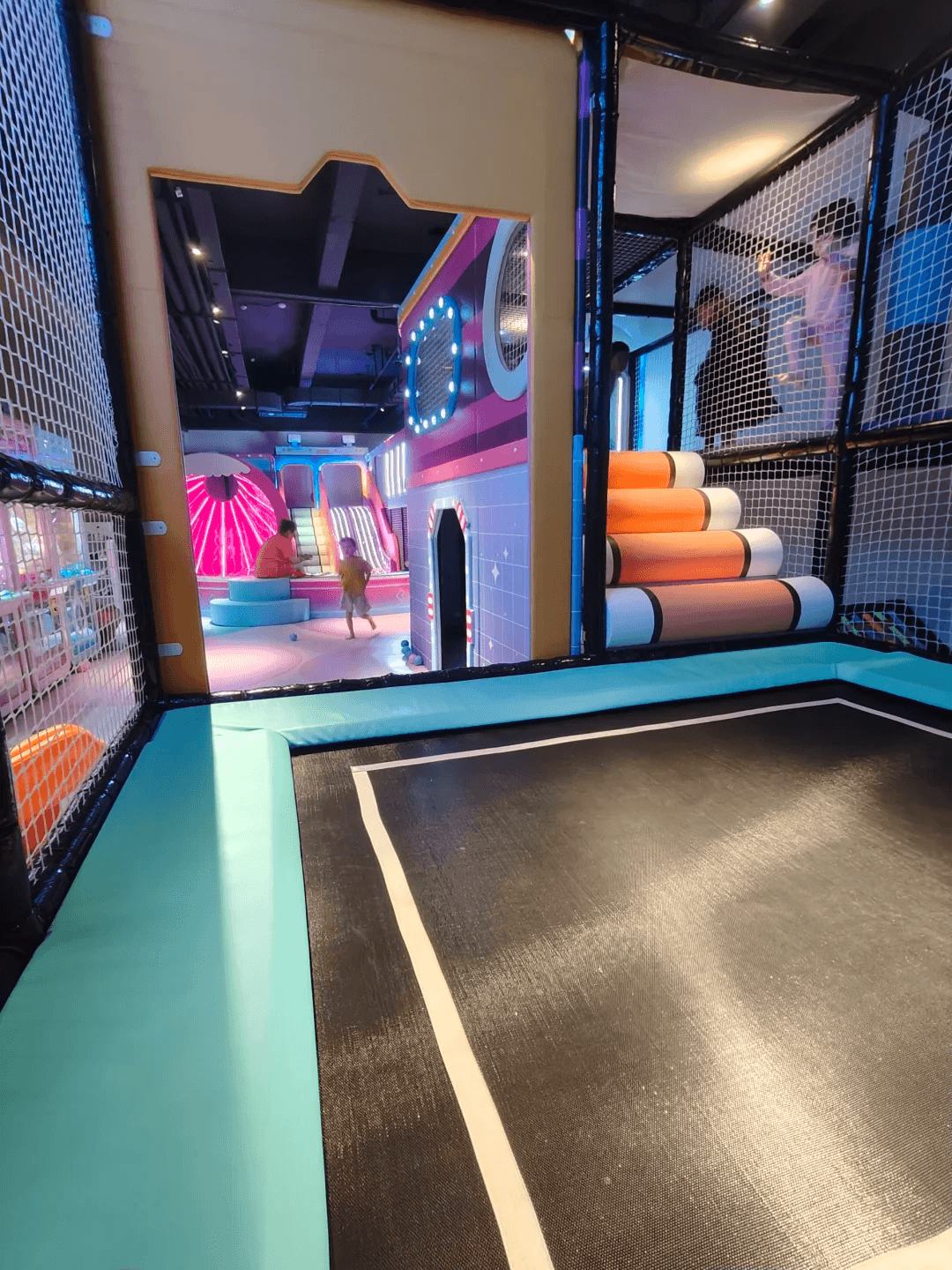
- Zone 1: Toddler-friendly padded arenas with interactive LED floors calibrated for sensory stimulation
- Zone 2: Mid-level challenge courses featuring balance beams and mini zip lines adjacent to ticket-redemption kiosks
- Zone 3: High-energy arcade lanes equipped with motion sensors and multiplayer connectivity
Such zoning demands intricate spatial planning. A recent case study involving a 15,000 sqft center in Dallas showed that integrating these zones with clear sightlines increased supervision efficiency by 27%. Yet, some operators complain about the upfront cost. But, really, would you skimp on safety and experience and then wonder why your FEC flops?
Tech Integration That Surprises
One of the less talked-about aspects is how RFID wristbands revolutionize both gameplay and playground access. The Coolplay system employs wristbands that track player scores across arcades and unlock different playground sections based on age and activity preferences. This personalization drives repeat visits and offers valuable data insights. For example, their analytics revealed that children who spent more than 20 minutes in climbing zones were 35% more likely to buy snacks afterward. Numbers never lie, but they do surprise.
The Financial Equation: More Than Just Fun
Consider this: traditional standalone FECs average $25 revenue per visitor, while indoor playgrounds hover around $18. Combined venues report an impressive $38 per head. Sounds like a no-brainer? Yet, beyond raw numbers lies the challenge of operational complexity. Staffing must be cross-trained; hygiene protocols double; marketing strategies must appeal to vastly different demographics concurrently. It’s a logistical beast few dare to tame—but those who do reap the rewards.
Breaking the Mold: The Coolplay Difference
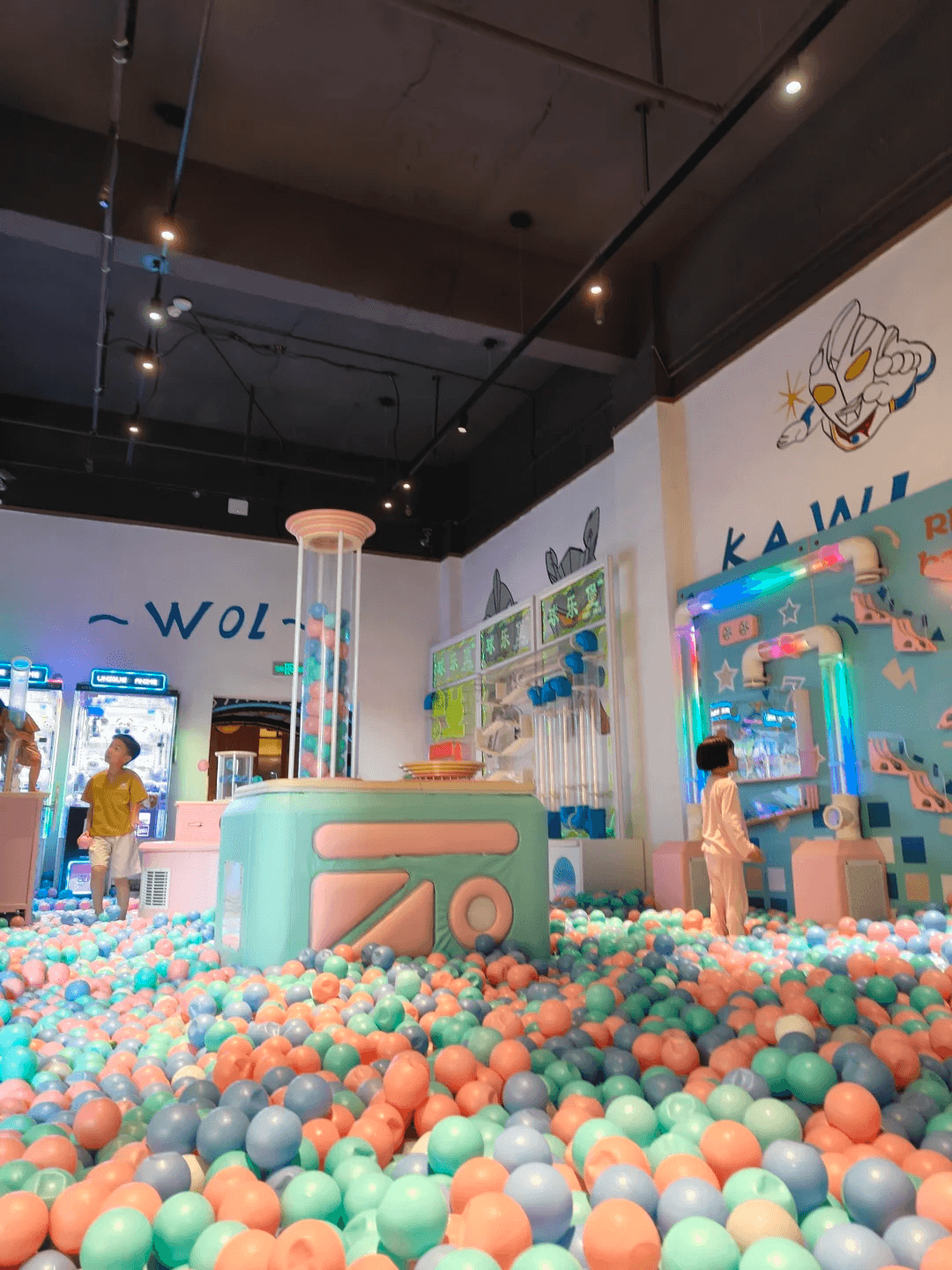
Unlike older models that simply juxtaposed playgrounds beside arcades, Coolplay's approach weaves elements together fluidly. Imagine a slide that ends inside a ball pit surrounded by interactive screens displaying high scores from nearby arcade games. Such interplay keeps children curious and engaged, blurring the line between physical and digital experiences. Isn’t this exactly what modern families crave—a seamless blend rather than isolated compartments?
Challenges Lurking in the Shadows
It's not all sunshine and rainbows. Noise management stands as a significant hurdle. When kids scream and arcade buzzes collide, auditory overload is inevitable. Some places combat this by using sound-absorbing materials and segmented zones, but these solutions inflate budgets. Moreover, liability concerns grow exponentially; with diverse activities comes increased risk of injury, demanding rigorous insurance policies and training regimens. Does this complexity discourage operators? Sometimes, yes. But the winners are those who innovate beyond mere convenience.
Looking Ahead: What’s Next?
Will virtual reality climbing gyms replace physical ones? Could AI-powered obstacle courses adapt difficulty in real-time? The trajectory suggests more integration, more customization, and definitely more surprises. And if brands like Coolplay keep pushing boundaries, the future of FEC + indoor playground combos will be anything but predictable.