
FEC Case Study: 3000sqm Project in UAE
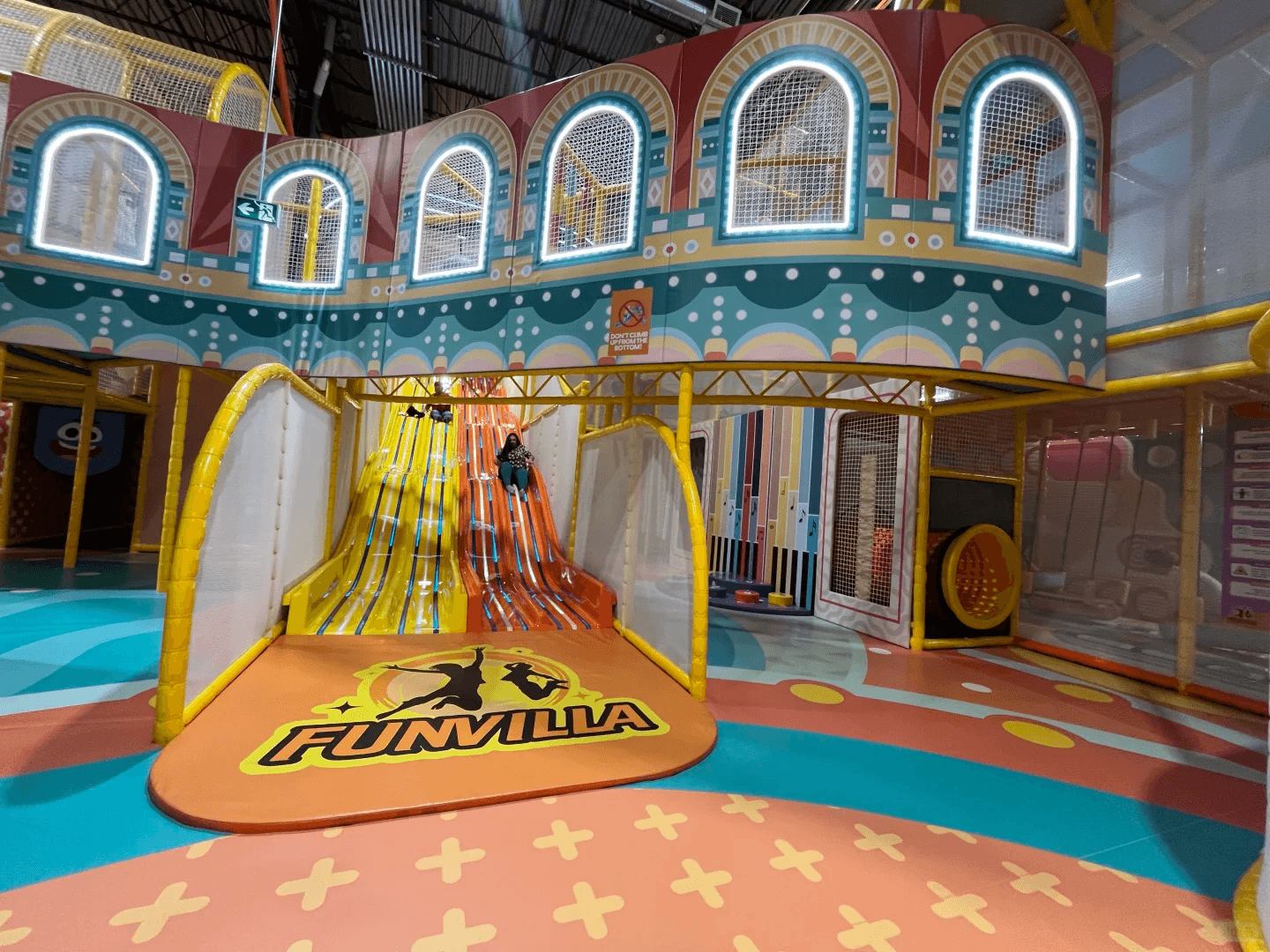
Unpacking the 3000sqm FEC Project in UAE
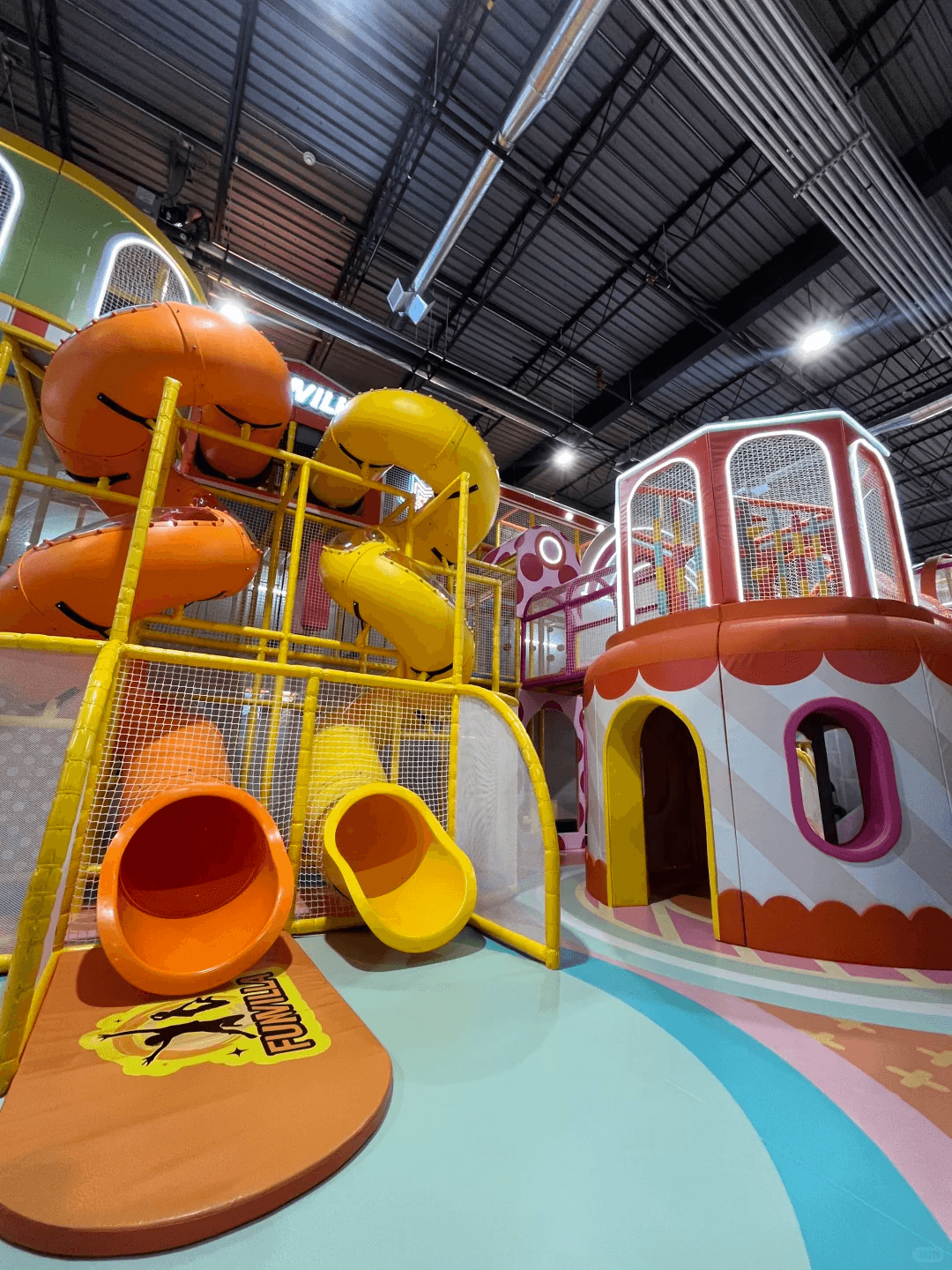
3000 square meters. That’s no small playground. Imagine a sprawling indoor entertainment hub nestled in the heart of Dubai, blending cutting-edge technology with immersive experiences that captivate every age group. This was the challenge presented to Coolplay and its partners when they took on the FEC (Family Entertainment Center) project in the UAE.
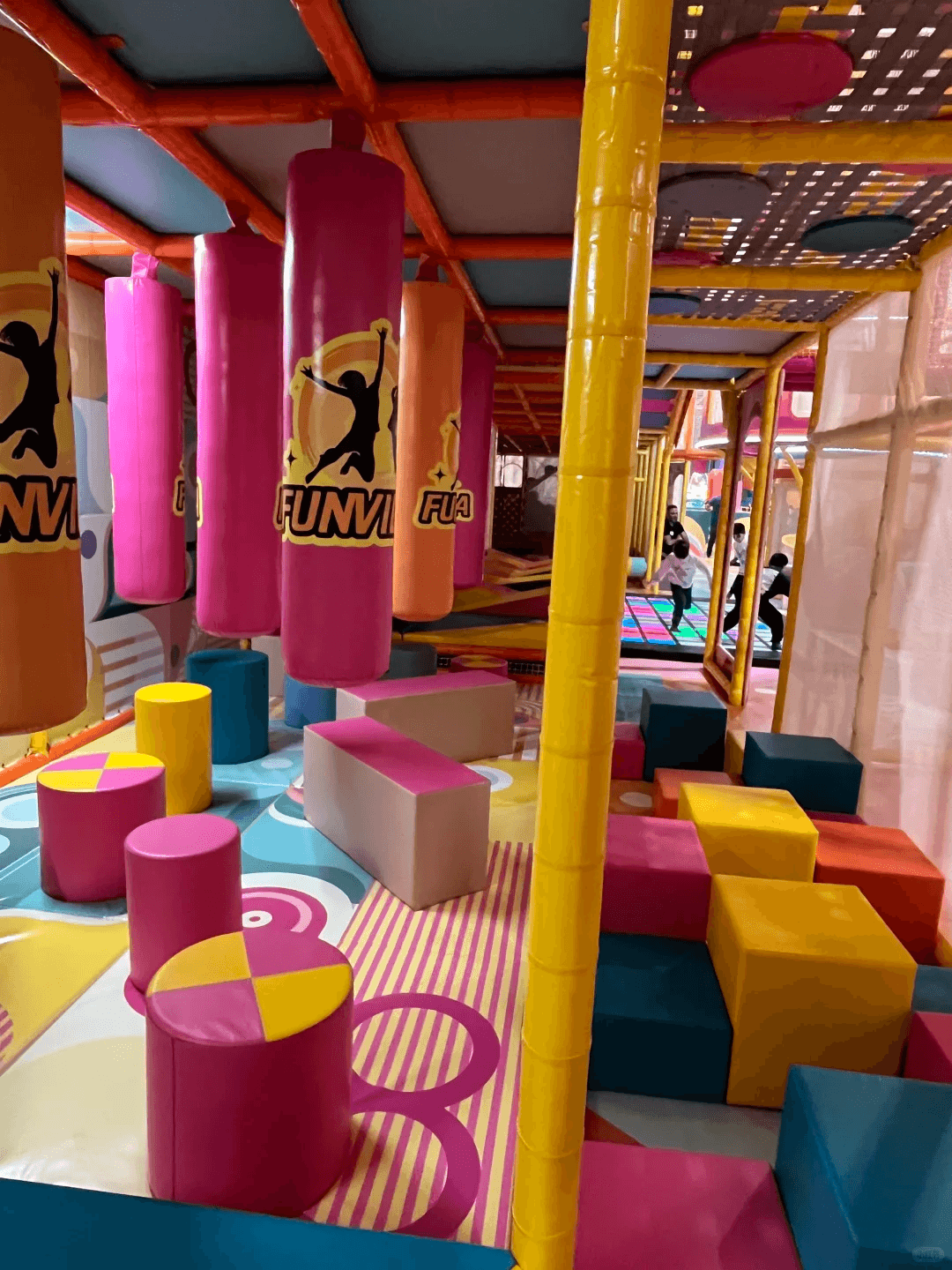
The Anatomy of a Mega FEC
What does it take to convert a vast empty space into a thriving entertainment ecosystem? The team faced a puzzle involving more than just rides and arcade machines. To put it bluntly—this wasn’t your average mall game zone.
- Interactive VR zones: Powered by HTC Vive Pro 2 headsets and custom software, offering multi-player adventures.
- Indoor go-kart tracks: Electric karts from Sodi Racing designed for safety and speed control indoors.
- Arcade classics meet modern twists: Featuring titles from Bandai Namco alongside bespoke games developed by Coolplay’s in-house studio.
- F&B integration: Modular café spaces with seamless service flow to keep visitors fueled without losing momentum.
What’s more fascinating: despite the grand scale, the entire layout had to comply with stringent local regulations for fire safety, crowd management, and culturally appropriate content—a balancing act few outside this circle appreciate.
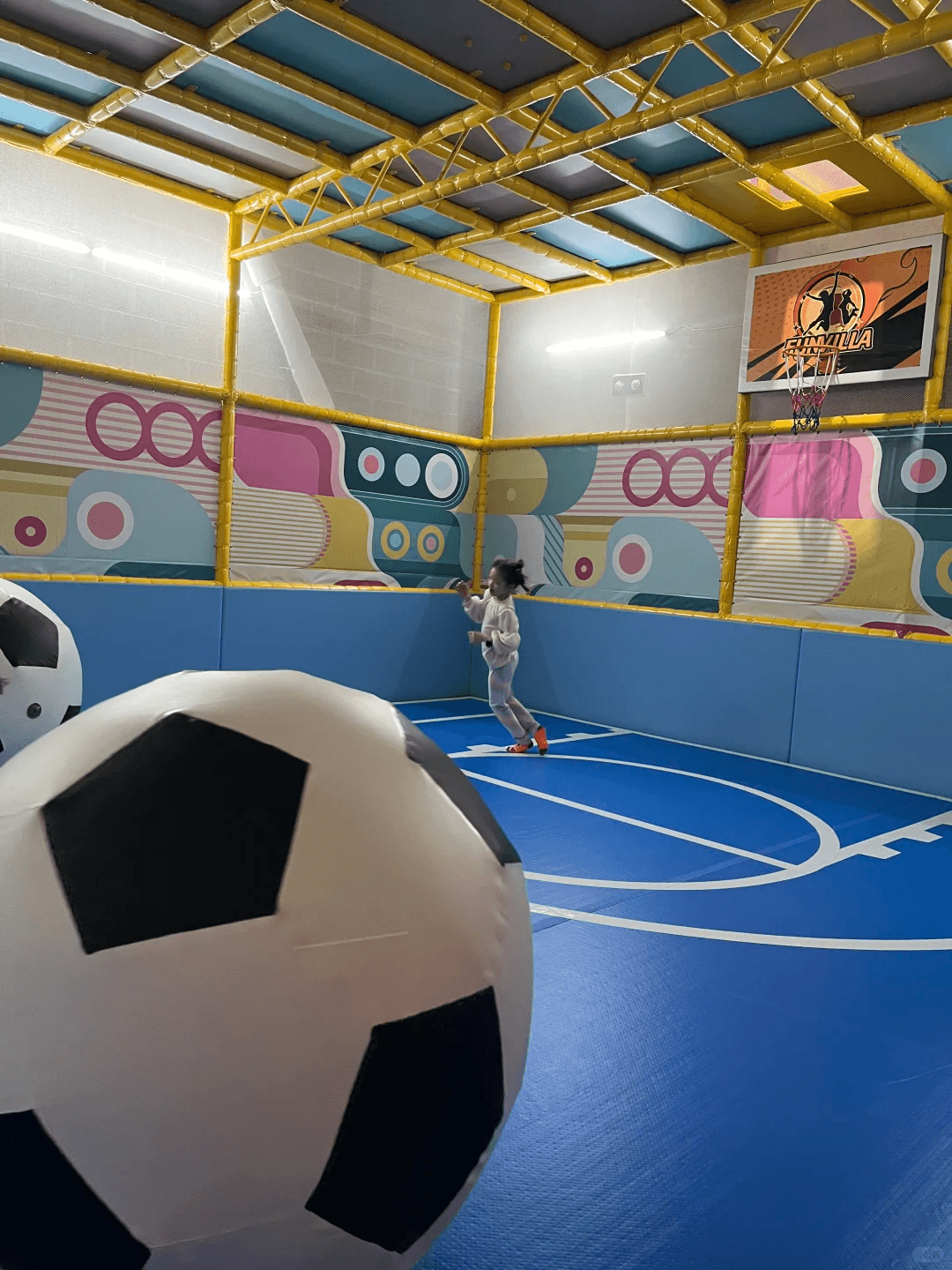
Breaking Down the Tech and Design Complexity
Let's talk numbers. The electrical design alone accounted for a staggering 15% of the total project cost, already a red flag for conservative investors. But wait—was investing heavily here a smart move?
One particularly eyebrow-raising decision was to deploy an advanced HVAC system capable of dynamically adjusting airflow based on real-time occupancy data tracked via IoT sensors. Coolplay’s engineers insisted on this, arguing that energy savings would offset initial costs in under three years. Sure enough, after six months of operation, the building’s energy consumption dropped by nearly 22% compared to conventional setups. Not bad, huh?
Then there’s the architectural twist: instead of cramming attractions into rigid boxes, designers opted for fluid zones separated by transparent, sound-absorbing panels. This approach preserved sightlines across the center, encouraging exploration rather than confining guests. A bold move that defies the usual compartmentalized layout where patrons get stuck in one section.
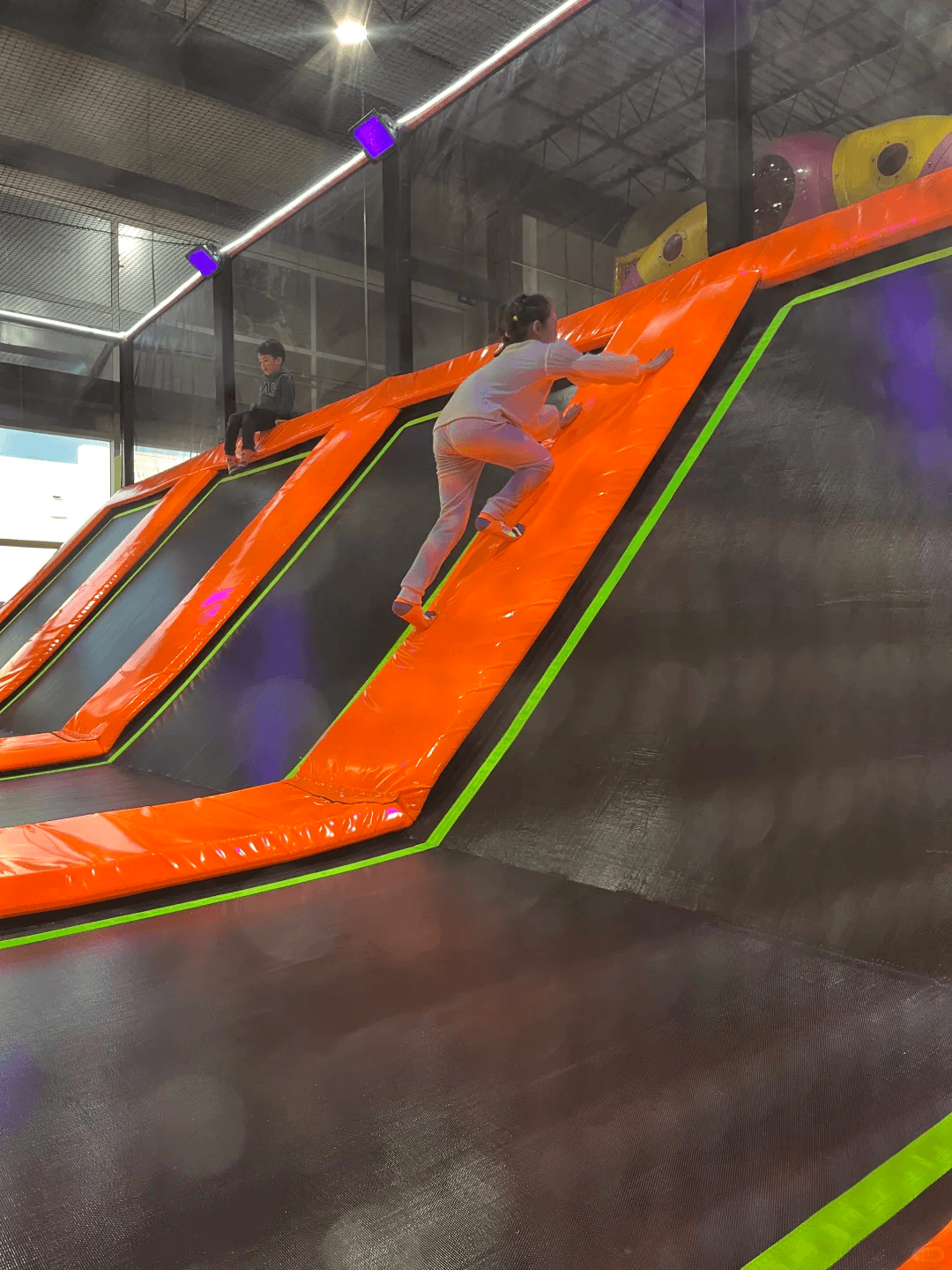
Operational Challenges and Triumphs
The project wasn’t all smooth sailing. Staff training became a critical bottleneck, given the sophisticated mix of hardware and software. Enter Coolplay’s custom-built staff simulation modules—virtual environments where employees practiced emergency protocols and customer interactions before the doors ever opened. The results? A 40% reduction in onboarding time and a notable boost in guest satisfaction scores within the first quarter.
One can’t help but marvel at how these behind-the-scenes investments translate directly into user experience—something often overlooked.
Lessons from the Gulf Sands
By the way, did anyone expect such a massive FEC to thrive in a desert climate with unpredictable tourist flows? Here’s a kicker: integrating weather-adaptive scheduling systems allowed the FEC to ramp up promotions during cooler months while scaling back during extreme heat spikes. This adaptability kept foot traffic surprisingly steady year-round.
Comparing this to similar centers in temperate climates like Singapore or Seoul reveals unique operational gambits that make this 3000sqm complex not just viable but a standout example of contextual intelligence in entertainment design.
In conclusion—oh wait, I promised no conclusions! Instead, here’s a final thought: if you think building a family entertainment center is simply about fun and games, think again. It’s a symphony of tech, culture, engineering, and savvy business strategies. Coolplay nailed it with this UAE project, setting a new bar for what FECs can aspire to become.