
FEC Business Plan for Beginners
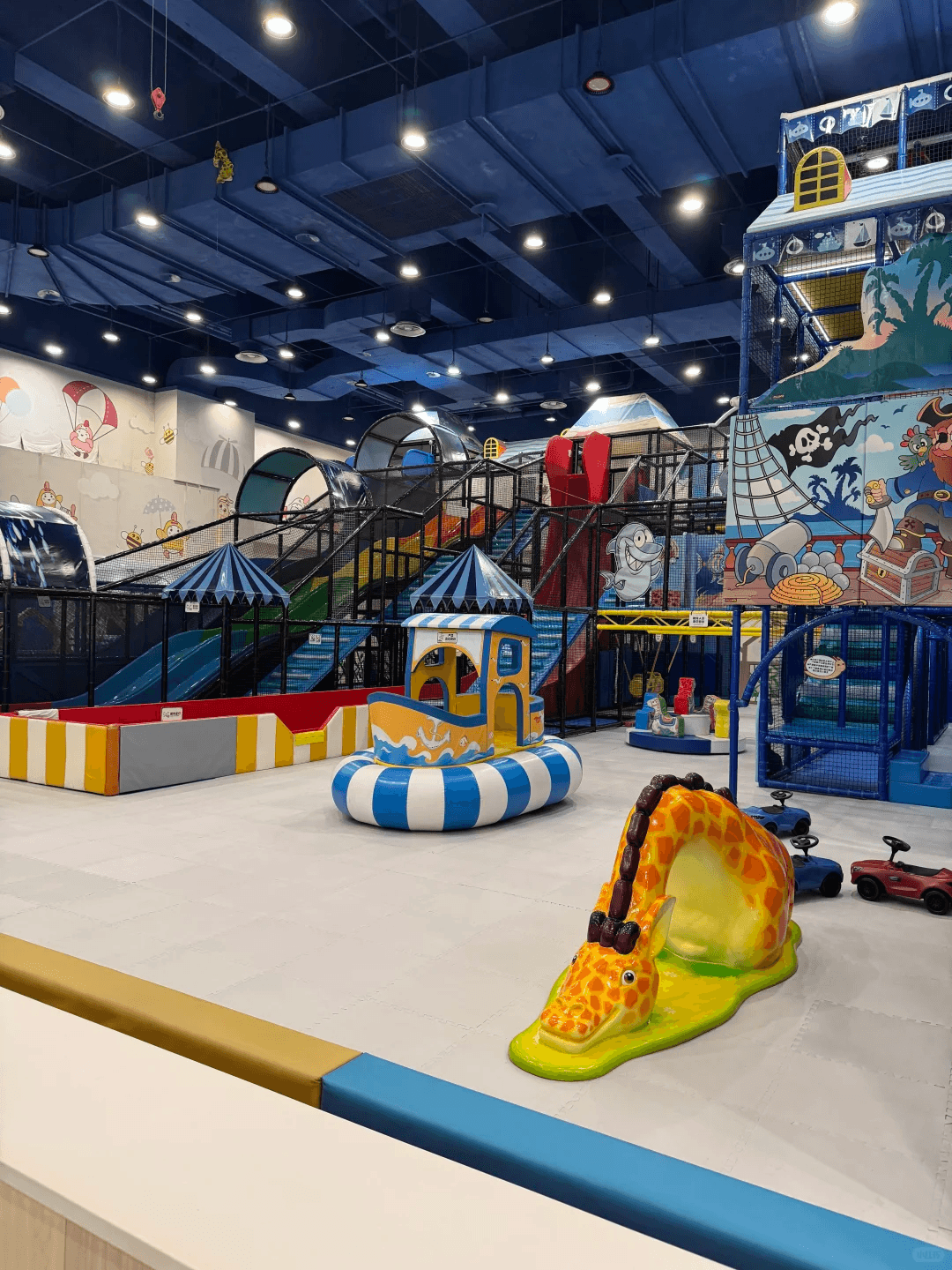
Understanding the FEC Industry Landscape
Family Entertainment Centers (FECs) are evolving rapidly, blending traditional amusement options with modern tech-driven attractions. For newcomers, grasping these shifts is crucial—it's no longer just about arcade games and bumper cars; it's about creating an immersive, multi-experience environment that appeals across age groups.
In fact, the rise of interactive VR setups and hybrid entertainment zones means your business plan needs to reflect both innovation and a solid understanding of customer preferences. Brands like Coolplay have set new benchmarks by integrating seamless digital experiences with classic fun elements.
Key Components of an Effective FEC Business Plan
An FEC business plan serves as your operational blueprint and financial roadmap. Here’s what to prioritize:
- Market Analysis: Dive deep into local demographics, competition, and leisure trends. Who is your target audience? Families, teens, corporate groups?
- Concept & Theme: Define your center's unique selling proposition. Are you focusing on high-tech attractions, family-friendly play zones, or perhaps a mix?
- Location Assessment: Traffic flow, accessibility, parking, and proximity to complementary businesses can make or break foot traffic numbers.
- Revenue Streams: Beyond admission fees, consider food and beverage sales, birthday party packages, merchandise, and membership programs.
- Cost Structure: Initial capital for equipment, lease expenses, staffing costs, and ongoing maintenance need careful projection.
- Marketing Approach: Outline strategies from social media engagement to local partnerships—leveraging influencers and community events can be game changers.
Crafting a Realistic Financial Model
Many beginners underestimate the complexity of FEC finances. It’s more than just counting ticket sales; think in terms of varied pricing tiers, seasonal fluctuations, and promotional discounts. A conservative revenue estimate paired with a buffer for unforeseen expenses is advisable.
Don't overlook cash flow timing—equipment upgrades or licensing fees might hit unexpectedly. The best plans incorporate detailed monthly forecasts for at least the first two years.
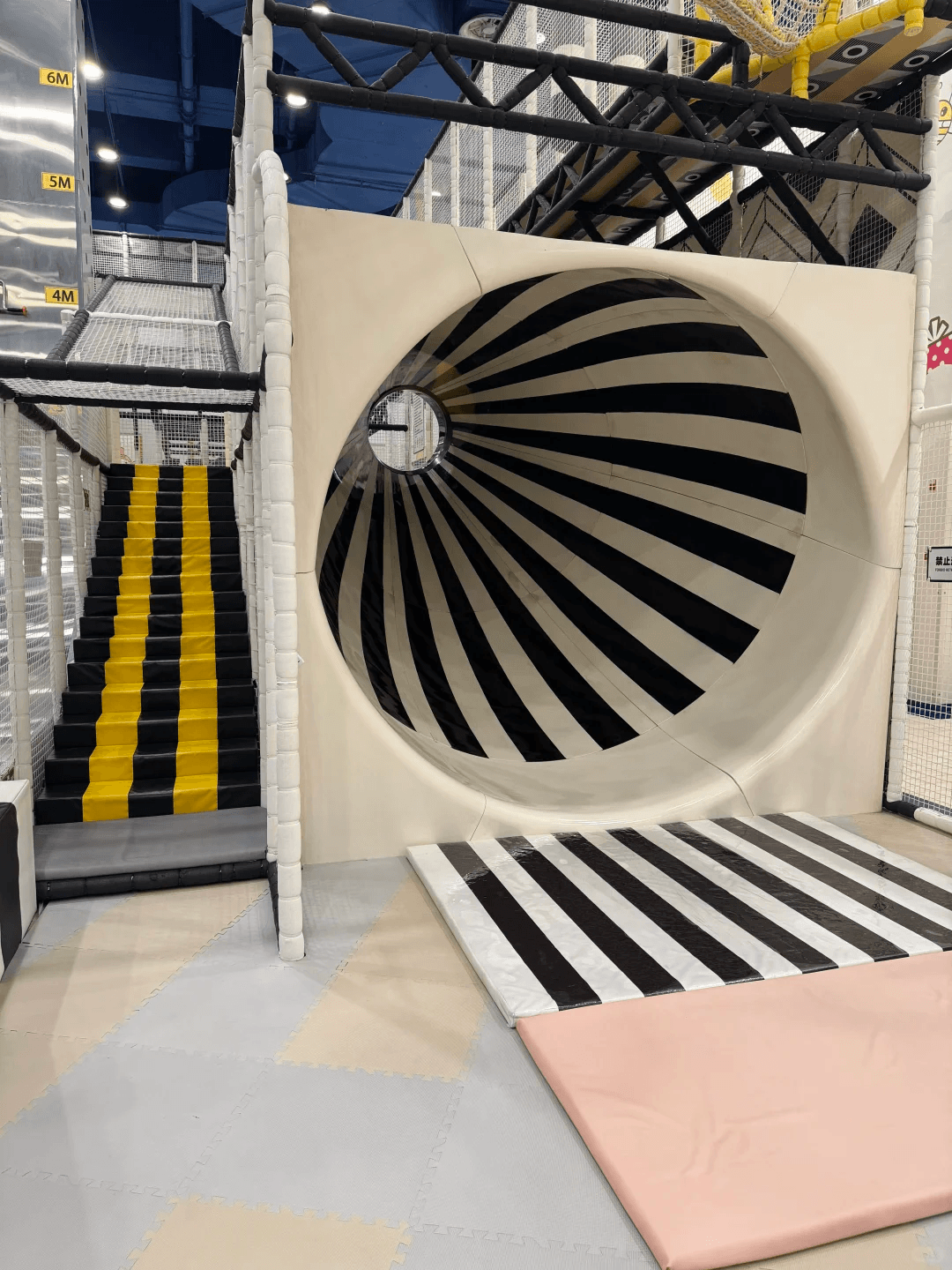
Operational Considerations for First-Timers
Running an FEC isn’t merely managing machines—it’s orchestrating an experience. Staffing is a critical piece: frontline employees directly influence guest satisfaction, so invest in thorough training programs.
- Safety Protocols: Regular maintenance schedules and compliance with safety standards protect patrons and limit liability.
- Technology Integration: From POS systems to guest tracking apps, digital tools streamline operations and offer valuable data insights.
- Customer Engagement: Loyalty programs and realtime feedback loops help retain visitors and adapt offerings swiftly.
Why Flexibility Matters
The entertainment industry is dynamic, and FECs must pivot swiftly. Actually, I’ve seen startups thrive simply because they remained agile—adjusting attraction mixes, updating marketing messaging, or even repurposing spaces based on guest feedback.
A rigid plan is a recipe for missed opportunities. Be ready to evolve.
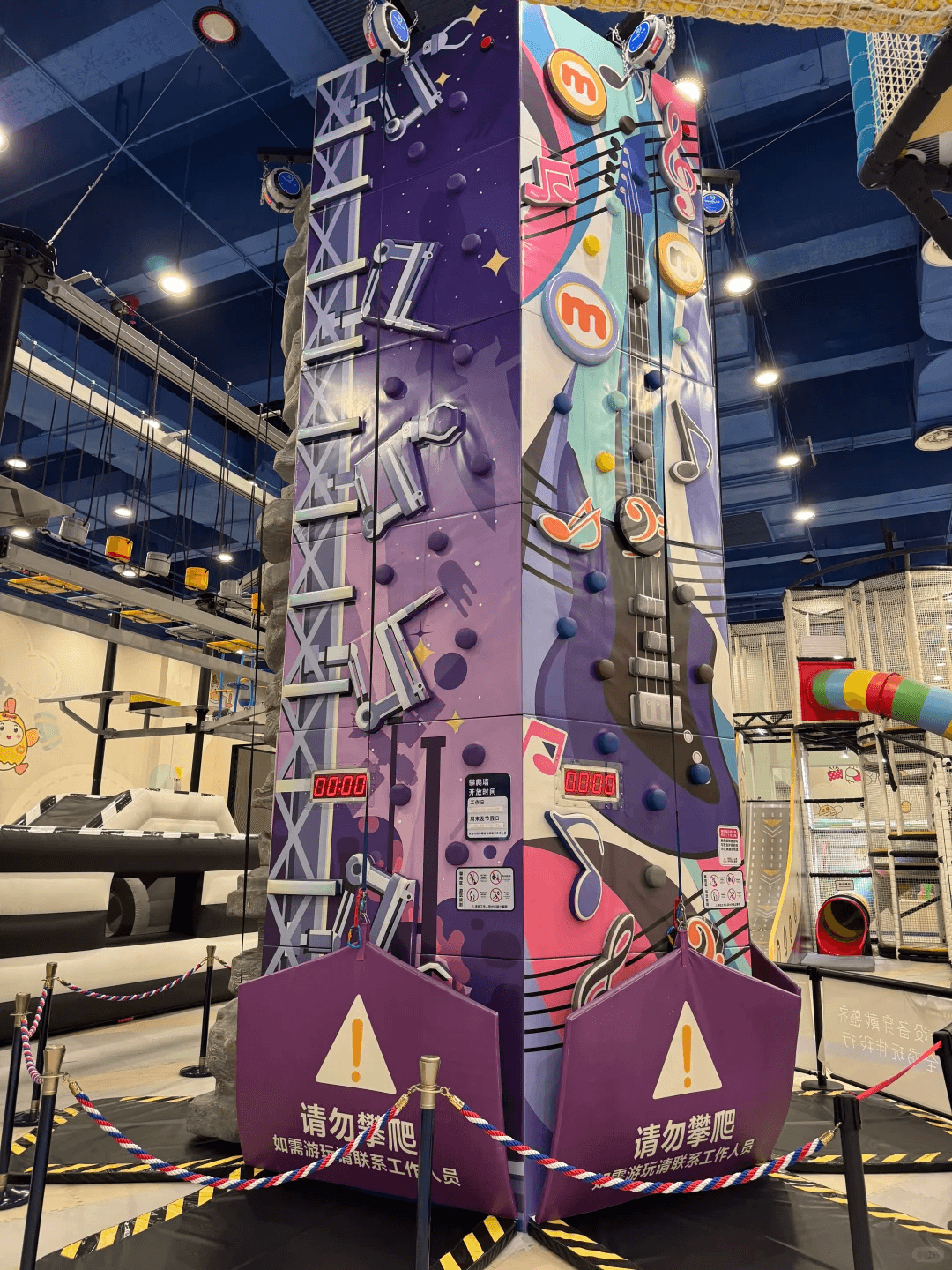
Leveraging Branding and Partnerships
Brand identity can differentiate your FEC in a crowded market. Partnerships with local schools, sports teams, or popular brands like Coolplay can amplify credibility and drive traffic.
Moreover, co-branded events and sponsorships create buzz and foster community ties, which are vital for sustained growth.
Final Notes on Planning Success
Starting an FEC business might seem daunting, but a well-structured plan anchors your ambitions to achievable goals. Remember, this document isn’t static—treat it as a living guide that grows with your enterprise.
Keep revisiting your assumptions, embrace innovation, and most importantly, keep the guest experience at the heart of every decision.