
Climbing Wall Design Inspiration Ideas
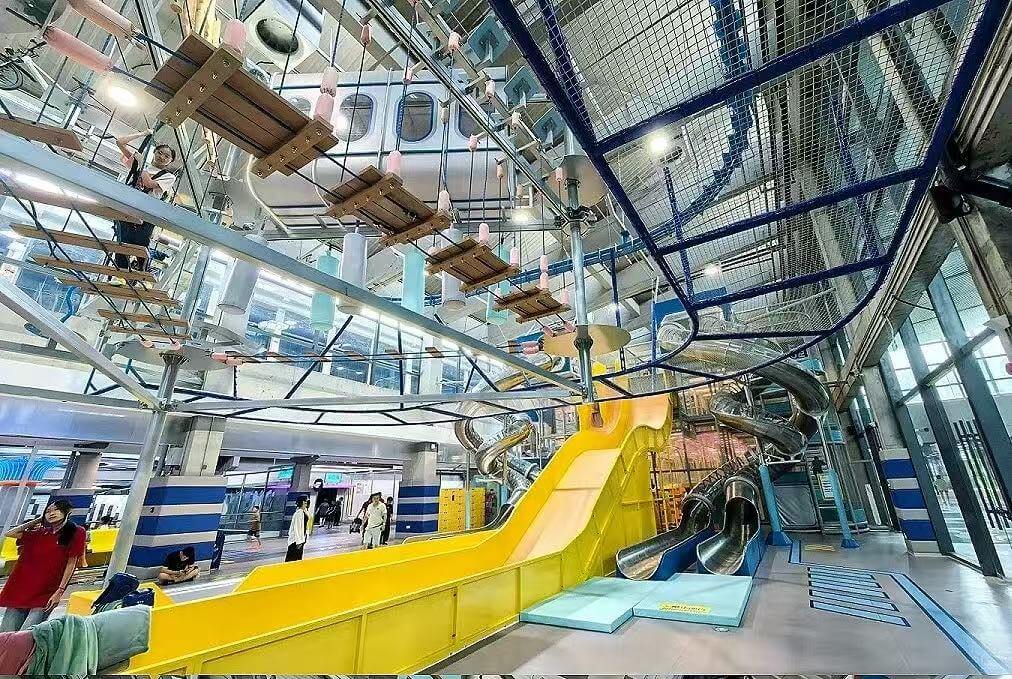
When Vertical Meets Vision
Imagine a climbing wall that doesn’t just challenge your muscles but also teases your imagination. Sounds wild? Yet, in 2023, Coolplay unveiled its neo-tectonic series—an indoor climbing wall designed not only with modular panels but also embedded with AR sensors that adapt routes based on climber performance. This transformation from static to dynamic design redefines what a climbing experience can be.
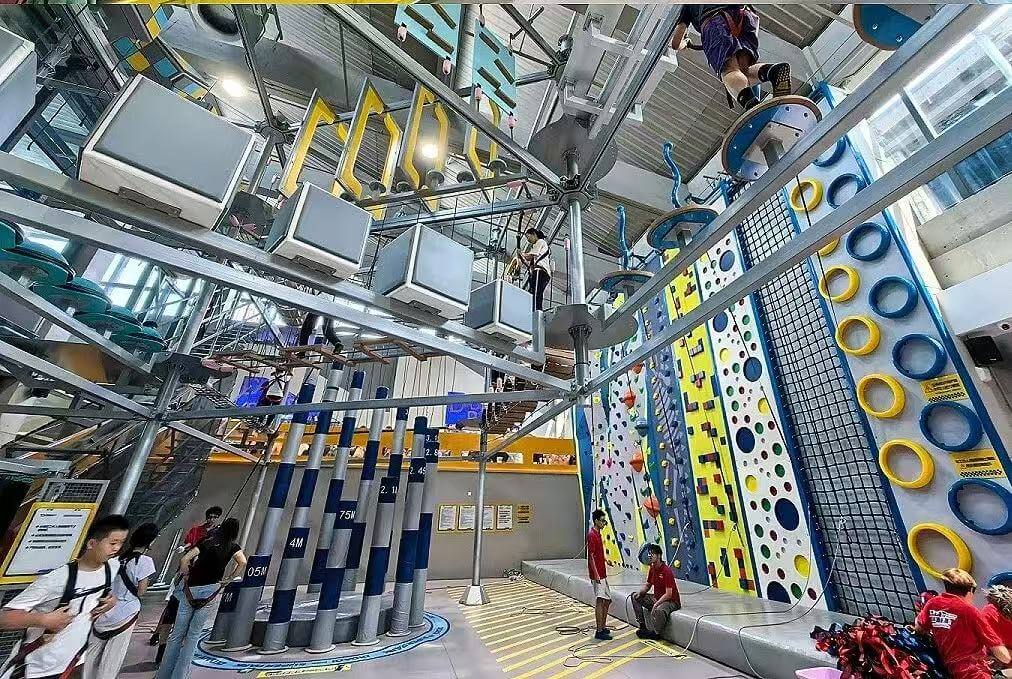
The Geometry of Challenge
The days of simple flat planes are long gone. Walls now curve, bulge, and pinch. Take the Geodome 360, a structure whose facets resemble a fractured crystal, each panel angled precisely to test different grip techniques. At one fitness expo, a climber noted, “It felt like the wall was alive—twisting as I moved!” The use of non-Euclidean geometry here is no accident but an intentional push against climbers’ spatial reasoning.
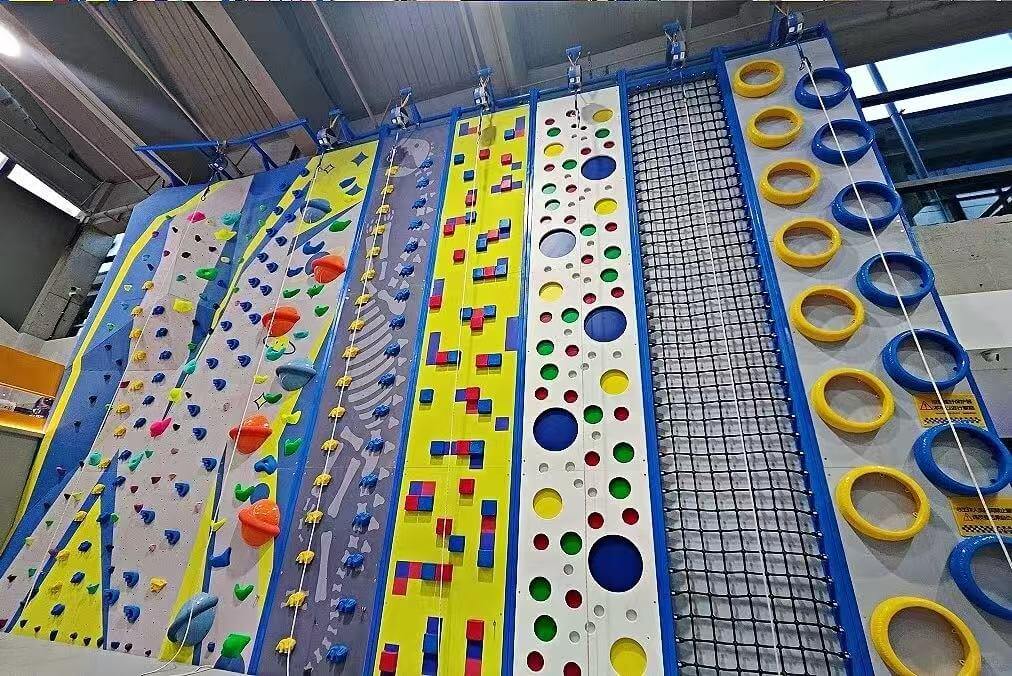
Materials That Tell Stories
- Textured Resin Holds: Mimicking rock types from quartz to sandstone, these holds provide tactile variety.
- Recycled Wood Panels: Giving warmth and environmental ethics a voice.
- Smart Polymers: Surfaces that shift friction levels under specific temperatures or humidity, challenging even expert grip strength.
One might ask, why stop at traditional plywood and fiberglass? Because innovation whispers louder than convention. Coolplay’s recent collaboration with material scientists led to panels that change color based on sun exposure or sweat contact, making every climb uniquely visual and sensorial.
Lighting: Not Just Illumination
Think of LED strips embedded along edges, creating shadows and highlights that alter perception. In a Tokyo climbing gym, controlled lighting turned a bouldering wall into an interactive art installation where climbers followed light paths instead of numbered routes. Brilliant? Absolutely. Practical? Only if you dare to rethink what “route” means.
Incorporating Nature Inside
Why should outdoor climbing have all the fun? Faux moss patches, artificial vines, and water mist systems simulate damp cliff faces within gyms. An anecdote from a Boulder CO facility tells of a climber who swore the fresh moss scent triggered better focus—pseudo-biophilia at work? Maybe so. These elements blend biophilic design principles with high-adventure sports, giving urban climbers a taste of wilderness without leaving the city.
Case Study: Coolplay’s Urban Ascent Wall
Located in downtown Chicago, this project combined many of these ideas into a single vertically sprawling mega-wall. Measuring 30 feet in height and equipped with over 500 custom holds, it integrates:
- AR route mapping
- Dynamic hold textures
- Adaptive lighting schemes
- Eco-conscious material sourcing
The result? A wall that shifts daily challenges for climbers while minimizing environmental footprint. It’s not just a playground. It’s a proving ground.
Why Break the Mold?
Because climbing isn’t merely physical. It’s mental, emotional, and yes, aesthetic. Who decided walls must be dull rectangles anyway? To quote a seasoned route setter: “If the wall bores me, it’ll bore the climber.” Bold statement. Yet, every innovative design decision by brands like Coolplay pushes this boundary further. Isn’t it time we stopped thinking about climbing walls as mere structures and more as immersive, evolving experiences?