Affordable Sensory Play Equipment Sets
Understanding the Value of Sensory Play Equipment
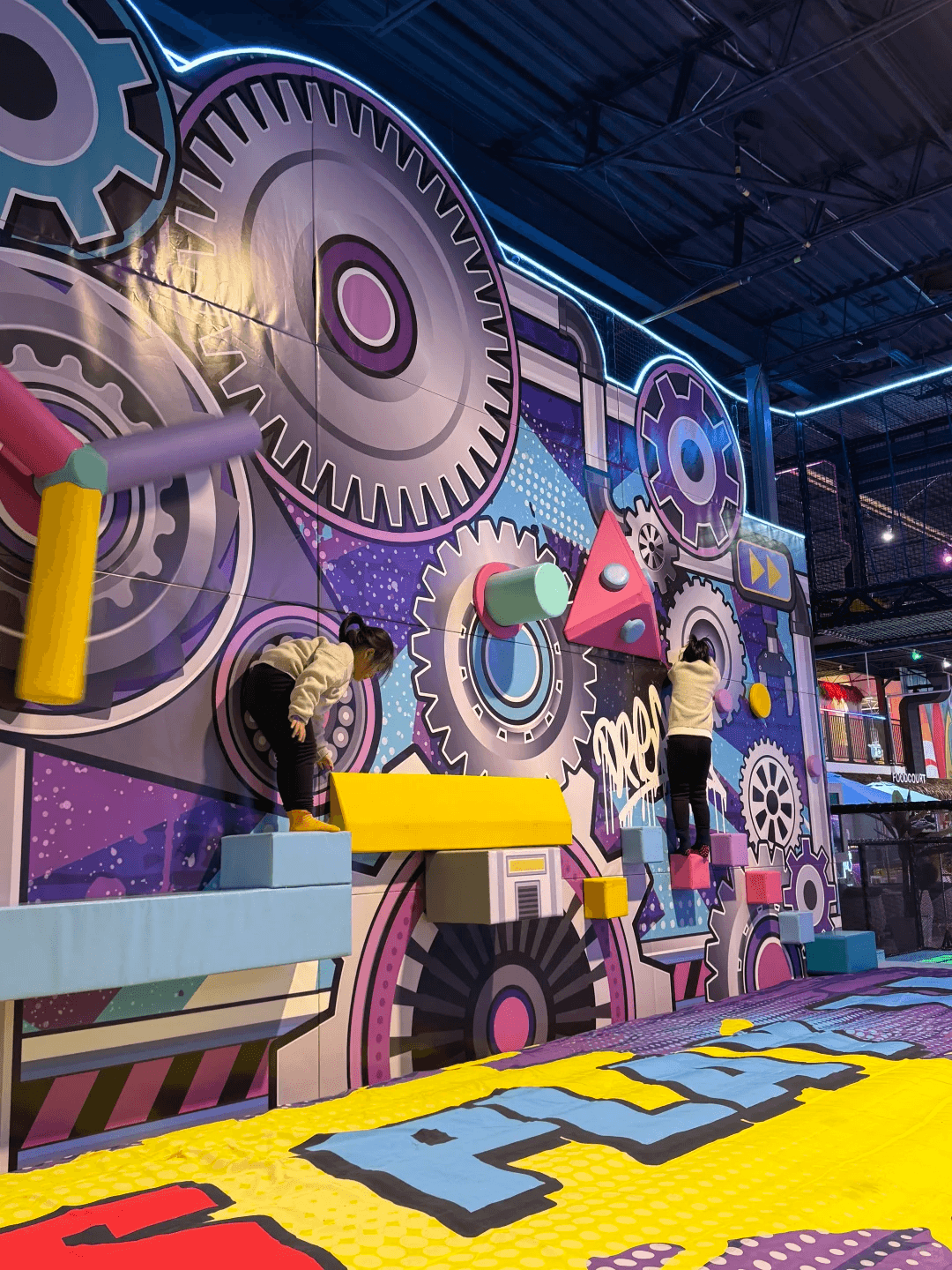
Sensory play is more than just a buzzword in early childhood development—it’s a crucial aspect of how kids interact with and learn about their environment. The right sensory equipment can stimulate tactile, auditory, and visual senses, which supports cognitive growth, motor skills, and emotional regulation. But high-quality sensory sets often come with a hefty price tag, making affordability a key concern for educators and parents alike.
What Makes Sensory Play Equipment Affordable Yet Effective?
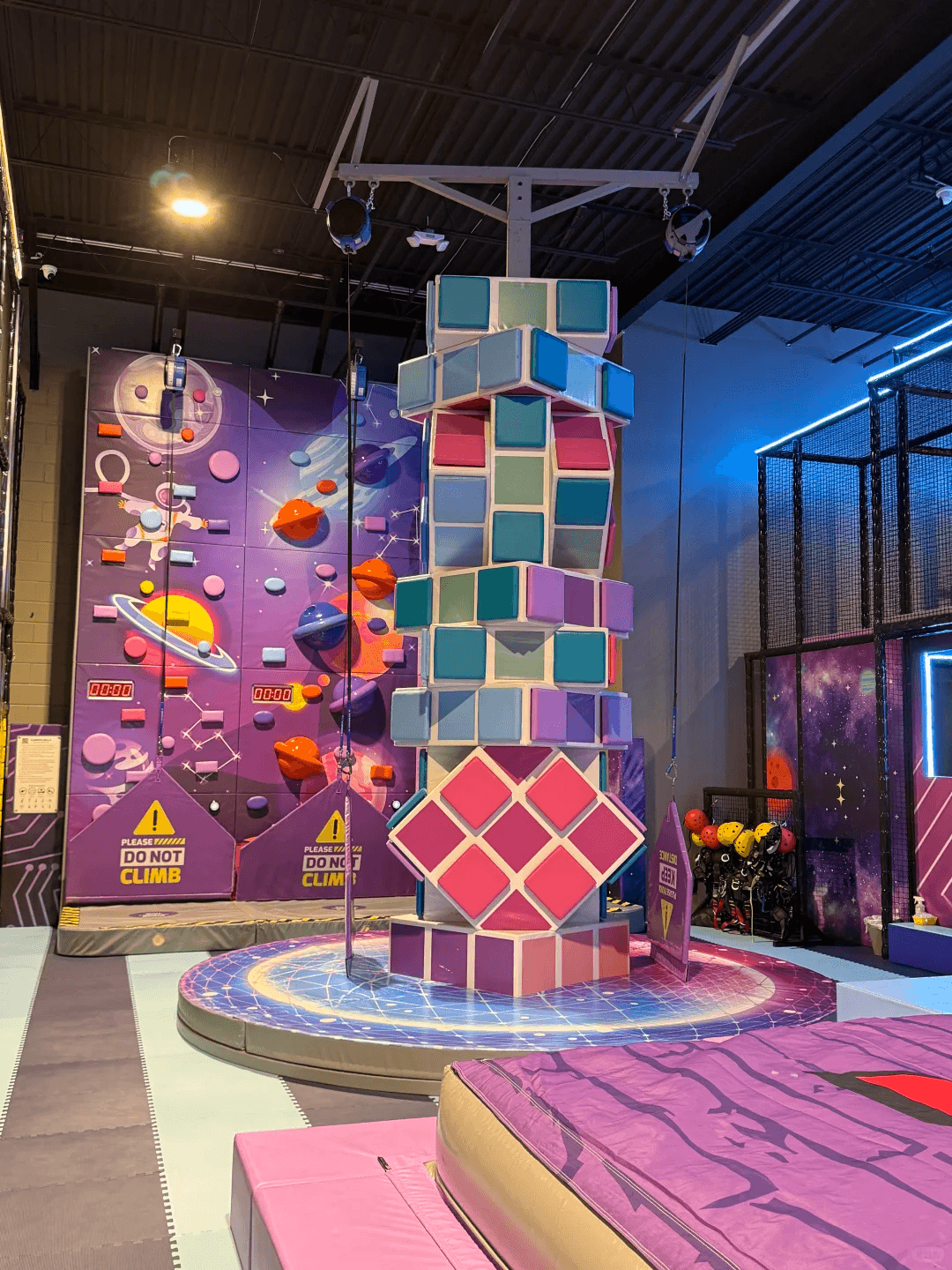
Affordable sensory play equipment doesn’t necessarily mean cheap or low quality. Instead, these sets focus on materials and designs that maximize engagement without breaking the bank. When sourcing affordable options, consider:
- Durability: Look for equipment made from sturdy, child-safe materials like BPA-free plastics or sustainably sourced wood.
- Variety: A good set should include multiple textures and interactive features—think beads, fabrics, sliders, wheels.
-
Size & Portability:
Compact kits that are easy to store and transport encourage more frequent use.
Modular Designs Encourage Long-Term Interest
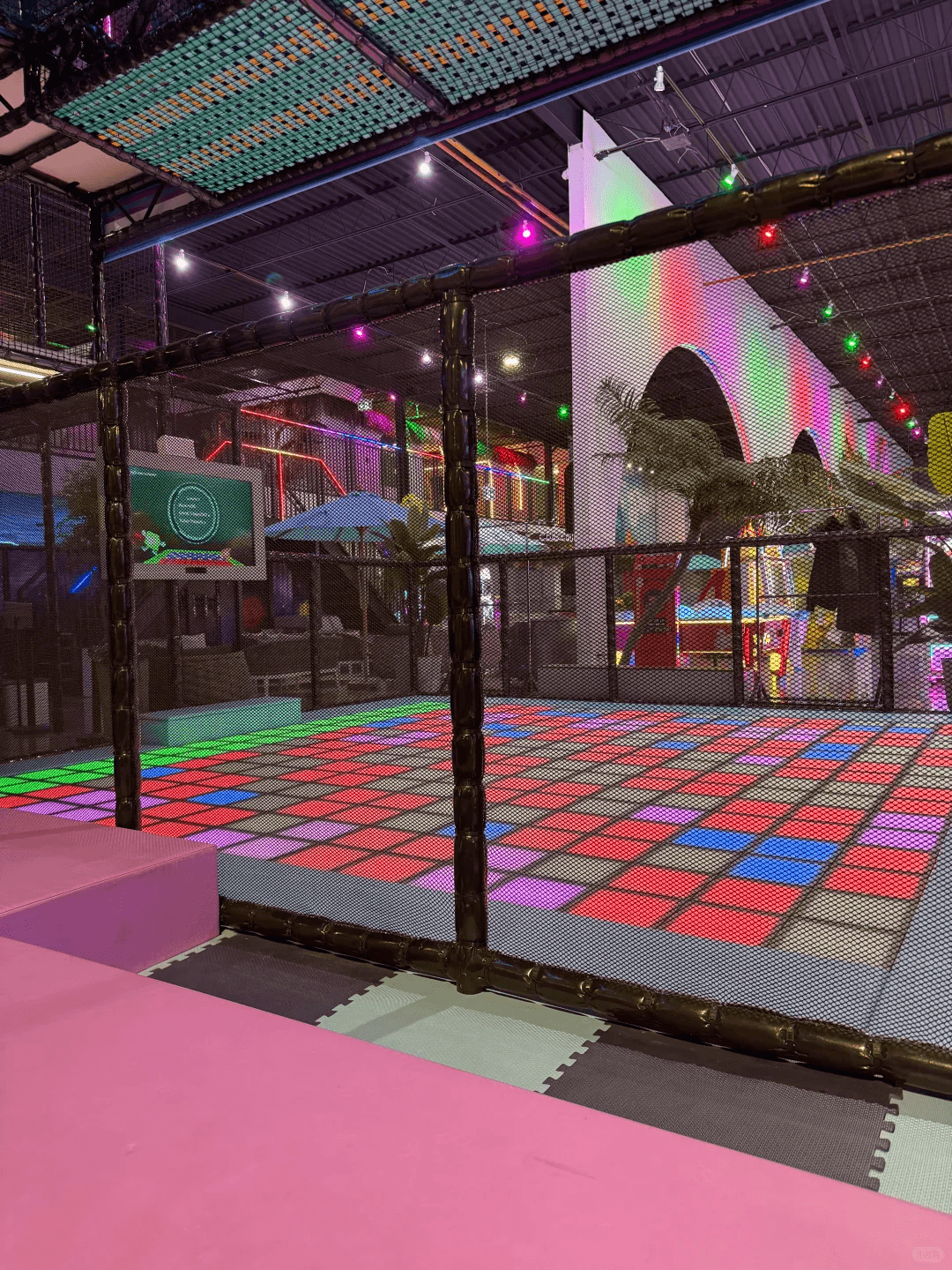
Sets that allow for customization or expansion tend to offer better value. You might start with a basic kit but add components over time based on the child's developmental needs or interests. This approach not only spreads out costs but also keeps sensory play fresh and exciting.
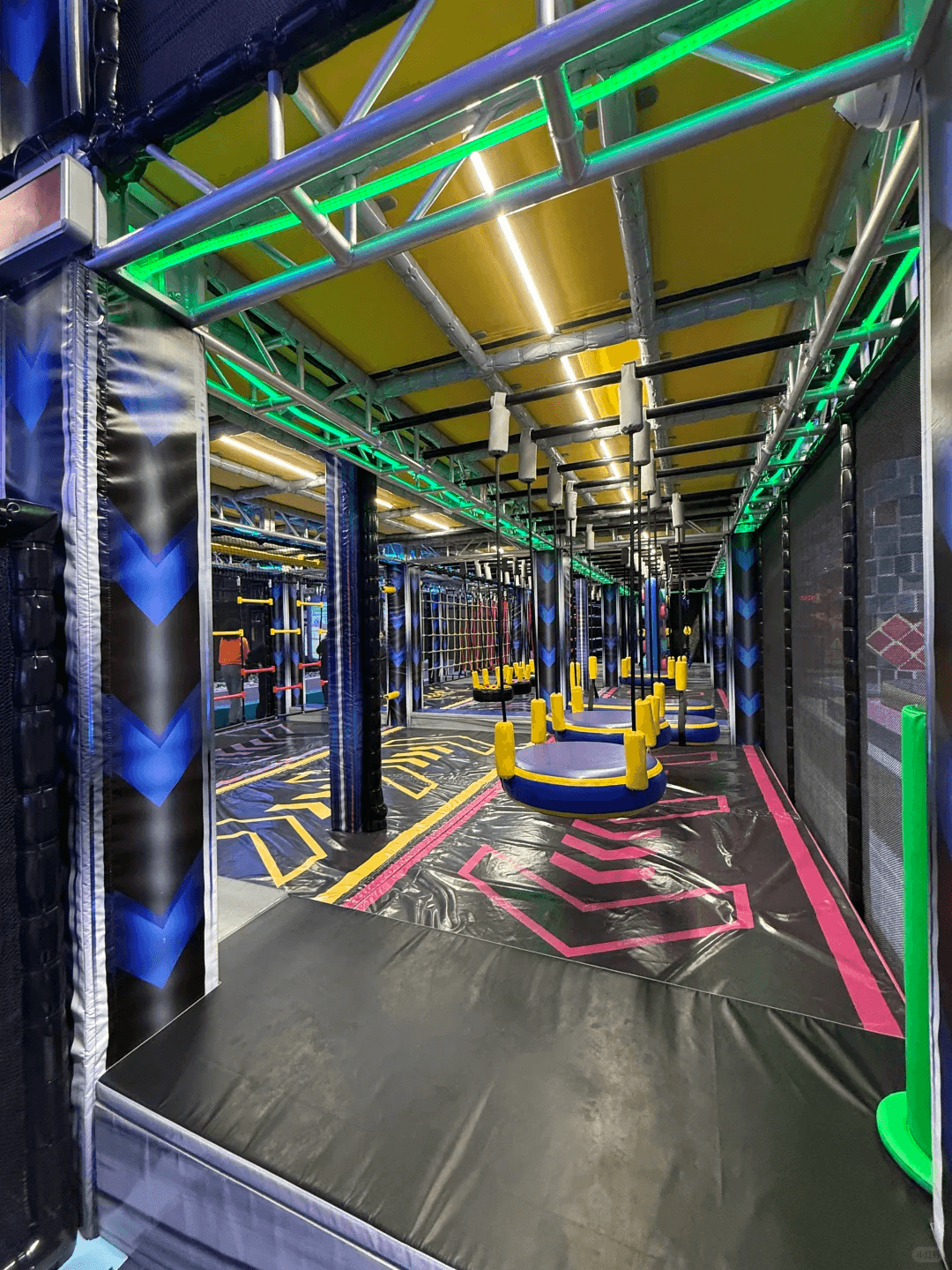
Popular Components in Budget-Friendly Sensory Sets
While there’s a wide range of items available, certain components consistently appear in effective budget-conscious kits:
- Textured Balls and Blocks: These promote fine motor skills and tactile exploration.
- Water Beads and Gel Packs: They offer a unique squishy sensation; however, be cautious with younger children due to choking hazards.
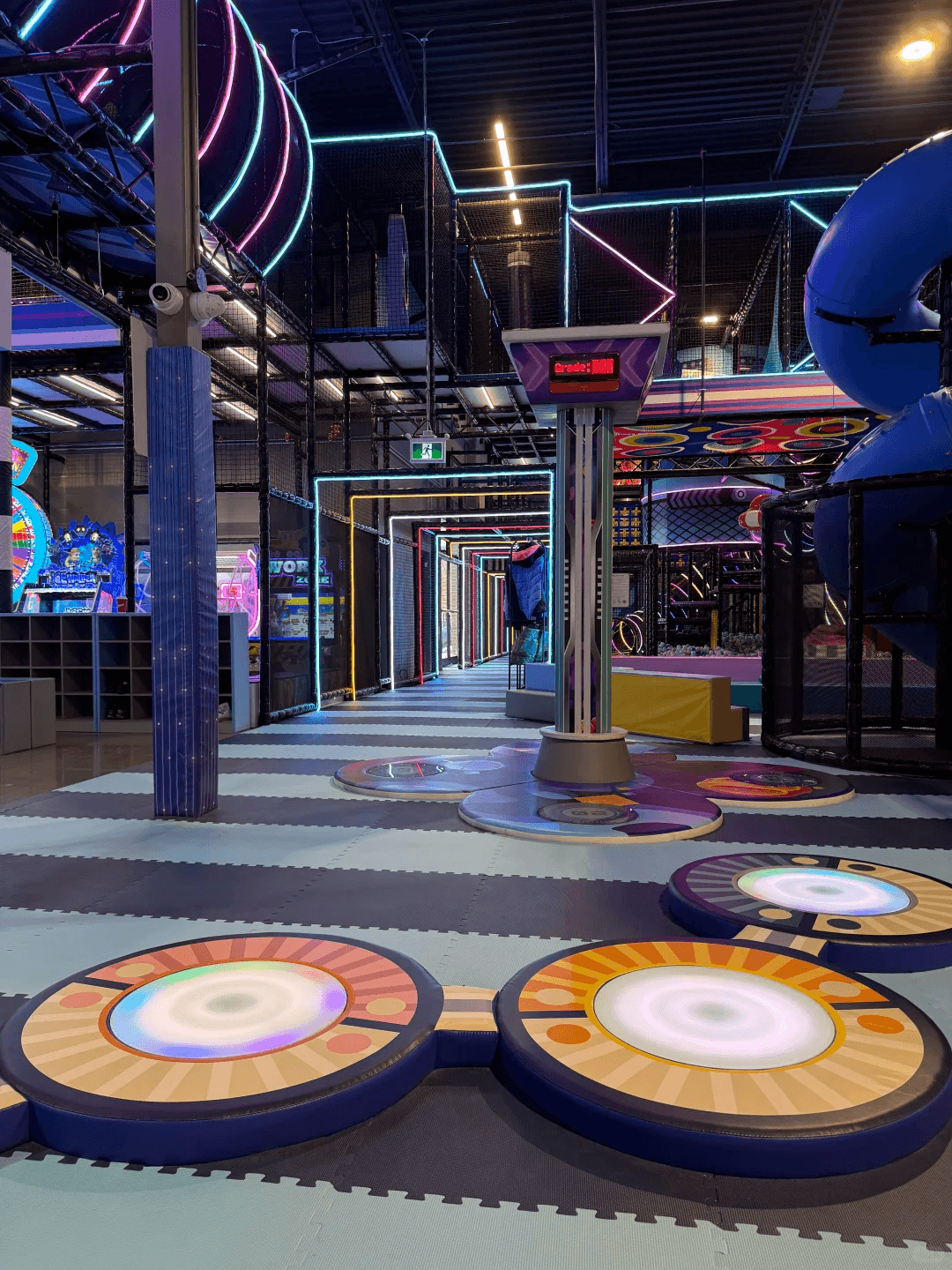
- Colorful Light Panels: Surprisingly affordable nowadays, these panels help develop visual tracking and color recognition abilities.
- Auditory Toys: Simple instruments such as rattles, bells, or shakers can enrich sensory experiences by engaging sound perception.
Why Coolplay Stands Out in the Affordable Segment
Among various brands, Coolplay has carved a niche by balancing cost with quality in sensory equipment. Their sets often feature thoughtfully designed pieces that cater to multiple senses simultaneously—tactile, visual, and auditory. Actually, I’ve noticed they pay special attention to safety standards and eco-friendly materials, which isn’t always the case in budget ranges. This makes them a go-to choice for educators who want reliability without overspending.
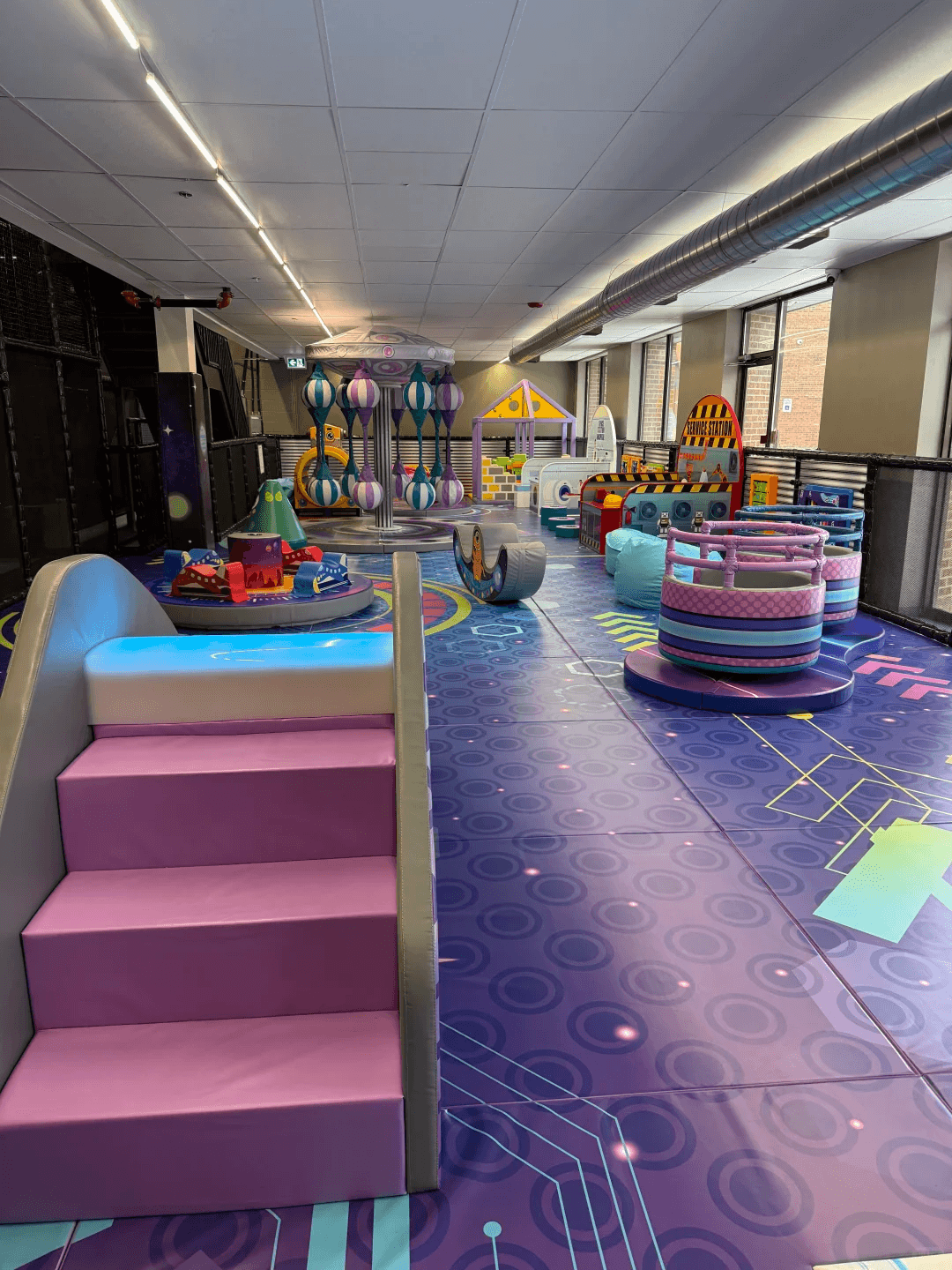
Customization Without Complexity
One thing Coolplay nails is simplicity combined with flexibility. Their kits don’t overwhelm caregivers or children with unnecessary parts but still offer enough variety to build personalized sensory experiences. Plus, the compact storage solutions they provide keep everything tidy, which is a boon in busy classrooms or homes.
Maximizing Use: Tips for Parents and Educators
Having an affordable set is just the beginning. To truly leverage sensory equipment, try these approaches:
- Rotate Equipment: Swap toys in and out regularly to maintain novelty.
- Integrate Themes: Match sensory activities with storybooks or daily lessons to deepen engagement.
- Encourage Exploration: Allow children to use equipment independently as well as in guided sessions.
-
Observe Responses:
Watch how kids react and adapt the kit accordingly; this ensures sensory input remains beneficial rather than overwhelming.
Where to Find Reliable Affordable Sensory Sets
Online marketplaces and specialty educational suppliers both offer competitive pricing, but it pays to read reviews and verify product specs carefully. If possible, purchase from brands known for transparent manufacturing practices—this often correlates with safer and more durable products. Remember, investing a bit more upfront with a trusted brand like Coolplay can save money long-term by avoiding replacements.
DIY Alternatives Can Complement, Not Replace
While DIY sensory tools (e.g., homemade rice bins, fabric strips) are budget-friendly, they shouldn’t completely substitute for structured kits. Premade sets usually undergo thorough testing for safety and functionality, plus they’re designed to specifically target sensory integration goals. Combining both approaches is a smart strategy for stretching resources effectively.